
Casual styling looks effortless — but most people struggle with it more than formal wear.
Over the years working around casualwear development and everyday outfit systems, I’ve noticed a pattern:
It’s rarely about owning the wrong clothes.
It’s about styling them the wrong way.
If your outfits feel “off” even though the pieces are decent, you’re probably making one of the five mistakes below.
This guide breaks them down clearly — and shows you exactly how to fix them.
Table of Contents
- Quick Summary
- Mistake #1: Confusing Casual With Sloppy
- Mistake #2: Ignoring Proportions
- Mistake #3: Overusing Trend Pieces
- Mistake #4: Poor Color Coordination
- Mistake #5: Choosing Comfort Over Structure
- Casual Styling Fix Checklist
- Before vs After Comparison
- FAQ
- Final Thoughts
Quick Summary
Most casual wardrobe problems come from:
- Lack of structure
- Poor fit balance
- Too many statement items
- Weak color combinations
- Soft fabrics without shape
Casual style should feel relaxed — not careless.
Mistake #1: Confusing Casual With Sloppy
Casual does not mean:
- Wrinkled clothing
- Oversized everything
- Thin, stretched-out fabric
- Faded colors
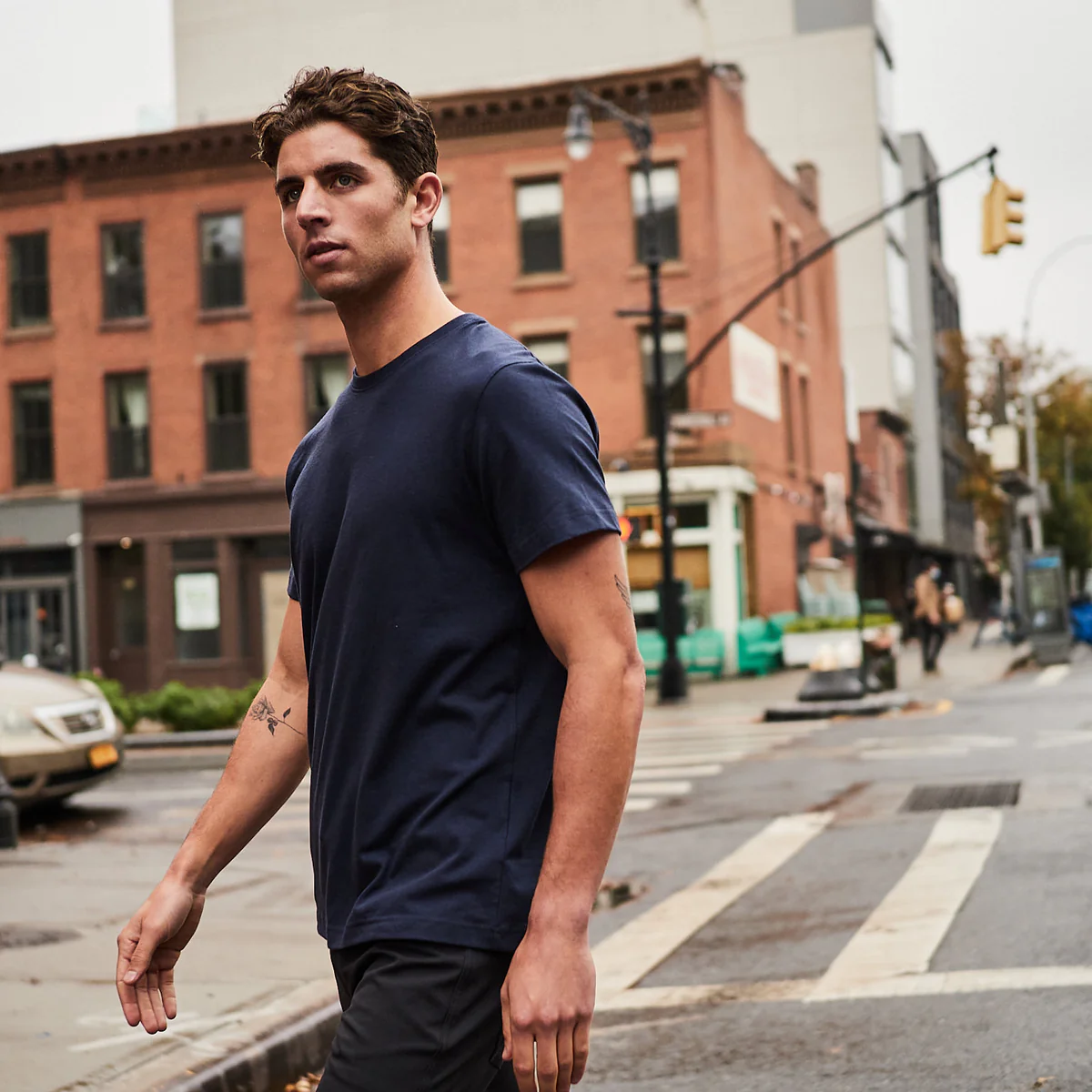
Casual means comfortable and intentional.
How to Fix It
- Choose midweight fabrics (not ultra-thin)
- Iron or steam when necessary
- Avoid worn-out collars and cuffs
- Keep silhouettes clean
Brands that focus on structured everyday basics — rather than trend-driven volume — tend to create more balanced casual pieces. For example, collections like Bless Clothing emphasize shape and durability over fast fashion turnover.
Mistake #2: Ignoring Proportions
This is the most common styling error I see.
Example problems:
- Oversized hoodie + baggy pants
- Slim tee + ultra-skinny jeans
- Long top + long outer layer
When proportions are off, outfits look unbalanced.
Simple Proportion Rule
| Top Fit | Bottom Fit |
|---|---|
| Relaxed | Tapered |
| Fitted | Straight |
| Oversized | Structured |
Balance creates visual harmony.
Mistake #3: Overusing Trend Pieces
Trends are accents — not foundations.
When every piece is bold:
- Statement sneakers
- Graphic hoodie
- Patterned pants
- Bright outerwear
The outfit competes with itself.
Brands like :contentReference[oaicite:0]{index=0} push seasonal trends quickly, but long-term wardrobes rely more on neutral rotation pieces.
Smarter Approach
Use this formula:
- 70% neutral basics
- 20% texture variation
- 10% trend accent
Mistake #4: Poor Color Coordination
Too many colors create chaos.
Too few colors create monotony.
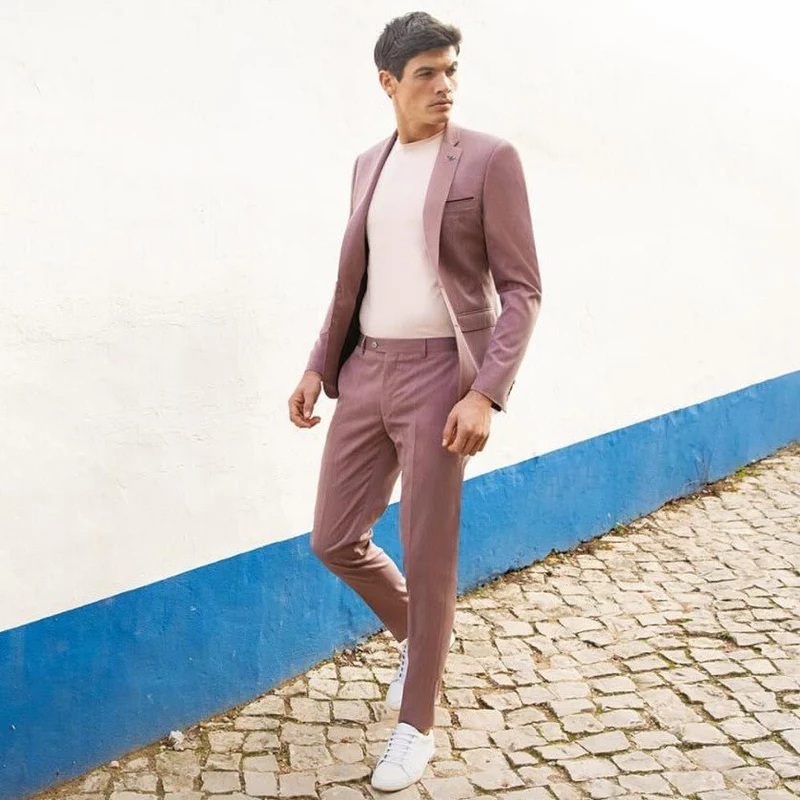
The 3-Color System
- Base color (black, white, grey, navy)
- Secondary tone (olive, beige, brown)
- Optional accent (seasonal)
Brands like :contentReference[oaicite:1]{index=1} consistently use restrained palettes because coordination becomes effortless.
When in doubt, simplify.
Mistake #5: Choosing Comfort Over Structure
Comfort matters — but structure defines style.
Ultra-soft, ultra-thin fabrics:
- Lose shape quickly
- Highlight wrinkles
- Collapse visually
Better option:
- Midweight cotton (180–240 GSM)
- Structured hoodies (300+ GSM)
- Reinforced collars
Comfort should support structure — not replace it.
Casual Styling Fix Checklist
Before leaving the house, check:
✔ Are proportions balanced?
✔ Does the fabric hold its shape?
✔ Are there more than 3 main colors?
✔ Is at least one piece structured?
✔ Does the outfit match the setting?
If you answer “yes” to all — your casual look is likely solid.
Before vs After Comparison
| Styling Error | Result | Improved Version | Result |
|---|---|---|---|
| Oversized everything | Sloppy | Relaxed top + tapered pants | Balanced |
| Thin fabrics | Cheap look | Midweight cotton | Structured |
| Too many trends | Cluttered | Neutral base + 1 accent | Clean |
| Weak collar | Worn look | Reinforced rib | Polished |
Small adjustments create major improvements.
FAQ
Why does my casual outfit look cheap?
Usually due to thin fabric, poor fit balance, or faded colors.
How many colors should a casual outfit have?
Two to three is ideal.
Are oversized outfits still in style?
Yes — but they must be balanced with structure.
Should I follow every trend?
No. Trends are seasonal. Structure is timeless.
Final Thoughts
Casual styling isn’t about buying more clothes.
It’s about:
- Understanding balance
- Respecting proportions
- Choosing better fabrics
- Simplifying color choices
- Prioritizing structure
When you fix these five mistakes, your entire wardrobe works harder — with fewer pieces.
If you're building a rotation of clean, structured everyday essentials, explore modern collections at Bless Clothing designed for long-term wear and balanced silhouettes.