
I get this question a lot: “Is Everlane a luxury brand?”
Short answer—no. After years in apparel manufacturing and brand positioning, I can say Everlane is best described as modern premium basics, not luxury.
Everlane’s strength isn’t exclusivity or heritage. It’s clarity: honest pricing, clean design, and a minimalist lifestyle story that feels elevated without being elite.
This guide gives you a clear, practical answer—so you can decide if Everlane matches your expectations, budget, and brand values.
Table of Contents
- Quick Answer
- What “Luxury” Really Means
- Where Everlane Actually Sits
- Everlane vs True Luxury
- Why Everlane Feels High-End
- Who Should Choose Everlane?
- If You’re Building a Brand: What Everlane Teaches
- FAQ
- Final Verdict
Quick Answer
No—Everlane is not a luxury brand.
It’s best classified as a premium direct-to-consumer basics brand.
- More refined than fast fashion like H&M
- Far more accessible than luxury houses such as Chanel or Prada
- Built on transparency and simplicity, not scarcity
Everlane sells elevated essentials, not luxury status.
What “Luxury” Really Means
In the industry, true luxury brands usually share:
| Luxury Signal | What It Means |
|---|---|
| Scarcity | Limited production and access |
| Price floor | Rarely discounted |
| Craft heritage | Artisanal methods, ateliers |
| Exclusivity | Not mass-available |
| Legacy | Decades of cultural capital |
Think Hermès, Dior, or Gucci.
Everlane was never built on these pillars.
Where Everlane Actually Sits
From a positioning standpoint, Everlane lives in the:
Premium Basics / Ethical DTC Segment
Core traits:
- Direct-to-consumer pricing
- High-volume, standardized production
- Frequent promotions
- Focus on transparency over exclusivity
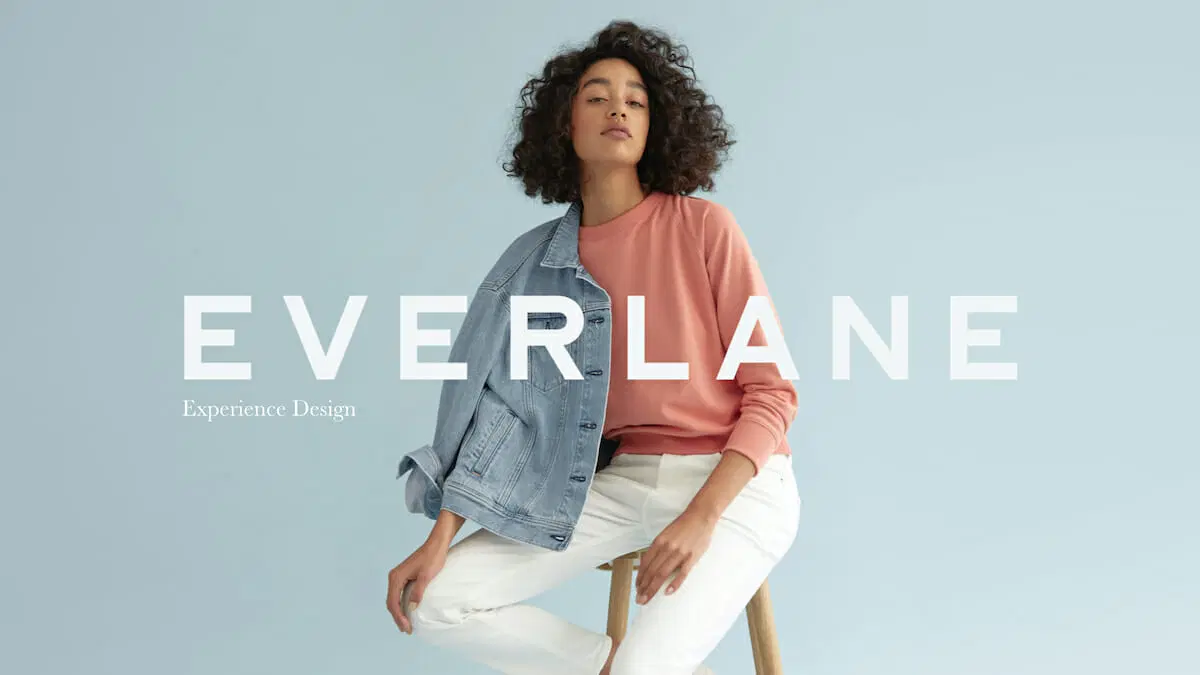
Comparable brands include:
They feel elevated, but they are not luxury.
Everlane vs True Luxury
| Factor | Everlane | Luxury Brands |
|---|---|---|
| T-shirt price | $18–$45 | $300–$800 |
| Sales model | Online DTC | Flagship boutiques |
| Production | Scalable factories | Limited ateliers |
| Discounting | Regular | Rare |
| Core promise | Honest basics | Status + craft |
Everlane sells value and ethics.
Luxury sells scarcity and symbolism.
Why Everlane Feels High-End
Everlane often feels luxury-adjacent because:
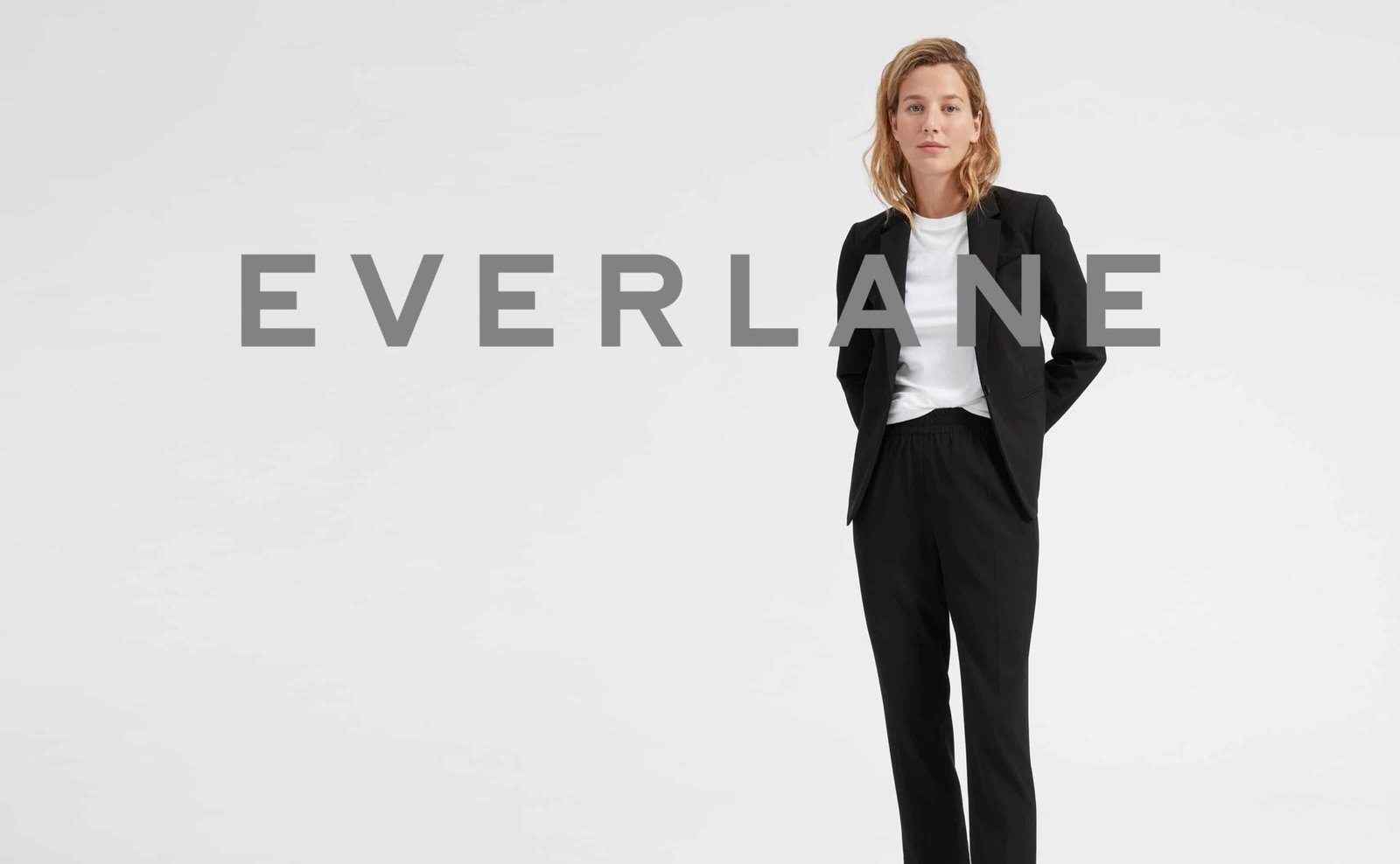
- Minimalist visual identity
- Clean product photography
- Neutral color palettes
- Calm, editorial brand voice
For customers upgrading from mall brands, Everlane feels grown-up.
But in the industry, it remains premium mass-market.
Who Should Choose Everlane?
Choose Everlane if you:
- Want clean, timeless basics
- Care about price transparency
- Prefer minimalist aesthetics
- Need everyday quality without luxury pricing
Avoid Everlane if you:
- Want exclusivity
- Expect artisanal craftsmanship
- Seek statement fashion
- Value resale or heritage
If You’re Building a Brand: What Everlane Teaches
Everlane proves that you don’t need luxury status to feel premium.
Key lessons for founders and private-label brands:
- Story beats complexity
- “Transparency” is a positioning tool
- Premium feel can be systemized
- Basics scale better than trends
Many modern brands now follow this premium-but-accessible model—especially in private label and DTC.
If you’re exploring how emerging brands structure this balance, see:
👉 blessclothing
FAQ
Is Everlane high-end?
It’s upper-mid market, not luxury.
Is Everlane better than Uniqlo?
In materials and storytelling—often yes. In price efficiency—no.
Why does Everlane look “designer”?
Its minimalist design language borrows from luxury aesthetics without luxury costs.
Is Everlane worth it?
Yes, if you value clean basics and transparency.
No, if you want craftsmanship or exclusivity.
Final Verdict
Everlane is not a luxury brand.
It is:
- Clean
- Ethical
- Premium
- Mass-accessible
Its success comes from making good design feel attainable.
That’s not luxury.
That’s smart positioning.