
When people ask me, “Why is Everlane so popular?” my answer is simple:
Everlane didn’t just sell clothes—it sold clarity in a confusing fashion world.
After years working in apparel manufacturing and watching brands rise and fall, I’ve learned that Everlane’s success comes from one powerful idea: make people feel smart about what they wear and what they pay.
This article breaks down—plainly and practically—why Everlane resonates with millions, and whether that popularity actually makes sense for you.
Table of Contents
- The Short Answer
- The Problem Everlane Solved
- 5 Reasons Everlane Took Off
- Everlane vs Other Popular Brands
- Who Everlane Is Perfect For
- What Brands Can Learn from Everlane
- FAQ
- Final Take
The Short Answer
Everlane is popular because it combines:
- Clean, timeless design
- Transparent pricing
- Ethical storytelling
- Direct-to-consumer value
- A calm, minimalist brand voice
It makes customers feel in control—not tricked by markups or trends.
That’s powerful.
The Problem Everlane Solved
Before Everlane, most shoppers faced two bad options:
- Cheap fast fashion like H&M—trendy but disposable
- Expensive designer brands like Prada—beautiful but unreachable
Everlane stepped into the gap and said:
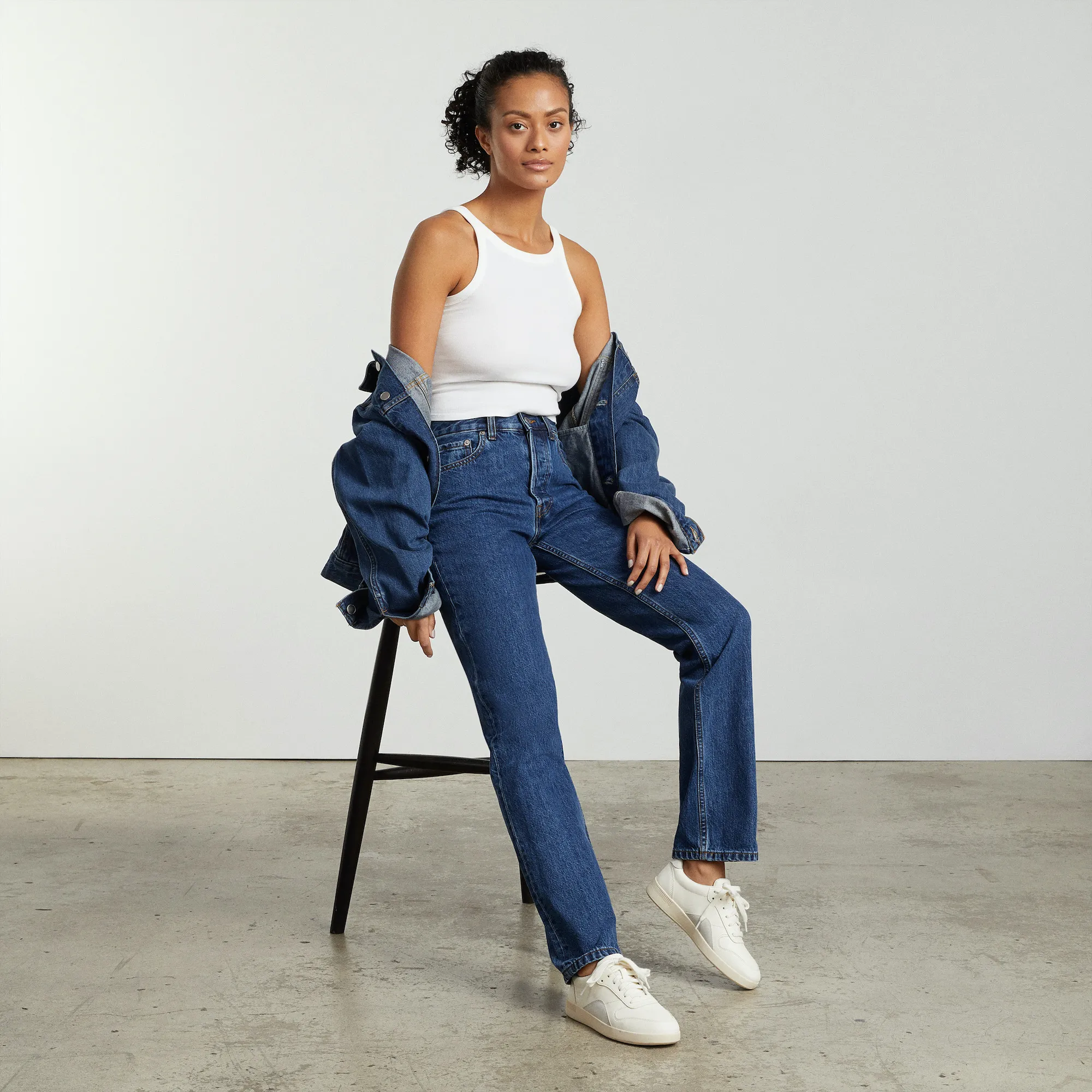
“Here’s a clean T-shirt. Here’s what it costs to make. Here’s why it costs what it costs.”
That honesty felt revolutionary.
5 Reasons Everlane Took Off
1. Radical Transparency
Everlane shows factory locations and cost breakdowns.
People don’t just buy—they believe.
2. Timeless Basics
No loud logos. No trend-chasing.
Just shirts, denim, knits, and coats that feel “safe” to wear every day.
3. DTC Pricing
By skipping middlemen, Everlane prices feel fair:
- $25 tees
- $60 denim
- $120 outerwear
That’s accessible “premium.”
4. Calm Aesthetic
Everlane’s website feels like a design magazine, not a mall rack.
That visual calm builds trust.
5. Values as Identity
Sustainability and ethics aren’t features—they’re identity markers.
Wearing Everlane says:
“I care. I’m thoughtful. I’m modern.”
Everlane vs Other Popular Brands
| Brand | What It Sells | Why People Buy |
|---|---|---|
| Zara | Fast trends | Speed & novelty |
| Uniqlo | Functional basics | Price & utility |
| COS | Minimal fashion | Design-forward style |
| Everlane | Honest essentials | Trust + simplicity |
Everlane doesn’t compete on speed or hype—it wins on emotional comfort.
Who Everlane Is Perfect For
Everlane fits you if:
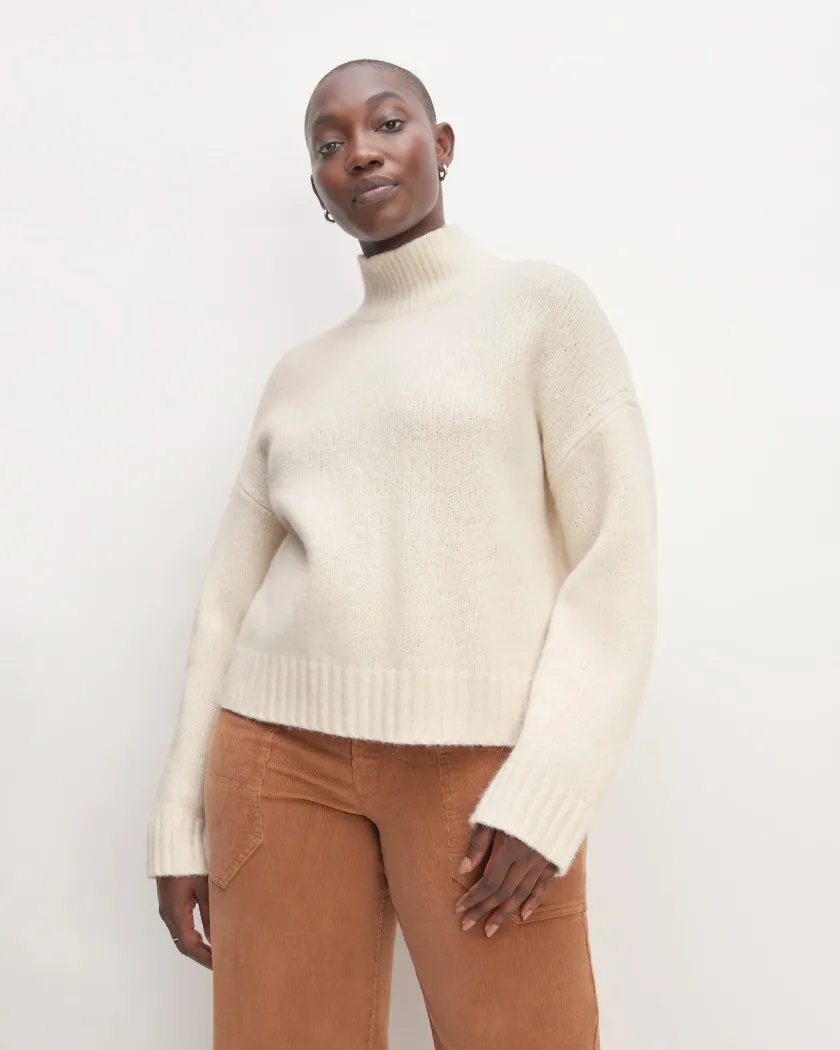
- You like neutral, clean outfits
- You hate loud branding
- You want quality without luxury pricing
- You care where your clothes come from
- You prefer “less but better”
Everlane is not ideal if you:
- Love bold fashion statements
- Want exclusivity
- Follow trends closely
- Buy for resale value
What Brands Can Learn from Everlane
From a manufacturing and brand-building view, Everlane teaches three big lessons:
- Story beats novelty
- Simplicity scales
- Trust converts better than hype
That’s why so many modern private-label brands now aim for the same space:
Premium feel, honest pricing, clean identity.
You can see how emerging brands apply this model here:
👉 blessclothing
FAQ
Is Everlane popular because it’s cheap?
No. It’s popular because people feel the price makes sense.
Is Everlane better than fast fashion?
In quality and values—yes. In trend speed—no.
Does Everlane still matter in 2025?
Yes, because clarity and trust are timeless.
Is Everlane a “smart buy”?
If you want long-wearing basics—absolutely.
Final Take
Everlane is popular because it makes people feel:
- Informed
- Calm
- Responsible
- Stylish without trying
It doesn’t shout.
It reassures.
In a noisy fashion world, that’s exactly what many people want.