I’m often asked, “Does Anthropologie own Free People?”
The short answer is no—but they are closely connected.
After years in apparel manufacturing and brand analysis, I’ve learned that many fashion brands appear separate on the surface while actually living under the same corporate umbrella. Free People and Anthropologie are a perfect example of this.
Let’s clear the confusion in plain English and help you understand how these brands really relate.
Table of Contents
- Quick Answer
- Who Actually Owns Free People?
- How Anthropologie and Free People Are Related
- Brand Positioning Compared
- Why This Confusion Exists
- What This Means for Shoppers
- What Brands Can Learn
- FAQ
- Final Answer
Quick Answer
No, Anthropologie does not own Free People.
Both brands are sister brands owned by the same parent company:
URBN (formerly Urban Outfitters, Inc.)
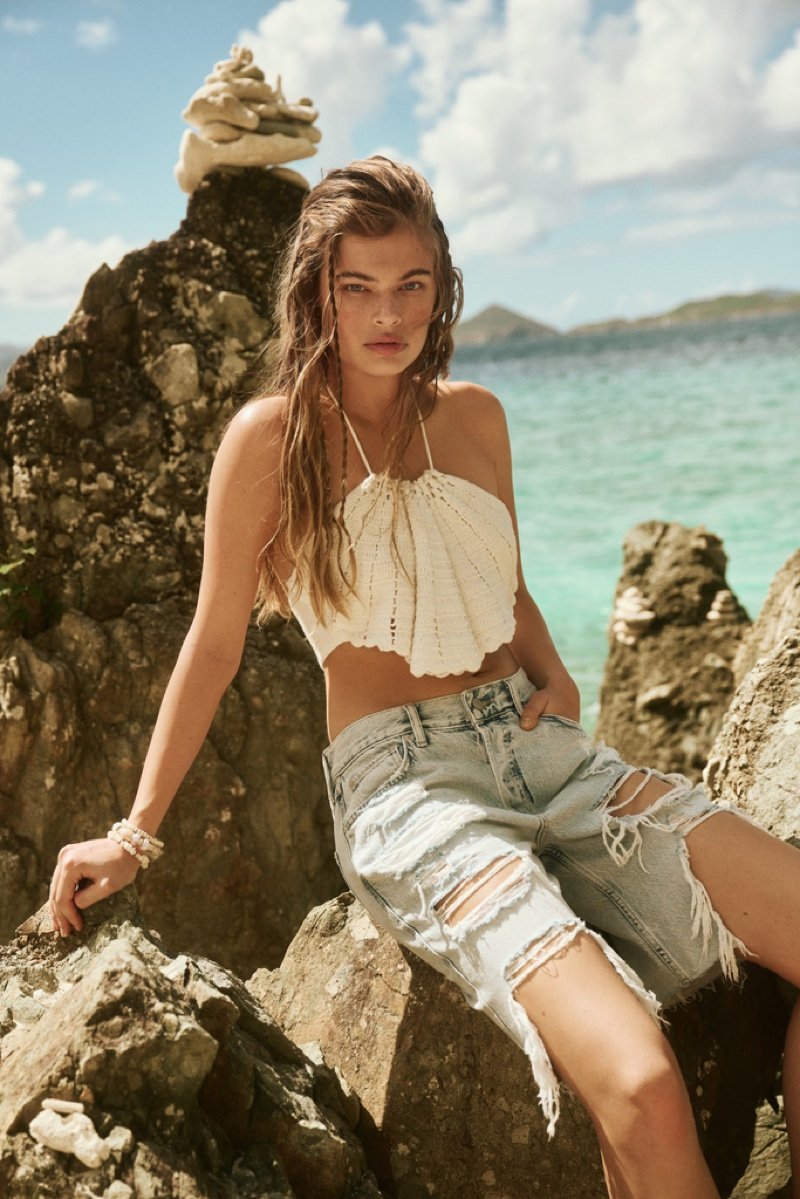
URBN owns:
- Anthropologie
- Free People
- Urban Outfitters
- FP Movement (activewear)
So Anthropologie and Free People are siblings, not parent and child.
Who Actually Owns Free People?
Free People is owned and operated by URBN, a publicly traded U.S. retail group.
URBN’s structure looks like this:
| Parent Company | Brand |
|---|---|
| URBN | Urban Outfitters |
| URBN | Anthropologie |
| URBN | Free People |
| URBN | FP Movement |
Each brand has its own design teams, marketing voice, and customer base, even though they share corporate resources.
How Anthropologie and Free People Are Related
Think of Anthropologie and Free People like two siblings raised in the same house:
- Same corporate funding
- Shared logistics and infrastructure
- Separate creative direction
- Different customer identities
Anthropologie leans:
- Artistic
- Home + lifestyle
- Curated and mature
Free People leans:
- Bohemian
- Youthful
- Emotion-driven
- Freedom-focused
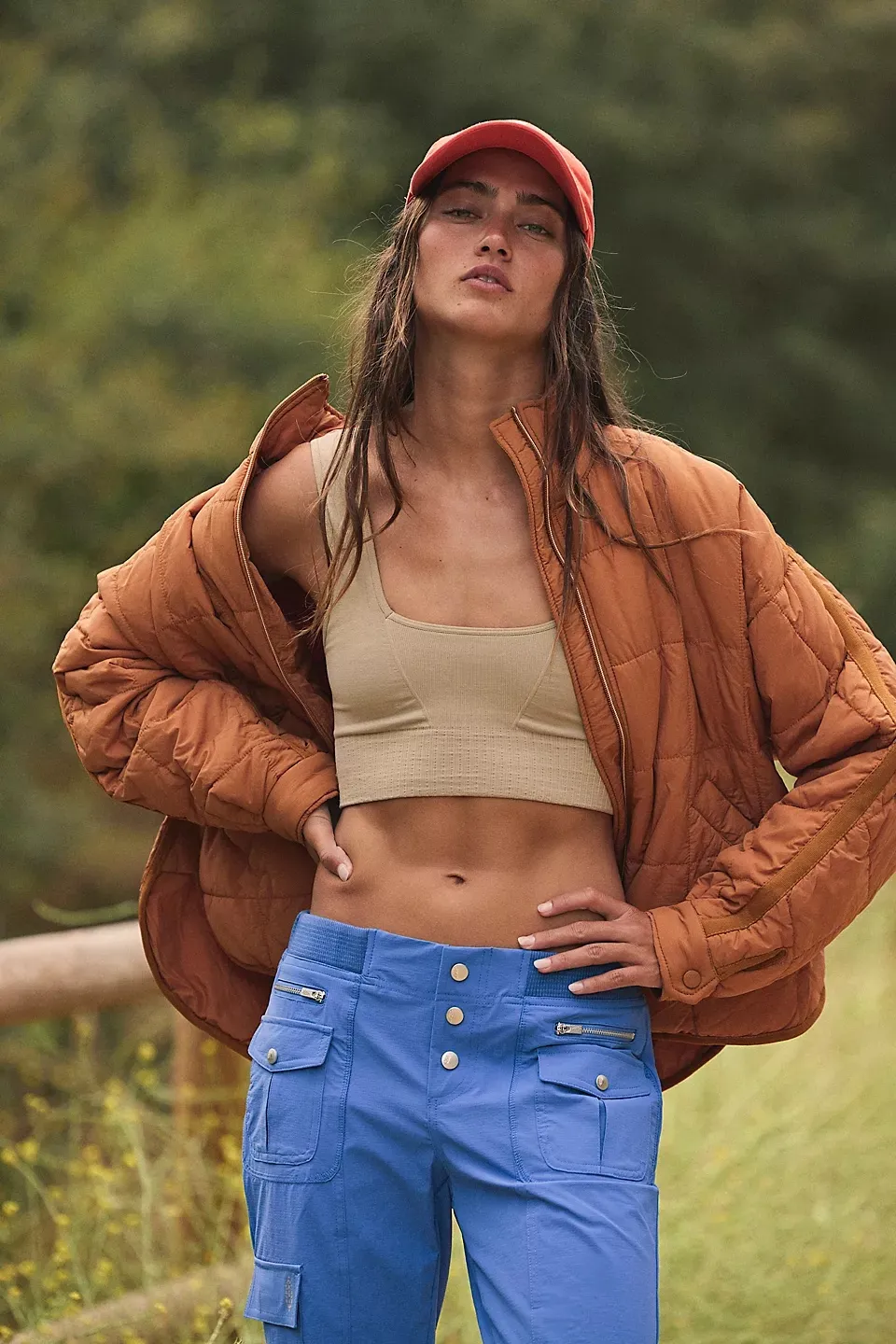
They feel different because they are designed to be different.
Brand Positioning Compared
| Brand | Core Vibe | Target Customer |
|---|---|---|
| Anthropologie | Curated, artistic lifestyle | Creative, home-focused adult |
| Free People | Boho freedom | Expressive, style-led youth |
| Urban Outfitters | Pop culture & trend | Gen Z & trend seekers |
URBN doesn’t build clones—it builds distinct identities under one system.
Why This Confusion Exists
People often think Anthropologie owns Free People because:
- They appear in the same malls
- They share similar “artistic” DNA
- They cross-reference each other online
- They feel more “boutique” than corporate
But behind the scenes, they are equals—not hierarchy.
What This Means for Shoppers
For customers, this relationship means:
- Consistent quality standards
- Reliable supply chains
- Stable pricing logic
- Shared ethical frameworks
But creatively, each brand still speaks its own language.
You’re not buying “the same clothes in different colors.”
You’re buying into different emotional worlds.
What Brands Can Learn
From a manufacturing and brand-building view, URBN’s model is powerful:
- One infrastructure
- Multiple identities
- Clear audience separation
- Scalable creativity
This is why many modern private-label groups now build brand families instead of single labels.
You can see how emerging brands structure this approach here:
👉 blessclothing
FAQ
Is Free People part of Anthropologie?
No. Both are owned by URBN.
Are the products made in the same factories?
Often yes, but designs and specs differ by brand.
Why do they feel similar sometimes?
They share a creative culture but target different lifestyles.
Which is more expensive?
Anthropologie generally prices higher than Free People.
Final Answer
Anthropologie does not own Free People.
They are:
- Separate brands
- With separate identities
- Under the same parent company: URBN
They don’t compete.
They complement.