
I’ve sourced basics for brands and bought my fair share of Everlane pieces over the years. When people ask, “Why is Everlane so cheap compared to other ‘ethical’ brands?” they’re usually surprised by how accessible the prices feel.
Here’s the short, honest answer:
Everlane isn’t “cheap” because quality is low—it’s cheaper because the brand is built to cut out traditional retail markups and focus on simple, high-volume essentials.
That business model explains most of the price difference you see.
Below is a plain-English breakdown of why Everlane can price lower than many comparable brands—and when that does (and doesn’t) matter to you.
Table of Contents
- Quick Answer
- How Everlane Keeps Prices Lower
- Is Everlane Actually Cheap? Price vs Value
- Everlane vs Traditional Retail Brands
- What You’re Trading Off at Lower Prices
- Who Everlane Is Best For
- FAQ
- Final Verdict
Quick Answer
Everlane feels “cheap” because it removes middlemen, sells direct-to-consumer, and focuses on a tight range of basics.
Lower prices come from:
- No department-store markups
- High-volume production of core items
- Simple designs (less development cost)
- Lean retail footprint
How Everlane Keeps Prices Lower
1. Direct-to-Consumer Model
Everlane sells mainly through its own website and a small number of stores. Cutting wholesalers and department stores removes big retail markups.
2. Focus on Core Basics
Everlane produces:
- T-shirts
- Denim
- Simple knits
- Clean silhouettes
Basics scale well, which lowers per-unit costs.
3. Volume-Based Manufacturing
High repeat styles mean factories can run longer production cycles, improving efficiency.
4. Lean Marketing
Everlane invests less in flashy campaigns than fashion brands that chase trends. That saves overhead.
Is Everlane Actually Cheap? Price vs Value
“Cheap” is relative. Everlane usually sits in the mid-range:
| Brand Type | Typical Tee Price | Position |
|---|---|---|
| Mass market (Hanes) | Low | Budget |
| Everlane | Mid | Value basics |
| Premium basics (Buck Mason) | Higher | Premium |
| Luxury | High | Designer |
So Everlane is cheaper than “premium basics,” but not bargain-basement.
Everlane vs Traditional Retail Brands
| Factor | Everlane | Traditional Retail Brands |
|---|---|---|
| Distribution | DTC | Wholesale + retail |
| Markups | Lower | Higher |
| Design cycles | Simple, slow | Trend-driven |
| Pricing | Transparent | Layered markups |
Everlane’s pricing advantage is structural, not magical.
What You’re Trading Off at Lower Prices
Lower prices often mean:
- Fewer fabric options
- Less experimental design
- More standardized fits
- Fewer seasonal collections
That’s fine if you want reliable basics—less ideal if you want standout fashion.
Who Everlane Is Best For
Everlane makes sense if you:
- Want clean, minimalist basics
- Care about price-to-quality balance
- Don’t need luxury fabrics
- Prefer timeless pieces over trends
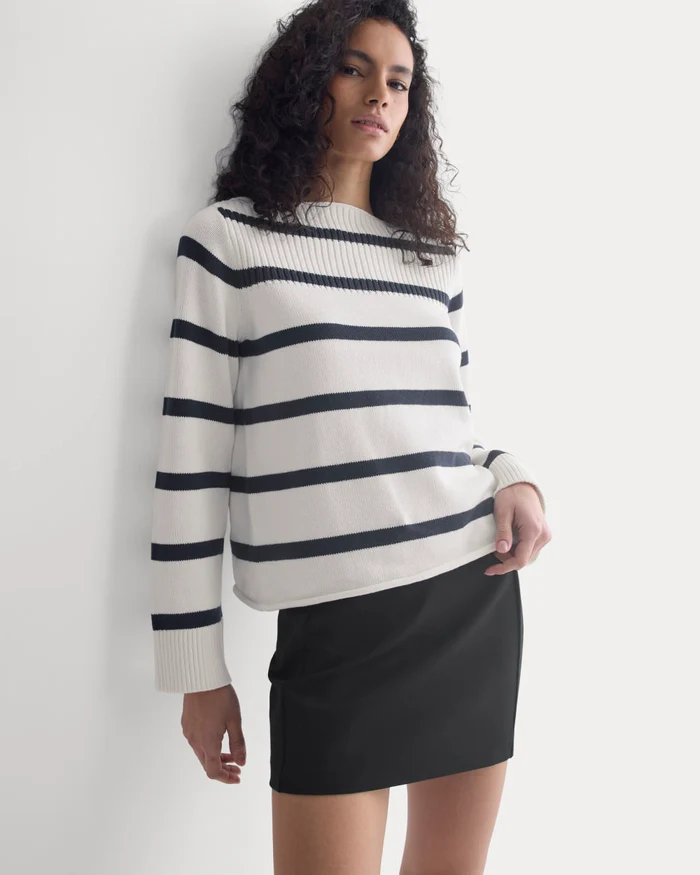
If you want premium feel and heavier fabrics, brands like Buck Mason may feel more satisfying.
FAQ
Is Everlane low quality because it’s cheap?
No. It’s positioned as value-focused, not luxury.
Why is Everlane cheaper than some “ethical” brands?
Because many ethical brands still sell through retail, adding markup layers.
Does Everlane compromise on materials?
Materials are mid-range—not luxury, not bargain-basement.
Final Verdict
Everlane isn’t cheap because it cuts corners—it’s cheaper because its business model cuts markups.
If you want clean, everyday basics at a fair price, Everlane’s pricing makes sense.
If you want heavier fabrics or premium construction, you’ll usually pay more elsewhere.
For brands researching how DTC pricing models affect apparel costs and margins, see:
👉 blessclothing