
If you’re planning to launch a clothing brand, one of the first things you need to understand is how clothing production actually works.
Many new founders assume that once a design is ready, factories can immediately produce garments. In reality, casual clothing production involves multiple steps — from design development to sampling, bulk manufacturing, and quality inspection.
From my experience working around apparel production and casualwear manufacturing, brands that understand the entire production process make better decisions about product development, timelines, and costs.
In this guide, I’ll walk through the complete casual clothing production process, explain what happens at each stage, and share practical insights for clothing brands.
Table of Contents
- Quick Overview
- Step 1: Product Concept and Design
- Step 2: Tech Pack Development
- Step 3: Fabric Sourcing and Material Selection
- Step 4: Pattern Making and Size Development
- Step 5: Sampling and Prototype Testing
- Step 6: Bulk Production Preparation
- Step 7: Mass Production
- Step 8: Quality Control and Inspection
- Step 9: Packaging and Shipping
- Common Production Challenges
- FAQ
- Final Thoughts
Quick Overview
The casual clothing production process typically includes the following steps:
| Stage | Purpose |
|---|---|
| Design | Define the garment concept |
| Tech pack | Document production specifications |
| Fabric sourcing | Select materials |
| Pattern making | Develop garment structure |
| Sampling | Test design and quality |
| Production planning | Prepare for manufacturing |
| Bulk production | Manufacture garments |
| Quality inspection | Ensure consistent quality |
| Shipping | Deliver products to the brand |
Each stage ensures that the final product meets quality standards and brand expectations.
Step 1: Product Concept and Design
Every clothing product begins with an idea.
At this stage, brands define:
- garment style
- target customer
- fabric preferences
- branding elements
Casual clothing brands usually start with core items such as:
- T-shirts
- hoodies
- sweatshirts
- joggers
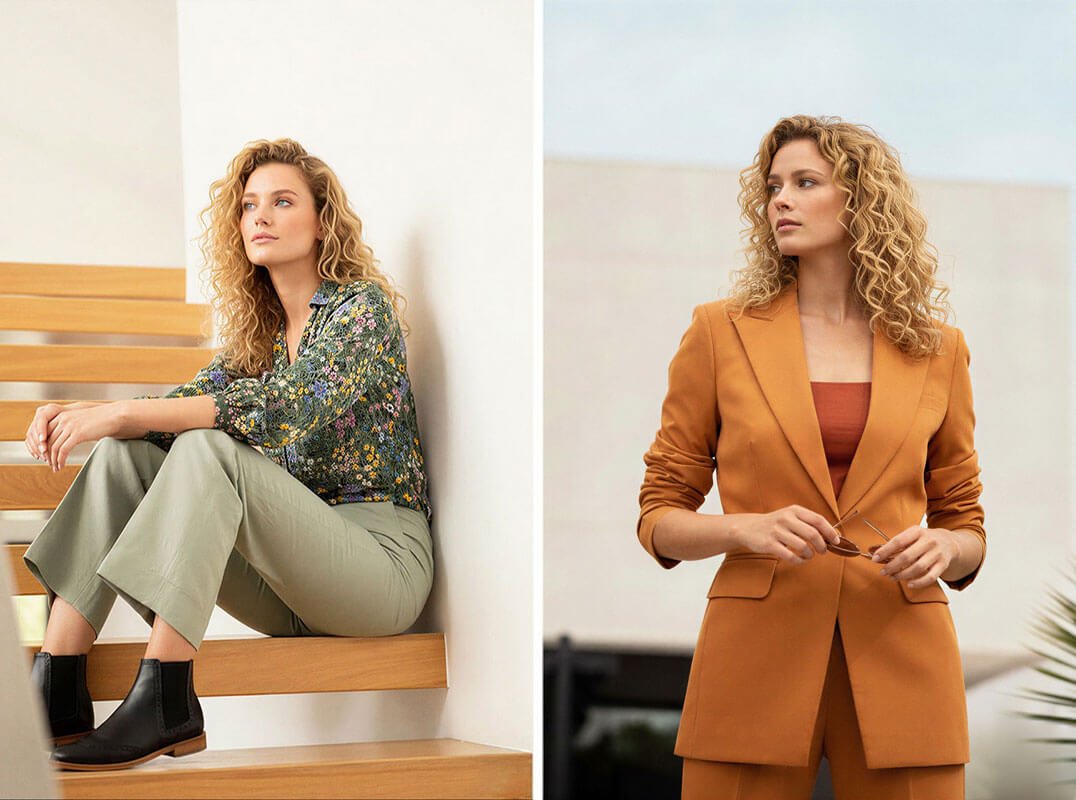
Many successful brands build their identity around a small number of signature products before expanding their collections.
Step 2: Tech Pack Development
A tech pack is a detailed document that explains exactly how the garment should be produced.
Typical tech pack elements include:
- measurements and sizing charts
- fabric specifications
- stitching details
- logo placement
- label and trim information
Tech packs allow manufacturers to understand the design clearly and reduce production errors.
Step 3: Fabric Sourcing and Material Selection
Fabric selection plays a major role in product quality and comfort.
Manufacturers usually help brands source materials based on:
- durability
- softness
- breathability
- cost
Common casualwear fabrics include:
| Fabric | Characteristics |
|---|---|
| Cotton | breathable and comfortable |
| Cotton-poly blend | durable and wrinkle resistant |
| French terry | lightweight sweatshirt fabric |
| Fleece | warm and soft |
Manufacturers like Bless Clothing help clothing brands source suitable fabrics for custom casualwear production.
Step 4: Pattern Making and Size Development
Pattern making transforms a design concept into a technical garment structure.
Pattern makers create templates for:
- garment panels
- sleeve construction
- collar shapes
- pocket placement
These patterns ensure garments fit properly across multiple sizes.
Accurate patterns are critical for maintaining consistent fit during mass production.
Step 5: Sampling and Prototype Testing
Before bulk production begins, manufacturers create sample garments.
Samples allow brands to evaluate:
- garment fit
- fabric quality
- stitching accuracy
- logo placement
- overall design appearance
Most clothing products require 1–3 sample revisions before approval.
Skipping the sampling stage is one of the biggest mistakes new clothing brands make.
Step 6: Bulk Production Preparation
Once the sample is approved, the factory prepares for large-scale production.
Preparation typically includes:
- finalizing fabric orders
- scheduling production lines
- confirming production quantities
- preparing cutting patterns

This stage ensures production runs smoothly without delays.
Step 7: Mass Production
During bulk production, factories manufacture garments in larger quantities.
Typical production activities include:
| Process | Description |
|---|---|
| Fabric cutting | fabric panels prepared |
| Sewing | garment pieces assembled |
| Printing or embroidery | logos and graphics added |
| finishing | trimming and ironing |
Large manufacturers often use assembly-line production systems to increase efficiency.
Step 8: Quality Control and Inspection
Quality control is critical for maintaining consistent product standards.
Factories usually perform several inspections:
| Inspection Stage | Purpose |
|---|---|
| Fabric inspection | check material quality |
| Inline inspection | monitor production process |
| Final inspection | evaluate finished garments |
Strong quality control systems help prevent defective products from reaching customers.
Step 9: Packaging and Shipping
After production and inspection, garments move to the packaging stage.
Packaging may include:
- polybags
- branded labels
- hang tags
- cartons for shipping
Once packaged, products are shipped to:
- brand warehouses
- distribution centers
- e-commerce fulfillment centers
Reliable manufacturers often assist brands with logistics planning.
Common Production Challenges
Even experienced brands face challenges during clothing production.
Production Delays
Fabric sourcing or manufacturing schedules may cause delays.
Quality Inconsistencies
Poor quality control can lead to inconsistent garments.
Communication Issues
Miscommunication between brands and factories can result in production errors.
Working with experienced production partners reduces these risks.
For example, manufacturers such as Bless Clothing provide structured production systems that support consistent casualwear manufacturing.
FAQ
How long does clothing production take?
Production usually takes 3–6 weeks after the final sample is approved.
What is the minimum order quantity for clothing manufacturing?
Most casualwear manufacturers require 50–200 pieces per style.
Do manufacturers help with product development?
Yes. Many factories support brands with fabric sourcing, pattern making, and sampling.
Can new clothing brands work with manufacturers?
Yes. Many manufacturers offer flexible MOQs to support startup clothing brands.
Final Thoughts
Understanding the casual clothing production process helps brands make smarter decisions about product development and manufacturing timelines.
From design to shipping, each stage plays a crucial role in creating high-quality garments.
Working with experienced manufacturers allows brands to:
- develop better products
- manage production efficiently
- scale their clothing business
If you’re exploring custom casualwear production, you can learn more about manufacturing solutions at Bless Clothing.
The right production partner can help transform your clothing brand ideas into high-quality products ready for the market.