
If you’ve ever shopped at UNIQLO, you’ve probably wondered:
Why is UNIQLO so inexpensive compared to other clothing brands?
The short answer is:
UNIQLO keeps prices low through efficient production, simple design, and a highly controlled supply chain—not by sacrificing all quality.
From my experience in apparel manufacturing, pricing is not just about materials—it’s about how a brand designs, produces, and distributes its products at scale.
In this guide, I’ll break down exactly why UNIQLO can offer affordable prices, what trade-offs exist, and whether it’s truly good value.
Table of Contents
- Quick Answer
- How UNIQLO Keeps Prices Low
- Supply Chain Efficiency Explained
- Design Strategy: Simplicity Saves Cost
- Fabric Technology vs Cost
- UNIQLO vs Other Brands: Cost Comparison
- Is UNIQLO Cheap or Good Value?
- FAQ
- Conclusion
Quick Answer
UNIQLO is inexpensive because of efficient production, simple designs, and large-scale manufacturing.
| Factor | Impact |
|---|---|
| Mass production | Lower cost per unit |
| Simple designs | Reduced development cost |
| Supply chain control | Higher efficiency |
Official site:
UNIQLO
How UNIQLO Keeps Prices Low
UNIQLO follows a very specific cost strategy.
Core Cost Drivers
| Strategy | Explanation |
|---|---|
| High volume production | Reduces per-unit cost |
| Limited styles | Focus on core products |
| Long product cycles | Less waste |
Unlike fast fashion brands, UNIQLO doesn’t release thousands of new designs every week.
Supply Chain Efficiency Explained
UNIQLO’s biggest advantage is its supply chain.
Key Features
- centralized production control
- long-term factory partnerships
- optimized logistics
This allows UNIQLO to reduce waste and maintain stable pricing.
From my experience, supply chain efficiency is one of the biggest reasons brands can lower costs without completely sacrificing quality.
Design Strategy: Simplicity Saves Cost
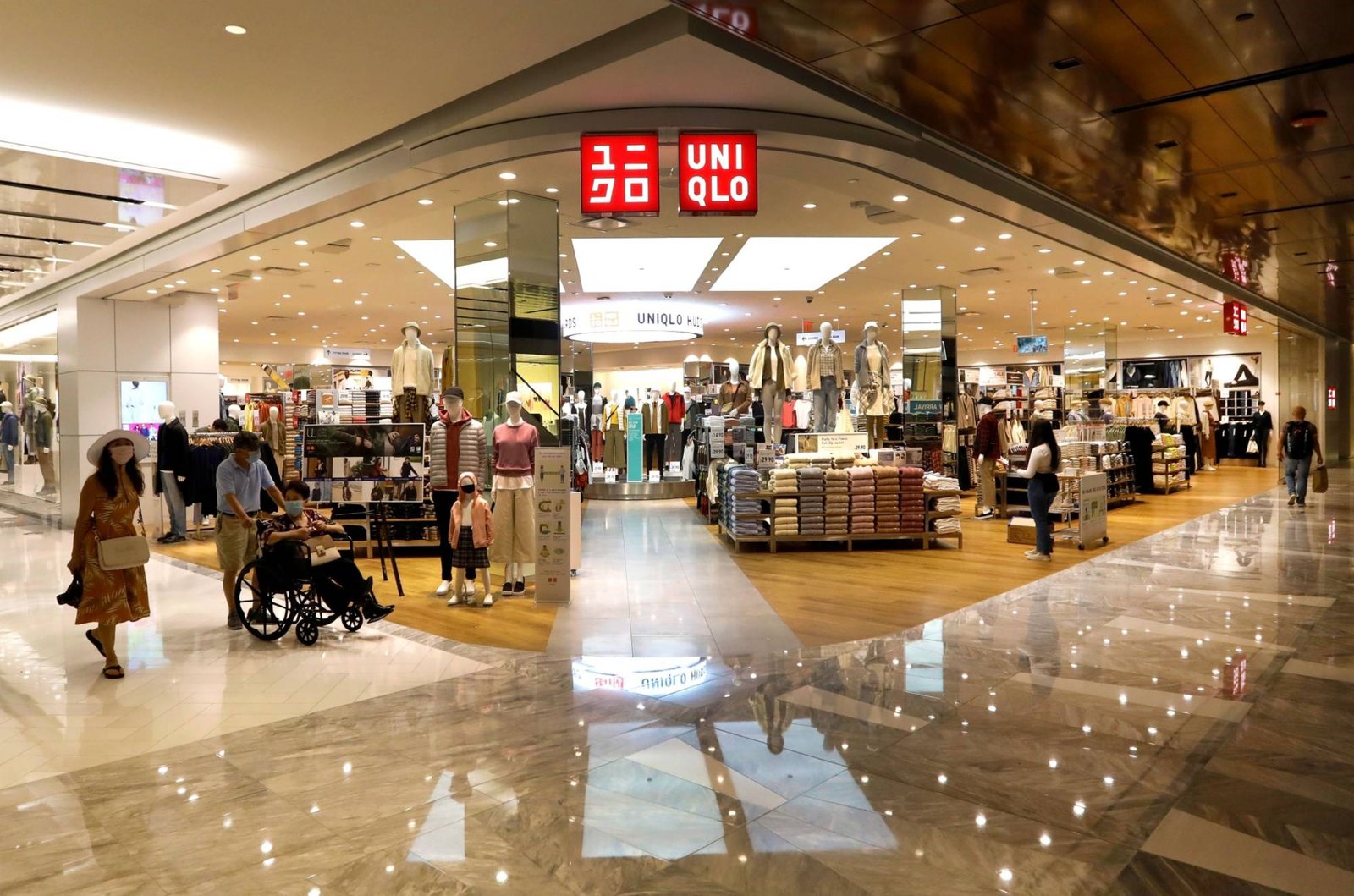
UNIQLO focuses on minimalist clothing, which directly reduces costs.
Why Simplicity Matters
| Factor | Cost Impact |
|---|---|
| Fewer details | Lower production cost |
| Standardized patterns | Faster manufacturing |
| Basic colors | Easier sourcing |
This is very different from brands like Zara, which invest heavily in trend-driven design.
Fabric Technology vs Cost
UNIQLO invests in fabric innovation—but still keeps costs controlled.
Examples
- HeatTech
- AIRism
- Ultra Light Down
These technologies are produced at scale, which spreads the cost across millions of units.
👉 This is why UNIQLO can offer technical fabrics at relatively low prices.
UNIQLO vs Other Brands: Cost Comparison
Here’s how UNIQLO compares to similar brands.
Price Positioning
| Brand | Price Level |
|---|---|
| H&M | Low |
| UNIQLO | Low–mid |
| Zara | Mid |
Cost Strategy Comparison
| Brand | Strategy |
|---|---|
| UNIQLO | Efficiency + basics |
| H&M | Mass production |
| Zara | Trend-driven |
UNIQLO focuses more on efficiency, not just volume or trends.
Is UNIQLO Cheap or Good Value?
Low price doesn’t always mean low value.
Value Breakdown
| Factor | UNIQLO |
|---|---|
| Price | Affordable |
| Quality | Consistent |
| Durability | Moderate–high |
👉 From my perspective, UNIQLO offers strong value for everyday clothing.
FAQ
Why is UNIQLO cheaper than other brands?
Because of efficient production and simple designs.
Is UNIQLO low quality?
No. It offers consistent mid-level quality.
How does UNIQLO keep costs low?
Through supply chain control and large-scale production.
Is UNIQLO better value than Zara?
For basics, yes. For fashion trends, not always.
Conclusion
UNIQLO is inexpensive not because it cuts all corners—but because it optimizes efficiency, simplifies design, and produces at scale.
This allows the brand to deliver affordable, reliable clothing without fully sacrificing quality.
Understanding how brands manage cost gives you a better perspective—not just as a consumer, but also if you’re building your own clothing brand.
If you want to learn how clothing brands control costs, develop products, and manage manufacturing, you can explore more insights here:
blessclothing