
You may have heard people say:
“UNIQLO failed in the US.”
But is that actually true?
The short answer is:
UNIQLO didn’t completely fail in the US—but it struggled early due to positioning, branding, and market adaptation challenges.
From my experience working with global apparel production and brand strategy, entering the US market is extremely difficult—even for strong international brands. UNIQLO’s case is a perfect example of how product quality alone is not enough to guarantee success.
In this guide, I’ll break down why UNIQLO struggled in the US, what went wrong, and what brands can learn from it.
Table of Contents
- Quick Answer
- Did UNIQLO Actually Fail in the US?
- Early Expansion Challenges
- Brand Positioning Problem
- Product-Market Mismatch
- Retail Strategy Issues
- How UNIQLO Adapted
- Lessons for Clothing Brands
- FAQ
- Conclusion
Quick Answer
UNIQLO did not completely fail in the US—but it struggled initially due to poor positioning and market fit.
Official site:
UNIQLO
Did UNIQLO Actually Fail in the US?
Let’s clarify the reality.
Key Points
- UNIQLO still operates stores in the US
- brand awareness has improved over time
- early expansion faced significant challenges
👉 So it’s more accurate to say:
UNIQLO had a difficult start in the US—not a complete failure.
Early Expansion Challenges
UNIQLO entered the US market with high expectations.
What Went Wrong Early
| Issue | Explanation |
|---|---|
| Overexpansion | Opened stores too quickly |
| Location choices | Not always ideal |
| Low awareness | Brand unfamiliar to US consumers |
From my perspective, expanding too fast without strong brand recognition created early pressure.
Brand Positioning Problem
One of the biggest issues was unclear positioning.
The Challenge
| Market | Expectation |
|---|---|
| US consumers | Clear brand identity |
| UNIQLO | Minimalist basics |
UNIQLO’s “LifeWear” concept was not immediately understood in the US.
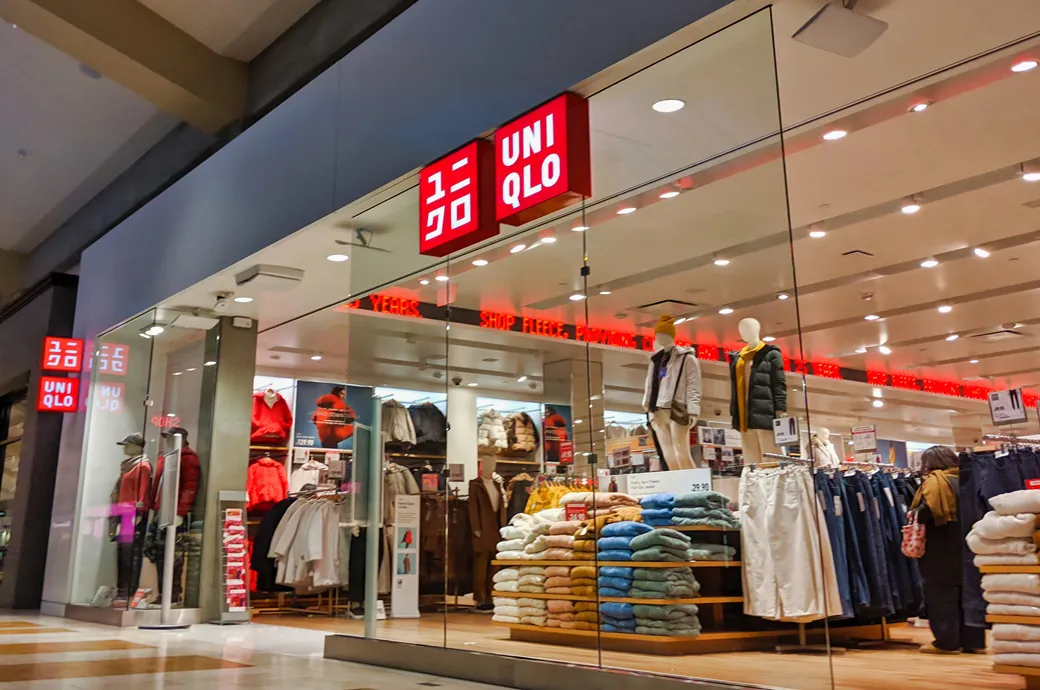
👉 Many consumers asked:
“Is this fashion? Is it basics? Is it premium?”
Product-Market Mismatch
Not all products translated well.
Key Differences
| Factor | Japan | US |
|---|---|---|
| Fit | Slim | Broader sizing needed |
| Style | Minimalist | More expressive |
| Climate | Different | Regional diversity |
👉 This created friction between product design and local expectations.
Retail Strategy Issues
UNIQLO’s retail approach also faced challenges.
Problems
- reliance on large flagship stores
- high operational costs
- limited localization
Compared to competitors, this made scaling more difficult.
How UNIQLO Adapted
UNIQLO didn’t stay stuck—it adjusted its strategy.
Improvements
| Change | Result |
|---|---|
| Better sizing | Improved fit |
| Local marketing | Increased awareness |
| E-commerce growth | Expanded reach |
👉 Over time, UNIQLO became more aligned with US consumer behavior.
Lessons for Clothing Brands
This case offers valuable insights.
Key Takeaways
| Lesson | Meaning |
|---|---|
| Localization matters | Adapt to each market |
| Branding clarity | Must be immediate |
| Expansion timing | Don’t scale too fast |
From my experience, success in global markets depends on adapting—not just exporting your existing model.
FAQ
Did UNIQLO fail in America?
No. It struggled early but continues to operate and grow.
Why did UNIQLO struggle in the US?
Because of positioning, product fit, and expansion strategy.
Is UNIQLO popular in the US now?
It is more recognized than before, but still not dominant.
What can brands learn from UNIQLO?
The importance of localization and clear branding.
Conclusion
UNIQLO didn’t fail in the US—but it faced real challenges that slowed its growth.
The key issue wasn’t product quality—it was market fit, positioning, and strategy execution.
For clothing brands and manufacturers, this is a powerful lesson:
👉 Success in one market doesn’t guarantee success in another.
If you want to understand how clothing brands adapt globally, optimize production, and build scalable strategies, you can explore more insights here:
blessclothing