
Table of Contents
- Quick Answer
- Ownership Structure Explained
- My Perspective From Apparel Business Models
- Who Founded Quince
- Is Quince Public or Private?
- How Ownership Affects Pricing and Strategy
- Quince vs Traditional Brand Ownership
- Strengths and Limitations of This Ownership Model
- What This Means for Buyers & Brand Builders
- FAQ
- Final Verdict
Quick Answer
Quince is a privately owned company, backed by founders and private investors (venture capital).
👉 It is not owned by a large fashion conglomerate like LVMH or Kering.
Ownership Structure Explained
Quince operates under:
- Private ownership
- Founder-led leadership
- Venture capital backing
👉 This means:
- No public shareholders
- No large corporate parent company
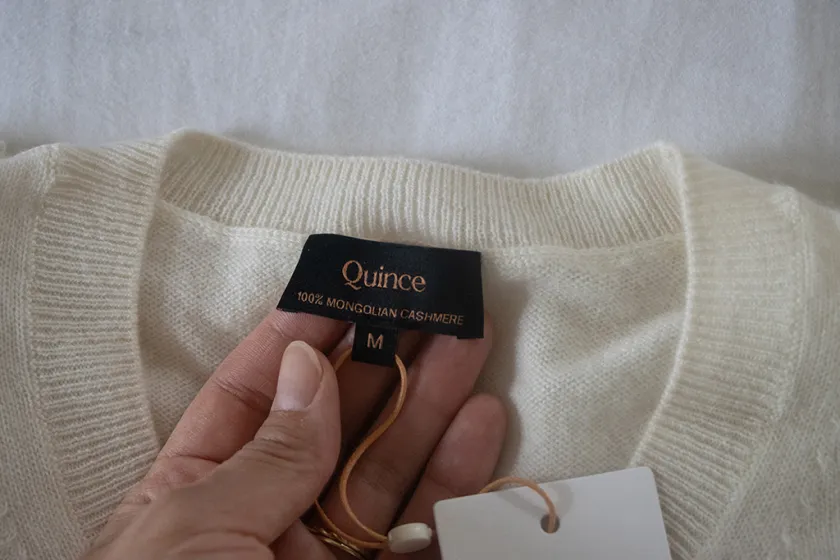
My Perspective From Apparel Business Models
From my experience in apparel sourcing and brand strategy:
There are three main ownership types:
- Corporate-owned brands
- Public companies
- Private/startup brands
👉 Quince fits into the third category.
What I’ve observed:
- More flexibility in pricing
- Faster decision-making
- Strong focus on direct-to-consumer models
👉 This explains Quince’s aggressive value pricing strategy.
Who Founded Quince
Quince was founded by:
- Entrepreneurs in the U.S. (San Francisco-based team)
👉 The founders built the brand around:
- Direct factory sourcing
- Transparent pricing
- Online-first retail
Is Quince Public or Private?
Quince is:
- ❌ Not publicly traded
- ❌ Not owned by a conglomerate
- ✅ Privately held
👉 This gives the company:
- More control over operations
- Less pressure from public markets
How Ownership Affects Pricing and Strategy
Quince’s ownership model directly impacts its business approach.
Key advantages:
- No retail middlemen
- Lower markup structure
- Direct-to-consumer pricing

Result:
👉 Customers get premium materials at lower prices.
Quince vs Traditional Brand Ownership
| Brand Type | Ownership Model | Strategy |
|---|---|---|
| Quince | Private + VC-backed | Low markup |
| Luxury brands | Conglomerates | High margin |
| Retail brands | Public companies | Scale & distribution |
| Fast fashion | Corporate | Volume & speed |
👉 If you're building your own apparel brand, working with a manufacturer like blessclothing allows you to:
- Maintain control over your brand
- Optimize cost structures
- Build a scalable business model
Strengths and Limitations of This Ownership Model
✅ Strengths
- Flexible pricing strategy
- Faster innovation
- Strong control over brand direction
- Direct-to-consumer efficiency
❌ Limitations
- Limited brand recognition vs legacy brands
- Dependence on investor funding
- No physical retail presence
What This Means for Buyers & Brand Builders
For consumers:
- Lower prices
- Better value
- Transparent sourcing
For entrepreneurs:
👉 Quince proves that:
- You don’t need a large corporation
- You need a strong supply chain
- You need a clear pricing strategy
FAQ
1. Who owns Quince?
Quince is privately owned by its founders and investors.
2. Is Quince owned by a big company?
No — it operates independently.
3. Is Quince a public company?
No — it is privately held.
4. Why is Quince cheaper than other brands?
Because of:
- Direct-to-consumer model
- Lower markup
- Efficient sourcing
Final Verdict
So, who owns the company Quince?
👉 A private group of founders and investors — not a large corporation.
From my experience, this explains why Quince:
- Moves fast
- Prices aggressively
- Focuses on value
👉 Ownership defines strategy — and Quince is built for efficiency and direct consumer value.
Internal Reference
If you're planning to build your own apparel brand using a similar private, direct-to-consumer model:
👉 You can explore private label and custom manufacturing solutions with blessclothing to control sourcing, pricing, and brand positioning.