
Expansion is the most dangerous phase of a fashion brand’s life. If you expand too fast into the wrong categories, you dilute your brand identity and bleed cash. If you stay too small, you leave the door open for competitors to steal your market share.
At Bless Clothing, I’ve seen brands successfully transition from selling "just t-shirts" to becoming full-lifestyle labels. The secret isn't just adding more SKUs; it’s about logical adjacency. You want to offer your customers the next thing they naturally need. Here is my strategic framework for growing your clothing line without losing your focus.
Table of Contents
- Quick Answer: The "Logic of Adjacency"
- Phase 1: Vertical vs. Horizontal Expansion
- Phase 2: The "Core-Plus" Product Strategy
- Phase 3: Testing New Categories via Micro-Drops
- Comparison: Aggressive vs. Strategic Expansion
- Decision Matrix: What Should You Launch Next?
- FAQs: Managing a Growing Product Line
- Partner with Bless Clothing for Strategic Growth
Quick Answer
Strategic expansion means growing your collection by moving into Complementary Categories that share your existing supply chain. If you sell hoodies, expand into matching joggers or high-quality basics before jumping into complex outerwear. Use the 70/30 Rule: 70% of your expansion should be "Safe Bets" (variations of winners) and 30% should be "Experimental" (new silhouettes). Partner with a flexible manufacturer to maintain quality consistency across new fabric types.
1. Vertical vs. Horizontal Expansion
Before you design a single new piece, you need to decide how you are growing.
Vertical Expansion (Depth)
This is the safest route. You take your best-selling silhouette and offer it in new custom fabric weights, limited-edition colors, or updated washes.
- Best for: Brands with a "cult" following for a specific fit.
Horizontal Expansion (Breadth)
This is moving into new categories. If you are a streetwear brand, this might mean moving from tops into bottoms or accessories.
- Best for: Brands that have high customer trust and want to increase their Average Order Value (AOV).
2. The "Core-Plus" Product Strategy
I always advise our clients at Bless Clothing to use the "Core-Plus" model. Your "Core" is what pays the bills; the "Plus" is what builds the hype.
- Identify the Core: What is the one item people come to you for? (e.g., oversized heavy-weight tees).
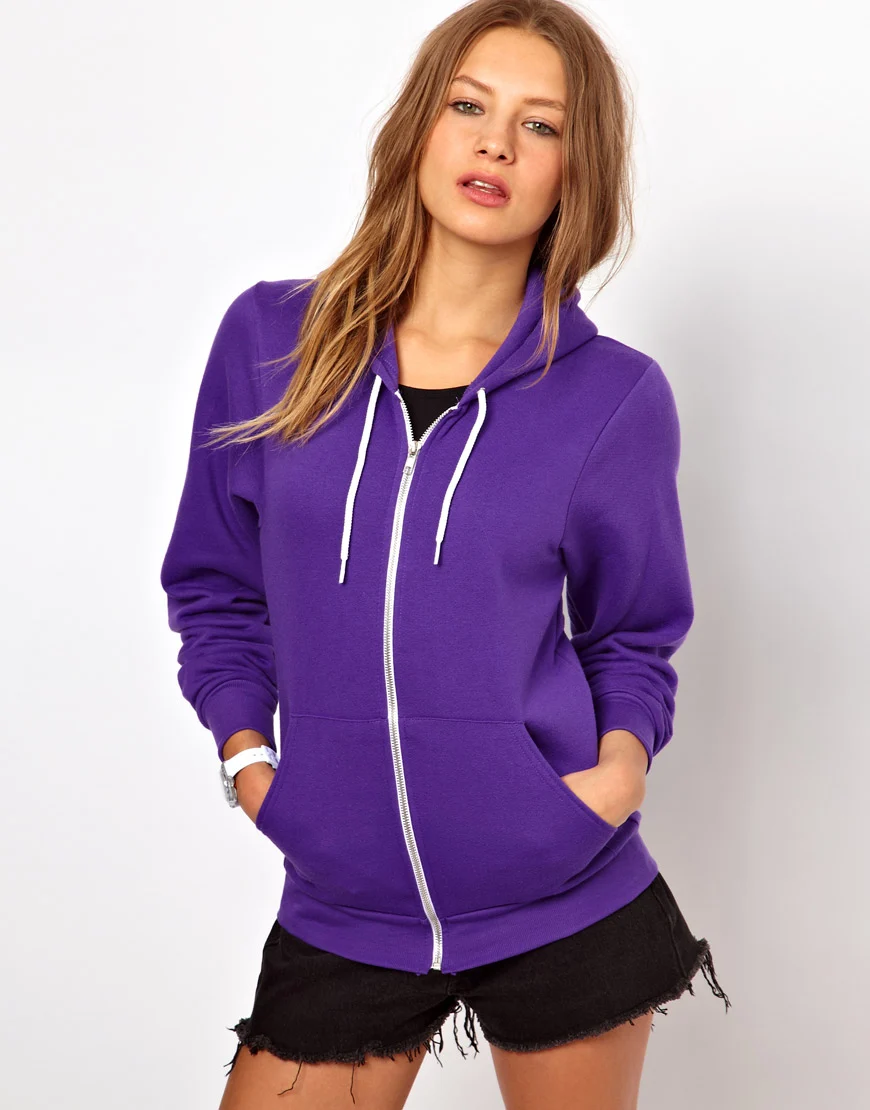
- Add the Logical Plus: If they bought the tee, they likely need a specific type of short or a layering piece like a zip-up hoodie.
- Shared Raw Materials: To keep costs down, ensure your new items use the same GSM or fabric blend as your core items. This simplifies your QC process and lowers your MOQs.
3. Testing New Categories via Micro-Drops
Never commit to a 500-unit bulk order for a brand-new category without a "Proof of Concept."
- The Capsule Method: Launch a 3-piece "capsule" rather than a full 10-piece line.
- Sample-Driven Marketing: Use high-quality prototypes to gauge interest on social media before starting bulk production.
- Feedback Loops: Use your most loyal customers as a focus group. Ask them: "What is the one item missing from your wardrobe that we could make better?"
4. Comparison: Aggressive vs. Strategic Expansion
| Feature | Aggressive Expansion (High Risk) | Strategic Expansion (Bless Method) |
|---|---|---|
| Product Range | Launching 10+ new styles at once. | Adding 2–3 complementary styles. |
| Fabric Sourcing | New fabrics for every item. | Re-using core fabrics in new ways. |
| Inventory | High risk of "Dead Stock." | Controlled growth based on demand. |
| Marketing | Scattered messaging. | Targeted "Full Look" cross-selling. |
| Cash Flow | Often negative/strained. | Self-sustaining and profitable. |
5. Decision Matrix: What Should You Launch Next?
Use this logic to choose your next product:
- Scenario A: Your customers love your aesthetic but find your prices high.
- Strategy: Expand Vertically. Launch a "Basic" line with simpler construction but the same signature fit.
- Scenario B: Your customers are tag-teaming you on Instagram for a full set.
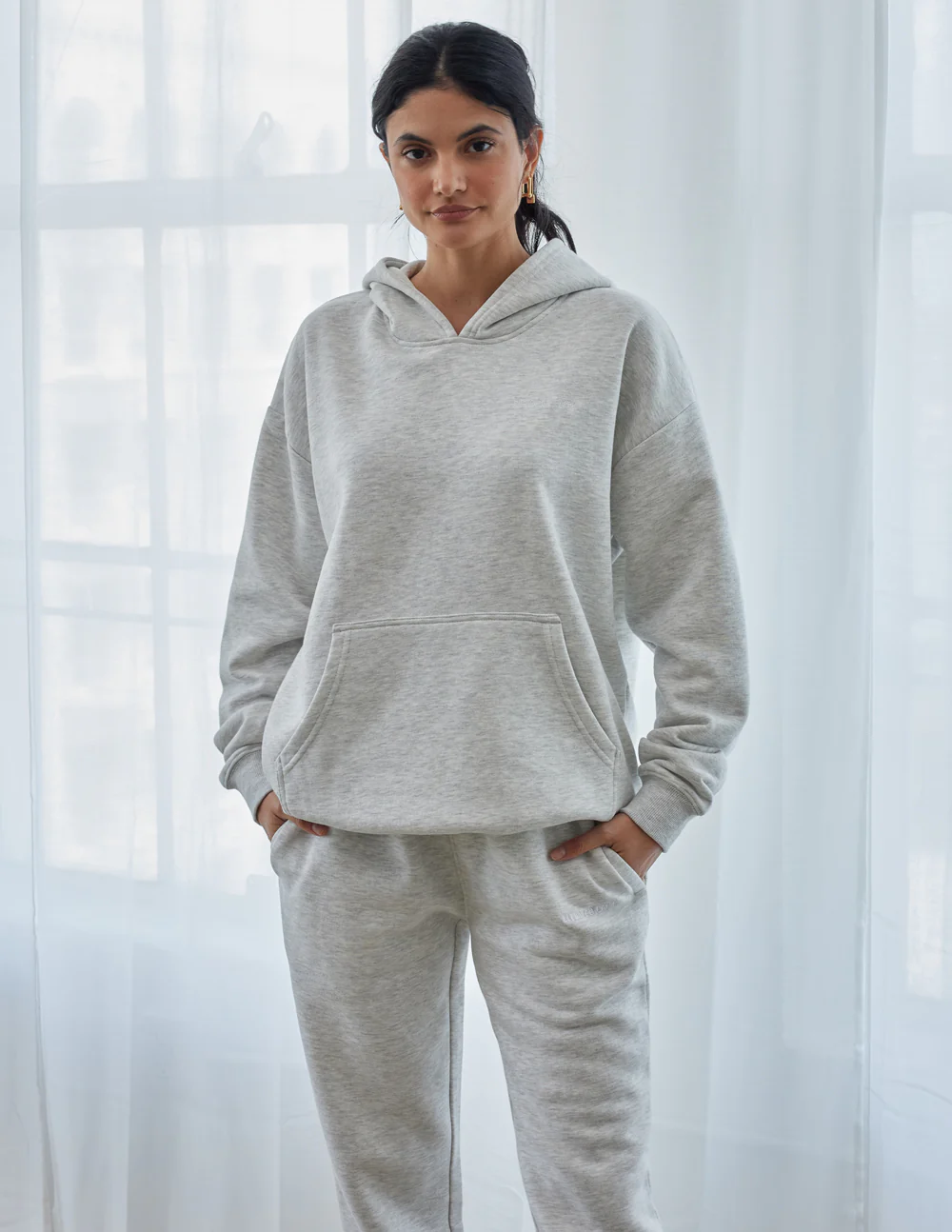
- Strategy: Expand Horizontally. Launch matching bottoms using your established fabric dye lots.
- Scenario C: You want to enter a new season (e.g., Summer to Winter).
- Strategy: Fabric-First Expansion. Move from jersey to heavy fleece while keeping your silhouettes consistent.
6. FAQs: Managing a Growing Product Line
Q: Will adding more products hurt my brand's "exclusivity"?
A: Only if you sacrifice quality for quantity. As long as your technical standards remain high, more products actually make your brand feel more established and professional.
Q: How do I manage multiple manufacturers during expansion?
A: Avoid it if possible. It is much more efficient to work with a full-service partner who can handle diverse categories (Tees, Hoodies, Pants) under one roof to ensure color and fit consistency.
Q: When is the best time of year to expand?
A: 4–6 months before your target season. If you want to expand your winter line, you should be in the sampling and sourcing phase by mid-summer.
Partner with Bless Clothing for Strategic Growth
Expansion is a journey of precision. You need a partner who understands that a 1cm difference in a new trouser pattern can make or break your brand’s reputation. At Bless Clothing, we provide the technical expertise and manufacturing flexibility to help you scale your line strategically.
Ready to add the next chapter to your brand story?
Contact Bless Clothing today. Let’s analyze your current wins and build a roadmap for a diversified, profitable, and cohesive clothing line.