
Table of Contents
- Quick Answer
- Why Most New Clothing Brands Fail Before Production
- Step 1: Understand Your Brand Positioning First
- Step 2: Start Small Instead of Launching Big
- Step 3: Fabric Quality Matters More Than Most Beginners Think
- Step 4: Your First Product Should Be Simple
- Step 5: Learn the Difference Between OEM and Private Label
- Step 6: Sampling Is More Important Than Bulk Production
- Step 7: Understand MOQ, Pricing & Production Timelines
- Step 8: Choose a Reliable Manufacturer Carefully
- Step 9: Branding and Packaging Still Matter
- Step 10: Focus on Repeat Customers, Not Just Launch Sales
- Startup Strategy Comparison Table
- Biggest Mistakes New Brands Make
- FAQs
- How to Build a Brand That Lasts
Quick Answer
Before starting clothing production, new brands should understand:
- Product positioning
- Fabric quality
- Manufacturing processes
- MOQ and production costs
- Branding strategy
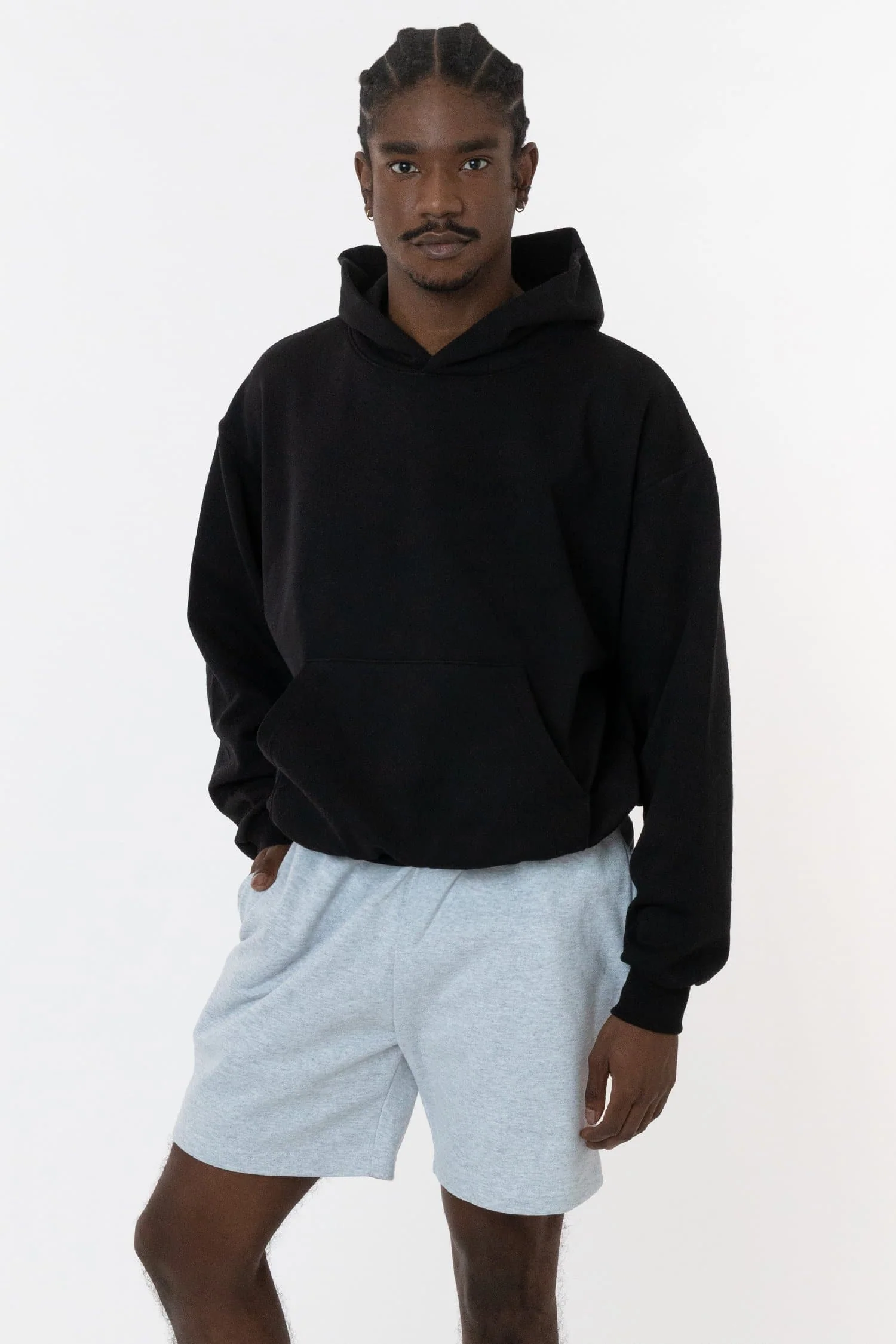
👉 Working with an experienced manufacturer like Bless Clothing can help reduce mistakes and improve long-term scalability.
Why Most New Clothing Brands Fail Before Production
From my experience, most startup brands don’t fail because of marketing—they fail because of poor preparation before production even begins.
Common reasons:
- Launching too many products
- Choosing the wrong manufacturer
- Ignoring fabric quality
- Underestimating production timelines
Key Insight
The strongest brands are usually the ones that simplify early and scale later.
Step 1: Understand Your Brand Positioning First
Before making samples, define your brand clearly.
Ask yourself:
- Who is your customer?
- What price range are you targeting?
- What makes your brand different?
Positioning Examples
| Brand Type | Focus |
|---|---|
| Budget basics | Affordable essentials |
| Lifestyle | Everyday comfort |
| Premium | Fabric & quality |
| Streetwear | Trend-driven |
Practical Tip
Avoid trying to target “everyone.”
Step 2: Start Small Instead of Launching Big
One of the biggest mistakes I see is launching too many products at once.
Better strategy:
- Start with 1–3 core products
- Test market response
- Scale your best sellers
Product Launch Comparison
| Strategy | Risk Level |
|---|---|
| Small launch | Low |
| Large collection | High |
Key Insight
Small launches help you:
- Reduce inventory risk
- Improve cash flow
- Learn faster
Step 3: Fabric Quality Matters More Than Most Beginners Think
Fabric directly affects:
- Customer satisfaction
- Product feel
- Return rates
- Brand perception
Recommended beginner fabrics:
| Fabric | Best For |
|---|---|
| Cotton | Basics |
| French Terry | Loungewear |
| Modal Blend | Premium comfort |
👉 Certified fabrics like OEKO-TEX® help ensure consistency and safety.
Reality Insight
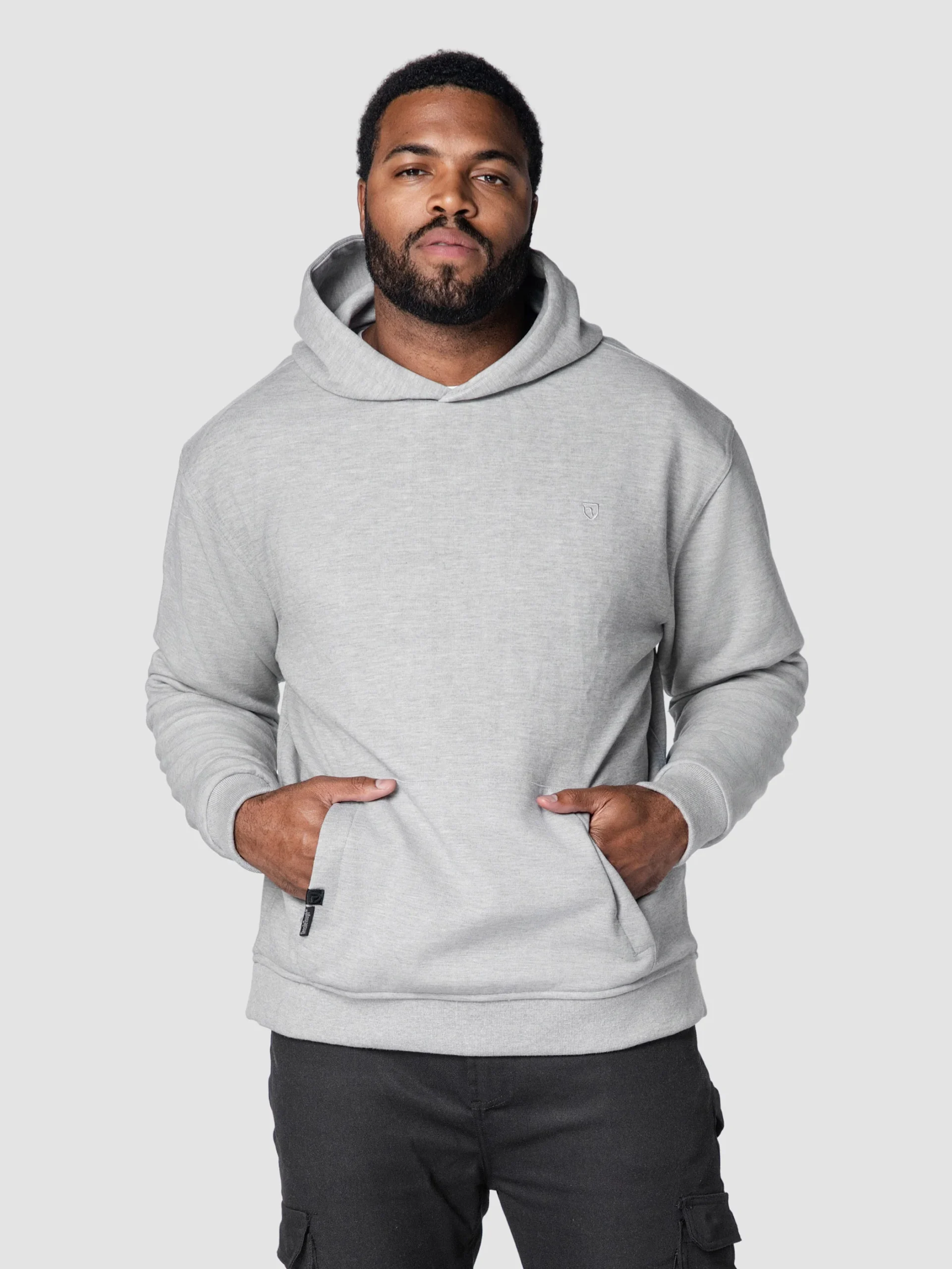
Customers forgive simple designs. They rarely forgive bad fabric.
Step 4: Your First Product Should Be Simple
Don’t overcomplicate your first collection.
Best beginner products:
- T-shirts
- Hoodies
- Sweatpants
- Pajama sets
Beginner Product Table
| Product Type | Complexity |
|---|---|
| T-shirts | Low |
| Hoodies | Medium |
| Matching sets | Medium |
| Technical wear | High |
Practical Tip
Simple products are:
- Easier to produce
- Easier to scale
- Easier to improve
Step 5: Learn the Difference Between OEM and Private Label
This affects your entire business model.
| Feature | Private Label | OEM |
|---|---|---|
| Speed | Faster | Slower |
| Customization | Medium | High |
| Investment | Lower | Higher |
Recommendation
- Start with private label
- Move to OEM when scaling
Step 6: Sampling Is More Important Than Bulk Production
Your sample determines the success of your bulk order.
Always test:
- Fit
- Fabric feel
- Shrinkage
- Durability
Sample Evaluation Checklist
| Factor | Check |
|---|---|
| Fit | ✅ |
| Comfort | ✅ |
| Construction | ✅ |
| Fabric quality | ✅ |
Key Insight
A bad sample almost always leads to a bad bulk order.
Step 7: Understand MOQ, Pricing & Production Timelines
New brands often misunderstand manufacturing expectations.
Typical ranges:
| Item | Range |
|---|---|
| MOQ | 50–300 pcs |
| Sample time | 7–10 days |
| Production | 25–35 days |
Cost Drivers
| Factor | Impact |
|---|---|
| Fabric | High |
| Quantity | High |
| Complexity | Medium |
Step 8: Choose a Reliable Manufacturer Carefully
Your manufacturer affects product quality, timelines, and scalability.
What I recommend checking:
- Communication speed
- Sample quality
- Production stability
- Fabric sourcing capability
👉 A trusted partner like Bless Clothing can help brands move from idea to scalable production.
Step 9: Branding and Packaging Still Matter
Even simple products need strong branding.
Focus on:
- Labels
- Hang tags
- Packaging
- Consistent visual identity
Branding Priorities
| Element | Importance |
|---|---|
| Logo | High |
| Labels | High |
| Packaging | Medium |
Practical Tip
Good branding increases perceived value significantly.
Step 10: Focus on Repeat Customers, Not Just Launch Sales
The best brands are built on repeat purchases.
What drives retention:
- Comfort
- Consistent fit
- Reliable quality
Long-Term Growth Formula
| Factor | Importance |
|---|---|
| Product quality | High |
| Fabric comfort | High |
| Customer trust | High |
Startup Strategy Comparison Table
| Strategy Type | Risk | Investment | Scalability |
|---|---|---|---|
| Small launch | Low | Low | Medium |
| Large inventory | High | High | High |
| Premium niche | Medium | Medium | High |
Biggest Mistakes New Brands Make
Avoid these:
- Launching too many SKUs
- Ignoring fabric quality
- Choosing the cheapest supplier
- Skipping product testing
Reality Insight
Most brands fail because they:
Focus on looking like a brand before building a strong product.
FAQs
1. What product should a new brand start with?
T-shirts, hoodies, and loungewear sets are safest.
2. What is MOQ?
Minimum order quantity required for production.
3. Should I start with OEM?
No—private label is usually easier for beginners.
4. How long does production take?
Typically 3–5 weeks after sample approval.
5. What matters most in clothing production?
Fabric quality and fit consistency.
How to Build a Brand That Lasts
To build a successful clothing brand:
- Start small
- Focus on quality
- Improve gradually
- Scale based on real demand
👉 Work with Bless Clothing to simplify production and build a scalable apparel business.
Final Insight
The brands that survive long-term are not always the trendiest—they are the ones that consistently deliver quality products customers trust and reorder.