
I get asked this a lot: “Are Gap jeans better than Old Navy jeans, or am I just paying for the name?”
After years of working with denim factories and comparing real-world wear results, here’s the honest answer:
Yes—Gap jeans are generally better than Old Navy jeans.
But “better” depends on how you wear jeans, how often you replace them, and what you expect after 6–12 months.
This guide breaks it down clearly, so you can pick the right jeans for your lifestyle, not just the brand.
Table of Contents
- Quick Answer
- How Denim Quality Actually Differs
- Fabric, Fit & Wash Compared
- Gap vs Old Navy Jeans: Side-by-Side
- Which Jeans Should You Buy?
- What Denim Brands Can Learn
- FAQ
- Final Verdict
Quick Answer
Gap jeans are better quality than Old Navy jeans, especially in:
- Denim weight
- Shape retention
- Wash durability
However:
- Old Navy jeans are cheaper and more forgiving
- Old Navy works well if you replace jeans often
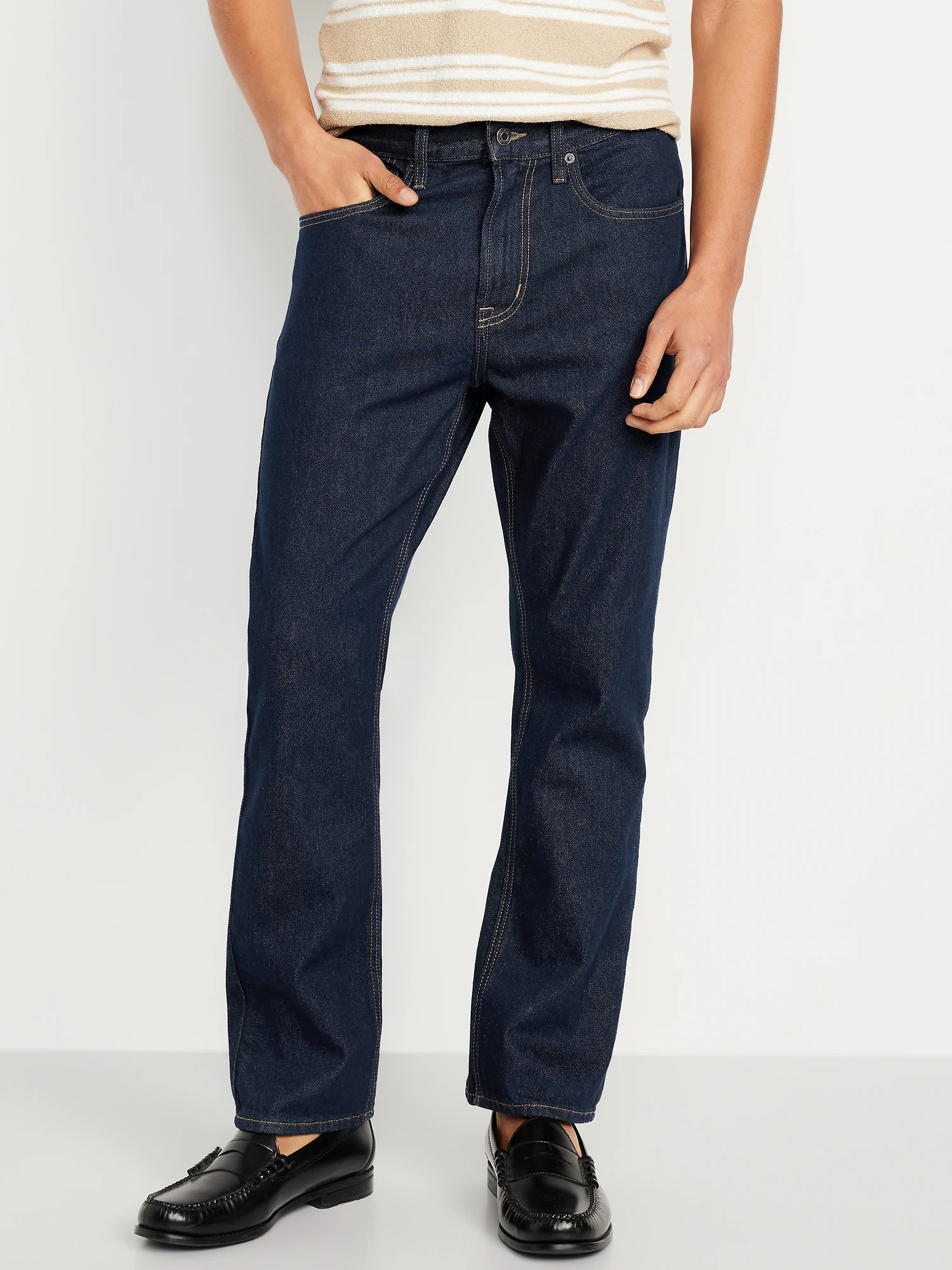
In simple terms:
- Old Navy jeans = budget, casual, replaceable
- Gap jeans = more durable, better long-term value
How Denim Quality Actually Differs
Both brands belong to Gap Inc., and many people assume they’re made the same way.
They’re not.
From a denim manufacturing perspective:
- Old Navy focuses on cost efficiency and stretch comfort
- Gap invests more in fabric weight, wash control, and pattern stability
That difference shows up after repeated washing and daily wear.
Fabric, Fit & Wash Compared
Fabric
-
- Lighter-weight denim
- Higher stretch content
- Softer feel at first, faster fatigue
-
- Medium-weight denim
- Better cotton-to-stretch balance
- Holds structure longer
Fit
- Old Navy: relaxed, forgiving, family-friendly sizing
- Gap: cleaner lines, more consistent leg and rise shaping
Wash & Finish
- Old Navy: trend-driven washes, fade faster
- Gap: more controlled washes, age more evenly
Gap vs Old Navy Jeans: Side-by-Side
| Factor | Old Navy Jeans | Gap Jeans |
|---|---|---|
| Typical price | $25–$50 | $60–$120 |
| Denim weight | Light | Medium |
| Stretch | High | Moderate |
| Shape retention | Medium | Better |
| Wash durability | Medium | Higher |
| Best for | Casual, daily wear | Long-term everyday jeans |
Gap jeans usually cost more—but they also survive more wears.
Which Jeans Should You Buy?
Choose Old Navy jeans if you:
- Want affordable denim
- Prefer stretch and comfort
- Replace jeans every year
- Shop for multiple family members
- Follow seasonal trends
Choose Gap jeans if you:
- Want jeans that hold shape
- Care about wash consistency
- Wear jeans frequently
- Prefer classic fits over trends
- Want better cost-per-wear
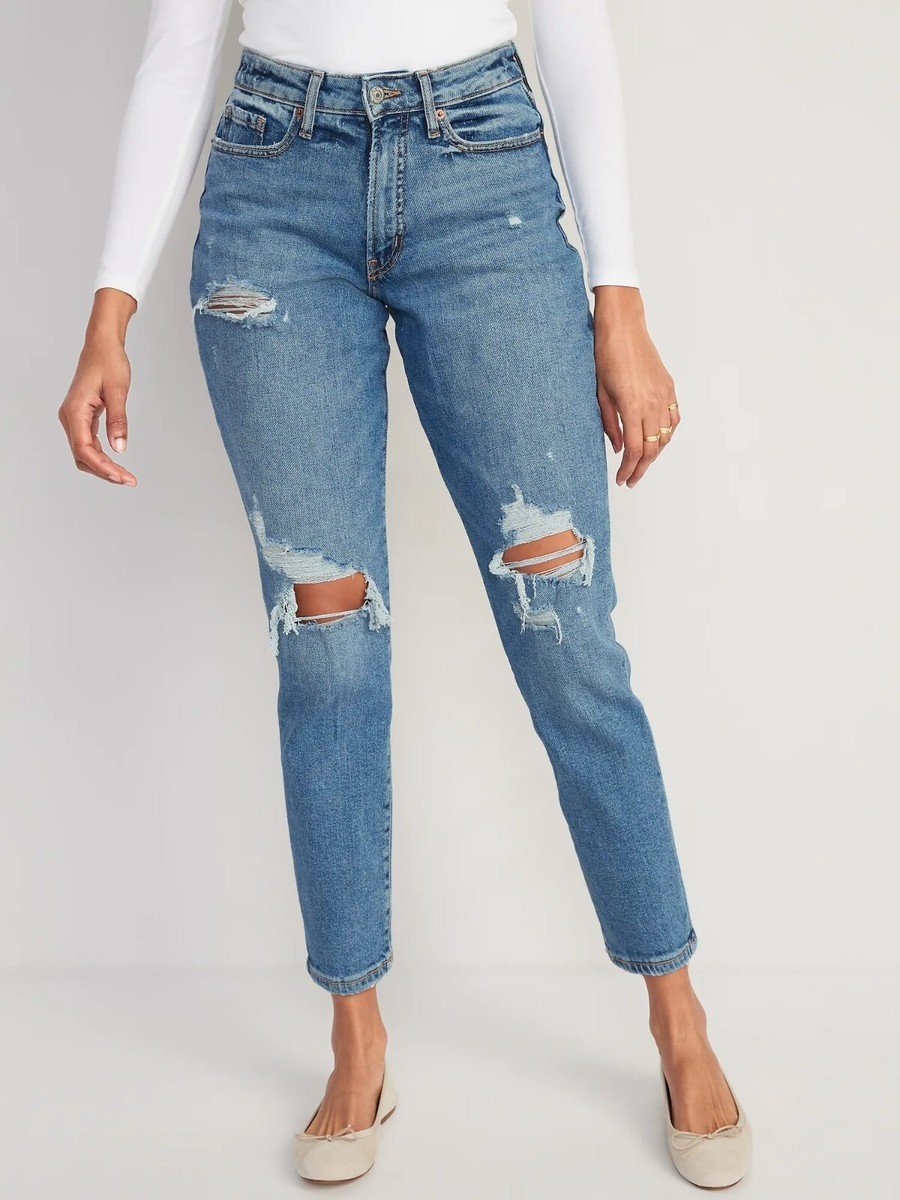
There’s no “wrong” choice—just a smarter one for your habits.
What Denim Brands Can Learn
From a private-label and denim production standpoint, Gap Inc.’s strategy is clear:
- Same corporate backbone
- Different denim specs
- Clear customer separation
Old Navy prioritizes accessibility.
Gap prioritizes balance between quality and scale.
Many modern denim brands now aim to sit between these two—combining stretch comfort with stronger fabric standards.
If you’re exploring how brands improve denim quality without luxury pricing, see:
👉 blessclothing
FAQ
Do Gap and Old Navy use the same factories?
Often yes, but with different denim weights and wash standards.
Do Old Navy jeans stretch out faster?
Yes, especially high-stretch styles.
Are Gap jeans worth the extra money?
If you wear jeans often—yes.
Which brand is better for comfort?
Old Navy wins on softness and stretch.
Final Verdict
Gap jeans are better than Old Navy jeans in quality and durability.
But:
- Old Navy wins on price and comfort
- Gap wins on fabric, structure, and longevity
If jeans are a temporary basic for you, Old Navy is enough.
If jeans are a daily uniform, Gap is the smarter investment.
Good denim isn’t about the logo.
It’s about how long it stays comfortable and wearable.