
Starting a casual clothing brand has never been more accessible. With e-commerce platforms, social media marketing, and flexible manufacturing options, entrepreneurs today can launch a clothing brand faster than ever before.
However, many new founders underestimate how much planning is required. From product development and fabric selection to manufacturing and marketing, building a clothing brand involves several key decisions.
From my experience working around apparel production and clothing brand development, the brands that succeed are the ones that start simple, focus on product quality, and choose the right manufacturing partners early.
This guide explains how new entrepreneurs can start a casual clothing brand step by step, including product planning, manufacturing, branding, and launch strategies.
Table of Contents
- Quick Overview
- Step 1: Define Your Brand Concept
- Step 2: Choose Your First Products
- Step 3: Understand Fabric and Material Choices
- Step 4: Find a Clothing Manufacturer
- Step 5: Develop Samples and Prototypes
- Step 6: Plan Your Production Strategy
- Step 7: Build Your Brand Identity
- Step 8: Launch and Market Your Brand
- Common Mistakes New Clothing Brands Make
- FAQ
- Final Thoughts
Quick Overview
Starting a casual clothing brand usually involves these core steps:
| Step | Goal |
|---|---|
| Brand concept | define your brand identity |
| Product selection | choose initial clothing items |
| Fabric sourcing | select suitable materials |
| Manufacturing | produce garments |
| Branding | develop logo and labels |
| Marketing | promote products to customers |
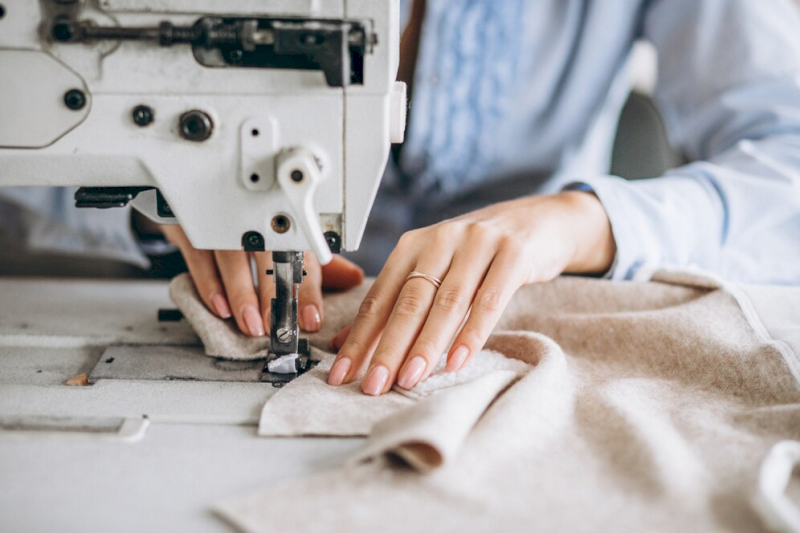
Many entrepreneurs partner with manufacturers such as Bless Clothing to develop custom casualwear products and launch their first clothing collections.
Step 1: Define Your Brand Concept
Every clothing brand starts with a clear concept.
Your concept defines:
- your target audience
- brand style and identity
- price positioning
- product category focus
For example, a casual clothing brand might focus on:
| Brand Direction | Example Focus |
|---|---|
| minimal casualwear | everyday essentials |
| street-inspired casual | graphic T-shirts and hoodies |
| premium basics | high-quality fabrics |
A clear brand concept helps guide product development and marketing decisions.
Step 2: Choose Your First Products
Many new entrepreneurs try to launch too many products at once.
In my experience, successful startups usually begin with 2–4 core items.
Popular starter products include:
| Product | Reason |
|---|---|
| T-shirts | simple construction and high demand |
| hoodies | popular casualwear staple |
| sweatshirts | versatile everyday wear |
| joggers | comfortable casual bottoms |
Starting with fewer products reduces production complexity and financial risk.
Step 3: Understand Fabric and Material Choices
Fabric selection has a major impact on garment quality and comfort.
Common fabrics used in casualwear include:
| Fabric Type | Characteristics |
|---|---|
| cotton jersey | soft and breathable |
| cotton blends | durable and wrinkle resistant |
| French terry | lightweight sweatshirt fabric |
| fleece | warm hoodie fabric |
Understanding how fabrics perform helps brands create comfortable and durable clothing.
Organizations like Textile Exchange also publish resources on sustainable textile practices.
Step 4: Find a Clothing Manufacturer
Choosing the right manufacturer is one of the most important decisions when launching a clothing brand.
A good clothing manufacturer should provide:
- sampling services
- fabric sourcing
- quality control systems
- scalable production
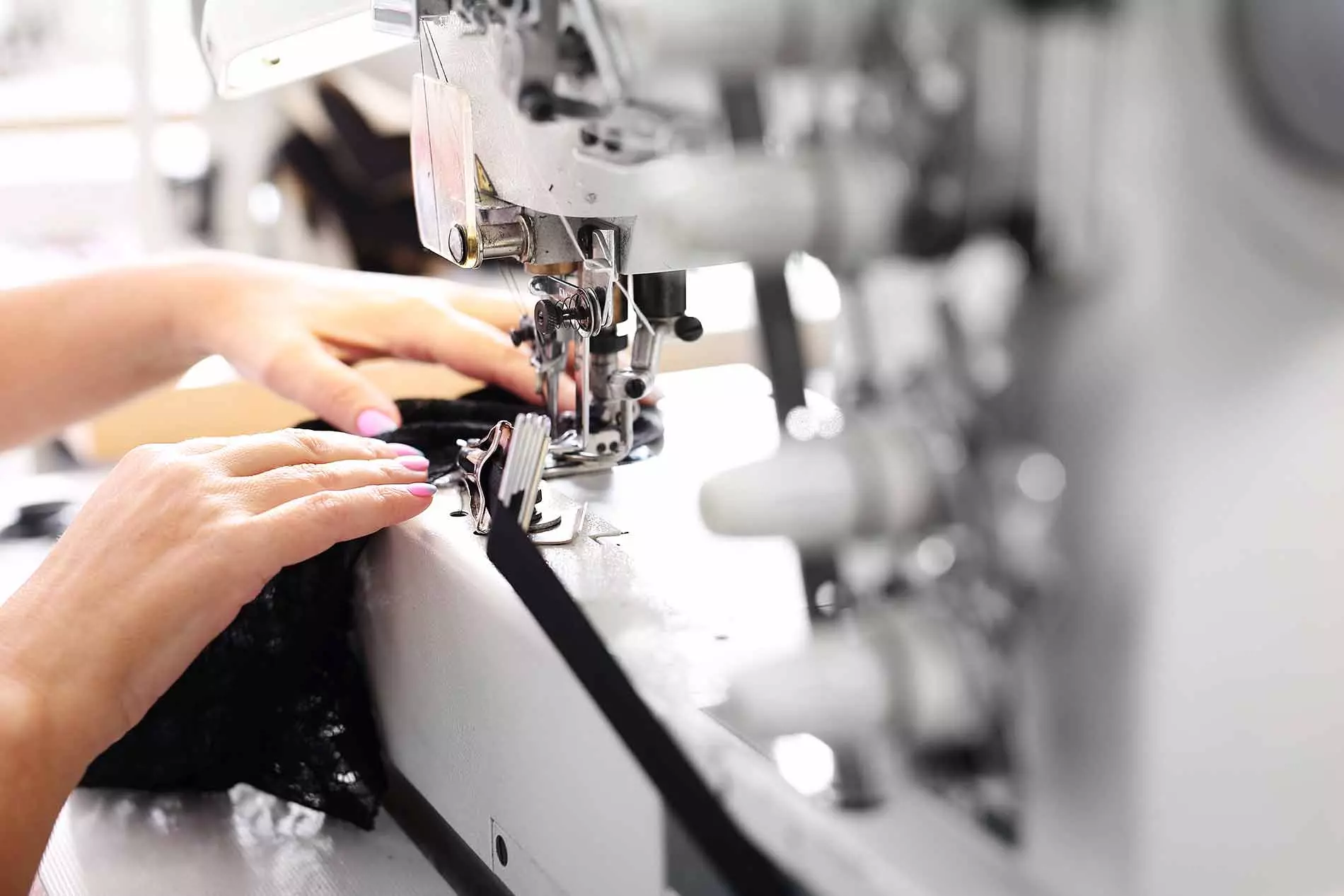
Manufacturers such as Bless Clothing help new brands develop custom casualwear products and manage production from sampling to bulk manufacturing.
Working with experienced factories reduces production risks.
Step 5: Develop Samples and Prototypes
Sampling allows brands to test their product before committing to full production.
Sample garments help evaluate:
- garment fit
- fabric quality
- stitching construction
- logo placement
Most clothing products require multiple sample revisions before final approval.
Skipping the sampling process can lead to costly production mistakes.
Step 6: Plan Your Production Strategy
Production planning determines how many garments you manufacture in your first launch.
Startup brands often begin with low MOQ production runs.
| Production Type | Typical Quantity |
|---|---|
| small launch | 50–100 pieces |
| medium launch | 100–300 pieces |
| larger launch | 300+ pieces |
Starting with smaller orders helps brands test market demand before scaling production.
Step 7: Build Your Brand Identity
Brand identity is what makes your clothing brand recognizable.
Key branding elements include:
| Branding Element | Purpose |
|---|---|
| logo design | visual identity |
| woven labels | brand recognition |
| hang tags | product presentation |
| packaging | customer experience |
Strong branding helps casual clothing brands stand out in competitive markets.
Step 8: Launch and Market Your Brand
Once your products are ready, marketing becomes the main focus.
Many clothing startups use these channels:
- Instagram and TikTok marketing
- influencer collaborations
- content marketing
- online stores
Social media plays a major role in clothing brand discovery and customer engagement.
Common Mistakes New Clothing Brands Make
Many entrepreneurs encounter similar challenges when launching clothing brands.
Launching Too Many Products
Too many products increase manufacturing complexity.
Ignoring Product Quality
Low-quality garments damage brand reputation.
Poor Manufacturer Selection
Working with unreliable factories can cause production delays.
Weak Brand Positioning
Brands without clear identity struggle to stand out.
Avoiding these mistakes improves long-term success.
FAQ
How much money does it cost to start a clothing brand?
Startup costs vary widely but many casualwear brands begin with budgets between $2,000 and $10,000.
What products should new clothing brands start with?
T-shirts and hoodies are among the most common starter products because they are relatively simple to produce.
Do clothing brands need manufacturers?
Most brands work with manufacturers to produce garments efficiently and at scale.
How long does it take to launch a clothing brand?
Product development and production typically take 1–3 months, depending on sampling and manufacturing timelines.
Final Thoughts
Starting a casual clothing brand requires careful planning, but it is achievable for new entrepreneurs who approach the process strategically.
Successful clothing brands usually focus on:
- strong product quality
- clear brand identity
- reliable manufacturing partnerships
By understanding product development, production planning, and marketing strategies, entrepreneurs can build clothing brands that grow sustainably.
If you're exploring custom casualwear production for your brand, you can learn more about manufacturing solutions at Bless Clothing.
With the right preparation and production partners, launching a clothing brand becomes a much more manageable journey.