
Fabric choice is one of the most important decisions when developing casual clothing. The material determines comfort, durability, breathability, and how the garment feels on the body.
Many new clothing brands focus heavily on design but underestimate the impact of fabric. From what I’ve seen in casualwear product development, the brands that succeed usually pay close attention to fabric weight, composition, and intended use.
In this guide, I’ll break down the most common fabrics used in casual clothing — cotton, fleece, and blended fabrics — and explain how brands choose the right material for their collections.
Table of Contents
- Quick Answer
- Why Fabric Choice Matters in Casualwear
- Cotton Fabric Explained
- Fleece Fabric Explained
- Blended Fabrics Explained
- Fabric Comparison: Cotton vs Fleece vs Blends
- How Clothing Brands Choose the Right Fabric
- Fabric Weight and GSM Explained
- Common Fabric Mistakes Brands Make
- FAQ
- Final Thoughts
Quick Answer
The three most common fabrics used in casual clothing are cotton, fleece, and blended fabrics.
| Fabric Type | Best Use |
|---|---|
| cotton | breathable everyday clothing |
| fleece | warm hoodies and sweatshirts |
| cotton blends | durable and flexible garments |
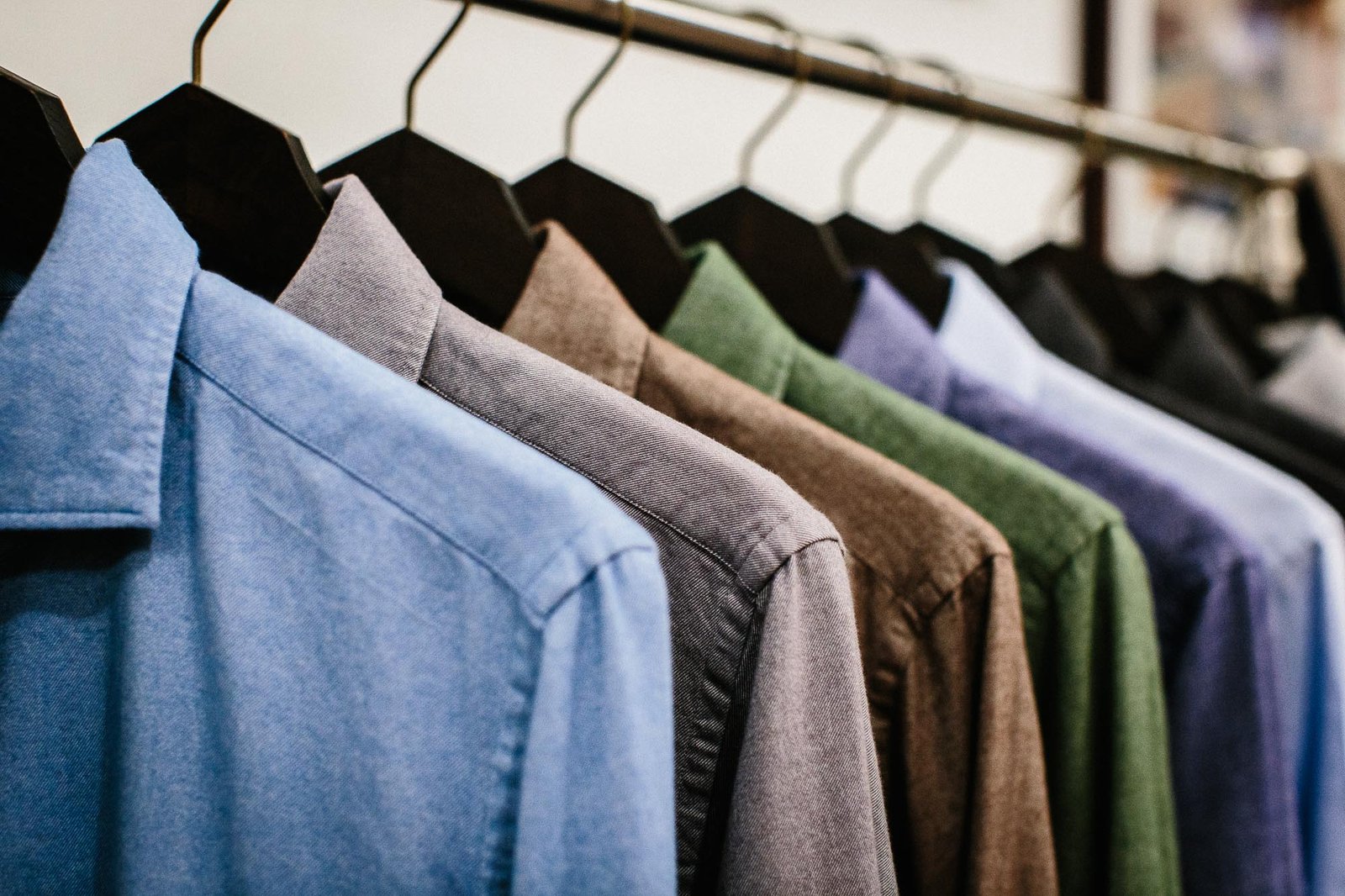
Many casualwear brands work with manufacturers like Bless Clothing to choose fabrics that balance comfort, durability, and production cost.
Why Fabric Choice Matters in Casualwear
Fabric directly affects how a garment performs.
Key factors influenced by fabric include:
| Factor | Impact |
|---|---|
| comfort | how the garment feels |
| breathability | airflow and moisture control |
| durability | resistance to wear |
| structure | how the garment holds shape |
Choosing the wrong fabric can lead to poor fit, reduced durability, and customer dissatisfaction.
Cotton Fabric Explained
Cotton is one of the most widely used fabrics in casual clothing.
Key Characteristics
- breathable
- soft and comfortable
- natural fiber
- suitable for everyday wear
Cotton is commonly used for:
- T-shirts
- sweatshirts
- casual tops
Advantages of Cotton
| Advantage | Explanation |
|---|---|
| breathability | comfortable for daily wear |
| softness | gentle on skin |
| natural fiber | widely preferred by consumers |
Limitations of Cotton
Cotton may shrink if not treated properly and can lose shape over time.
Organizations such as Textile Exchange provide resources on sustainable cotton sourcing and textile standards.
Fleece Fabric Explained
Fleece is commonly used in hoodies, sweatshirts, and winter casualwear.
It is typically made from cotton or polyester blends and brushed on the inside to create a soft, warm texture.
Key Features of Fleece
| Feature | Benefit |
|---|---|
| brushed interior | extra warmth |
| soft texture | comfortable feel |
| insulation | suitable for cooler weather |
Common Uses
Fleece is popular for:
- hoodies
- sweatshirts
- joggers
- winter casualwear
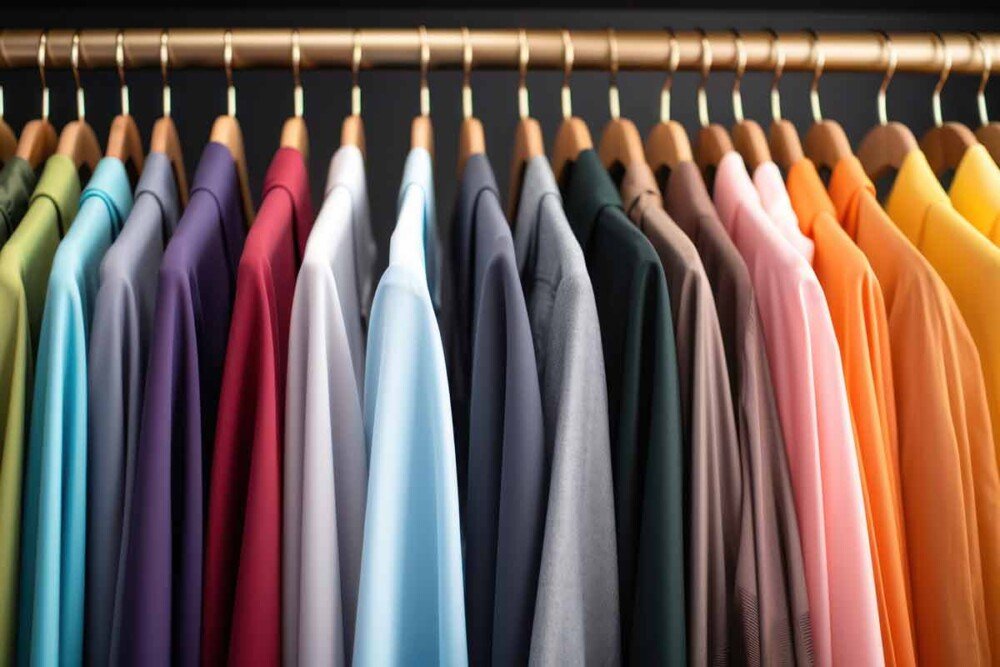
This fabric helps create garments that feel warm and cozy.
Blended Fabrics Explained
Blended fabrics combine multiple fibers to improve performance.
Common blends include:
| Blend Type | Characteristics |
|---|---|
| cotton polyester | durable and wrinkle-resistant |
| cotton spandex | flexible and stretchable |
| polyester blends | lightweight and strong |
Blended fabrics are widely used because they offer balanced performance and durability.
Fabric Comparison: Cotton vs Fleece vs Blends
Each fabric type serves different purposes.
| Fabric | Comfort | Warmth | Durability | Best Use |
|---|---|---|---|---|
| cotton | high | medium | medium | everyday clothing |
| fleece | high | high | medium | hoodies and sweatshirts |
| blends | medium | medium | high | active casualwear |
Understanding these differences helps brands choose the right material for their products.
How Clothing Brands Choose the Right Fabric
When selecting fabrics, clothing brands evaluate several factors.
Climate
Warm climates require breathable fabrics, while colder regions benefit from thicker materials.
Product Type
Different garments require different fabrics.
| Product | Recommended Fabric |
|---|---|
| T-shirts | cotton or cotton blends |
| hoodies | fleece |
| joggers | fleece or blends |
Target Market
Premium brands may prioritize softer fabrics, while performance brands may focus on durability.
Manufacturers like Bless Clothing often help brands select fabrics that match product goals and customer expectations.
Fabric Weight and GSM Explained
Fabric weight is typically measured in GSM (grams per square meter).
| GSM Range | Fabric Weight |
|---|---|
| 120–180 GSM | lightweight |
| 180–240 GSM | medium weight |
| 240–350 GSM | heavyweight |
Higher GSM fabrics are thicker and often used for hoodies and sweatshirts.
Common Fabric Mistakes Brands Make
Many new clothing brands encounter problems when selecting fabrics.
Choosing Fabric Based Only on Price
Cheap fabrics often reduce garment quality.
Ignoring Fabric Weight
Incorrect GSM can affect garment structure and comfort.
Not Testing Samples
Fabric samples should always be tested before production.
Proper fabric selection improves both product quality and customer satisfaction.
FAQ
What is the best fabric for casual clothing?
Cotton is widely considered one of the best fabrics because it is breathable and comfortable.
Why do many brands use blended fabrics?
Blended fabrics combine the advantages of different fibers, improving durability and flexibility.
What GSM is best for hoodies?
Most hoodies use fabrics between 280–350 GSM.
Are cotton fabrics better than polyester?
Cotton is more breathable, while polyester offers greater durability and wrinkle resistance.
Final Thoughts
Fabric selection plays a major role in the success of casual clothing products.
Understanding the differences between cotton, fleece, and blended fabrics helps brands design garments that meet customer expectations.
Brands that focus on fabric quality usually create clothing that performs better in terms of comfort, durability, and overall wearability.
If you're exploring fabric options for casualwear production, you can learn more about apparel manufacturing solutions at Bless Clothing.
Working with experienced manufacturers helps brands choose fabrics that balance quality, performance, and production efficiency.