
Jogger pants have become a core product in modern casualwear. They combine comfort, versatility, and strong market demand—but producing high-quality joggers requires the right materials and precise fit development.
From my experience working with clothing brands, joggers are often underestimated. Many brands focus on design, but in reality, fabric choice and fit structure determine whether joggers feel premium or cheap.
In this guide, I’ll explain how casual jogger manufacturing works, focusing on materials, fit, and production decisions that matter.
Table of Contents
- Quick Answer
- What Does a Casual Jogger Manufacturer Do?
- Key Materials Used in Joggers
- Fabric Comparison Table
- Jogger Fit Types Explained
- Fit vs Fabric: How They Work Together
- Jogger Production Process
- Customization Options
- How to Choose the Right Manufacturer
- Common Mistakes to Avoid
- FAQ
- Final Thoughts
Quick Answer
A casual jogger manufacturer helps brands:
| Area | Impact |
|---|---|
| material selection | comfort & durability |
| fit development | customer satisfaction |
| production quality | consistency |
| scalability | business growth |
Many brands work with Bless Clothing to produce joggers with reliable quality and flexible production.
What Does a Casual Jogger Manufacturer Do?
A jogger manufacturer is responsible for:
- pattern development
- fabric sourcing
- sampling
- bulk production
- quality control
Unlike basic suppliers, they focus on fit accuracy and fabric performance, which are critical for joggers.
Key Materials Used in Joggers
Material choice defines the feel, performance, and positioning of joggers.
Common Fabrics
| Fabric | Features |
|---|---|
| cotton fleece | soft, warm, comfortable |
| French terry | breathable, mid-weight |
| cotton-poly blend | durable, cost-effective |
| nylon blends | lightweight, sporty |
Key Considerations
- softness → affects comfort
- stretch → improves mobility
- durability → impacts longevity
For fabric standards and sustainability insights, brands can explore Textile Exchange.
Fabric Comparison Table
| Fabric Type | Best For | Pros | Cons |
|---|---|---|---|
| fleece | winter joggers | warm & soft | heavier |
| French terry | all-season wear | breathable | less insulation |
| poly blend | activewear joggers | durable | less natural feel |
| nylon blend | sporty styles | lightweight | less soft |
Choosing the right fabric depends on your target market.
Jogger Fit Types Explained
Fit is one of the most important aspects of jogger design.
Common Fit Types
| Fit Type | Description |
|---|---|
| slim fit | tapered, modern look |
| regular fit | balanced comfort |
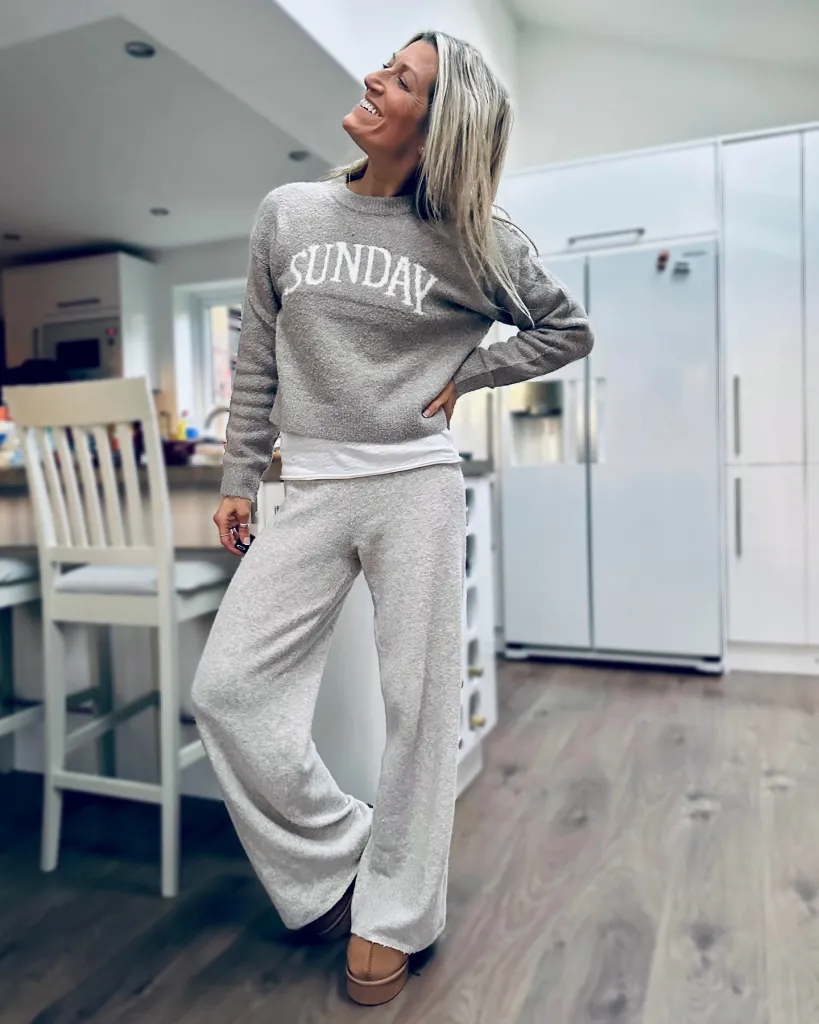
| relaxed fit | loose and casual |
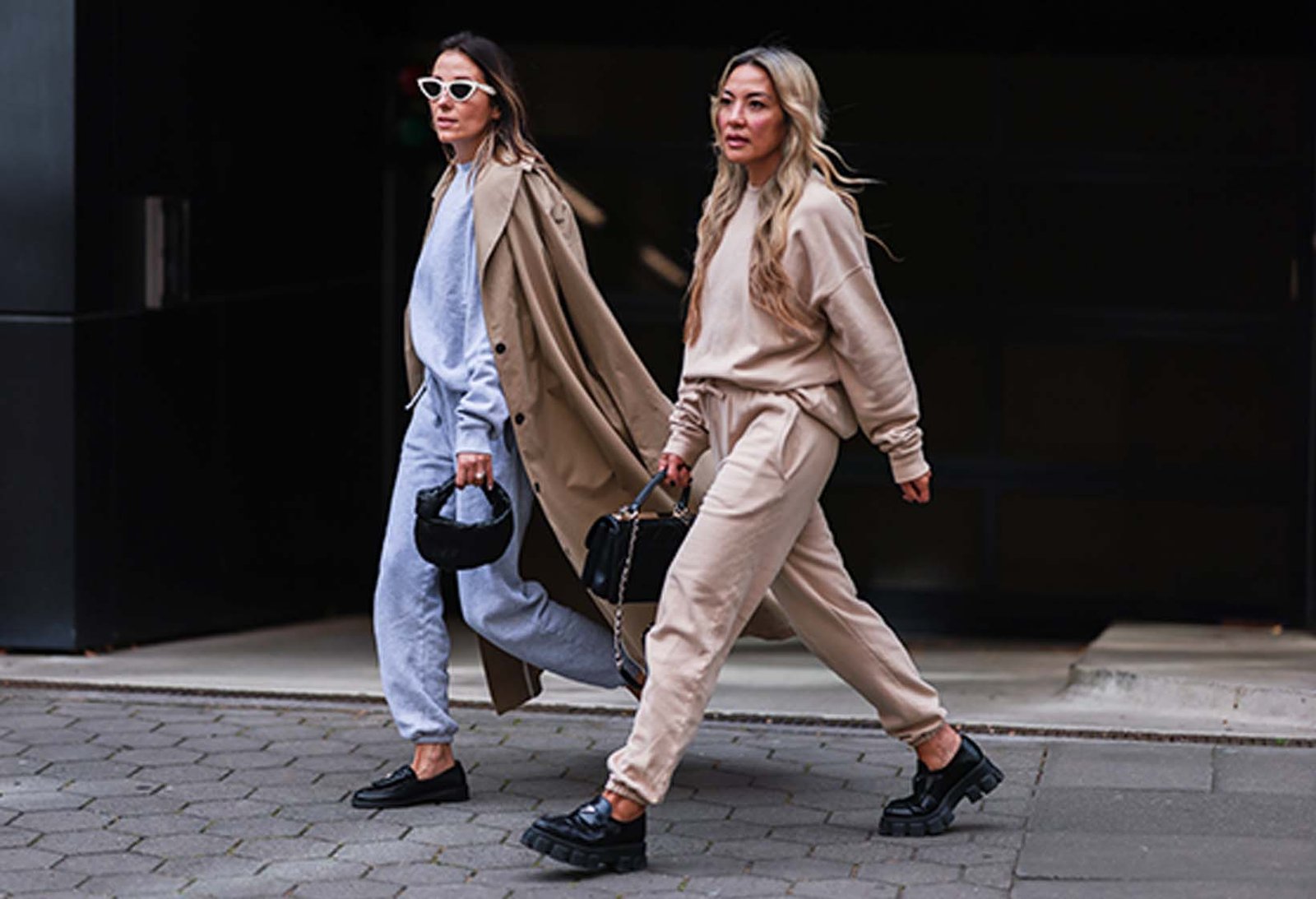
| oversized fit | streetwear style |
Key Fit Elements
- waistband elasticity
- leg tapering
- cuff tightness
- rise (waist height)
Each detail affects how the product feels and fits.
Fit vs Fabric: How They Work Together
From my experience, fabric and fit must align.
| Combination | Result |
|---|---|
| heavy fabric + slim fit | structured look |
| lightweight fabric + relaxed fit | comfort-focused |
| stretch fabric + tapered fit | athletic style |
Mismatch between fabric and fit leads to poor product performance.
Jogger Production Process
Here’s how joggers are typically produced.
Step 1: Design & Tech Pack
Define:
- measurements
- fabric
- details
Step 2: Sampling
Test:
- fit accuracy
- fabric performance
Step 3: Material Sourcing
Select:
- main fabric
- waistband elastic
- trims
Step 4: Bulk Production
Includes:
- cutting
- sewing
- finishing
Step 5: Quality Control
Check:
- stitching quality
- fit consistency
- fabric defects
Manufacturers like Bless Clothing manage this full production workflow.
Customization Options
Customization helps differentiate your joggers.
Common Options
| Type | Example |
|---|---|
| printing | logos or graphics |
| embroidery | premium branding |
| labels | woven tags |
| washes | vintage or soft finish |
Keep customization aligned with your brand identity.
How to Choose the Right Manufacturer
From my experience, focus on these factors:
1. Fit Development Expertise
Joggers require precise pattern making.
2. Fabric Sourcing Ability
Better fabrics = better product perception.
3. Sampling Quality
Strong samples indicate strong production.
4. Production Consistency
Ensure reliable sizing and fabric quality across batches.
Working with partners like Bless Clothing helps maintain consistency.
Common Mistakes to Avoid
Mistake 1: Ignoring Fit Testing
Poor fit leads to high return rates.
Mistake 2: Choosing the Wrong Fabric
Fabric defines comfort and durability.
Mistake 3: Overcomplicating Design
Simple, well-executed joggers perform best.
Mistake 4: Skipping Quality Checks
Inconsistent products damage your brand.
FAQ
What is the best fabric for joggers?
French terry and fleece are the most popular choices.
What fit is most popular?
Slim and relaxed fits are widely used.
How long does jogger production take?
Typically 3–5 weeks depending on complexity.
Can startups produce joggers?
Yes, especially with low MOQ manufacturers.
Final Thoughts
Casual joggers are a key product in modern fashion—but success depends on getting the fundamentals right.
Focus on:
- material quality
- fit precision
- reliable manufacturing
From my experience, brands that succeed with joggers are those that prioritize comfort and consistency over complexity.
If you're planning to develop your jogger line, explore production solutions at Bless Clothing.
A well-made jogger is not just a product—it’s a repeat-sale driver.