
Casual shirts are one of the most versatile products in the apparel industry. From everyday basics to smart-casual styles, they are essential for almost every clothing brand.
From my experience working with apparel manufacturers, casual shirts are also one of the most underestimated products. Many brands think they are simple—but in reality, achieving the right fit, fabric, and finishing requires careful planning.
In this guide, I’ll walk you through how casual shirts are developed and produced, from design to bulk manufacturing, so you can avoid common mistakes and build better products.
Table of Contents
- Quick Answer
- What Defines a Casual Shirt?
- Key Fabric Options for Casual Shirts
- Fabric Comparison Table
- Design Elements That Matter
- Step-by-Step Production Process
- Sampling and Fit Development
- Quality Control in Shirt Manufacturing
- How to Choose a Casual Shirt Manufacturer
- Cost Factors in Shirt Production
- FAQ
- Final Thoughts
Quick Answer
Casual shirt manufacturing involves design planning, fabric selection, sampling, and bulk production.
The typical process includes:
| Step | Description |
|---|---|
| design development | define shirt style and fit |
| fabric sourcing | choose cotton, linen, or blends |
| tech pack creation | detail measurements and construction |
| sampling | test fit and quality |
| bulk production | manufacture at scale |
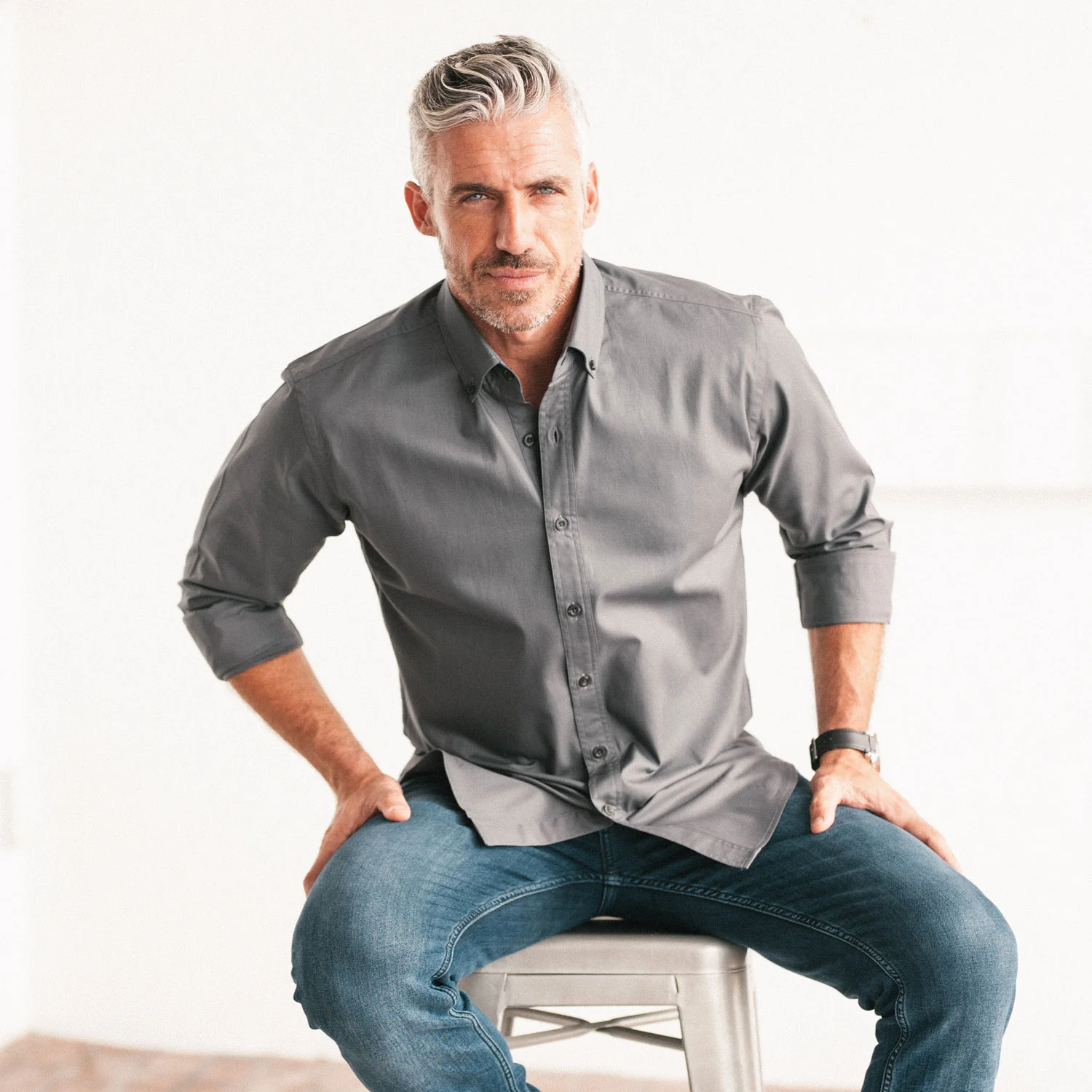
Many brands partner with experienced manufacturers like Bless Clothing to streamline this process.
What Defines a Casual Shirt?
A casual shirt is designed for everyday wear with a relaxed and versatile style.
Compared to formal shirts, casual shirts typically feature:
- softer fabrics
- relaxed fits
- less structured construction
- wider styling flexibility
Common casual shirt styles include:
- button-up shirts
- short-sleeve shirts
- overshirts
- lightweight flannel shirts
These products are widely used in both casualwear and streetwear collections.
Key Fabric Options for Casual Shirts
Fabric selection is one of the most important decisions in shirt manufacturing.
Cotton
Cotton is the most widely used fabric.
Benefits include:
- breathable
- comfortable
- suitable for everyday wear
Linen
Linen is popular for lightweight and summer shirts.
Advantages include:
- excellent breathability
- natural texture
- premium appearance
Cotton Blends
Blended fabrics improve performance.
Benefits include:
- wrinkle resistance
- durability
- easier maintenance
Organizations like Textile Exchange provide useful insights into sustainable fabric sourcing.
Fabric Comparison Table
| Fabric | Weight | Breathability | Best Use |
|---|---|---|---|
| cotton | medium | high | everyday shirts |
| linen | light | very high | summer collections |
| cotton blends | medium | moderate | travel and easy-care shirts |
Choosing the right fabric depends on your target market and seasonality.
Design Elements That Matter
Casual shirt design is all about balancing comfort and style.
Important design elements include:
| Element | Purpose |
|---|---|
| collar style | defines overall look |
| fit (slim/relaxed) | impacts comfort and style |
| button type | functional and aesthetic |
| pocket design | adds utility |
| sleeve length | seasonal variation |
Small design details can significantly affect how the final product looks and feels.
Step-by-Step Production Process
Casual shirt manufacturing follows a structured workflow.
| Stage | Description |
|---|---|
| concept design | define style direction |
| tech pack creation | prepare technical details |
| fabric sourcing | select materials |
| sample development | create prototypes |
| revisions | adjust fit and details |
| bulk production | manufacture final garments |
Factories such as Bless Clothing often support brands through every step of this process.
Sampling and Fit Development
Sampling is critical for achieving the right shirt fit.
During sampling, brands evaluate:
| Factor | Purpose |
|---|---|
| fit accuracy | ensure proper sizing |
| fabric performance | test comfort and durability |
| construction quality | verify stitching and seams |
| design details | confirm styling elements |
Multiple sample rounds are often needed before final approval.
Quality Control in Shirt Manufacturing
Quality control ensures consistency in production.
Key inspection points include:
| Check | Purpose |
|---|---|
| fabric inspection | detect defects |
| stitching quality | ensure durability |
| measurement accuracy | maintain sizing consistency |
| finishing details | check final appearance |
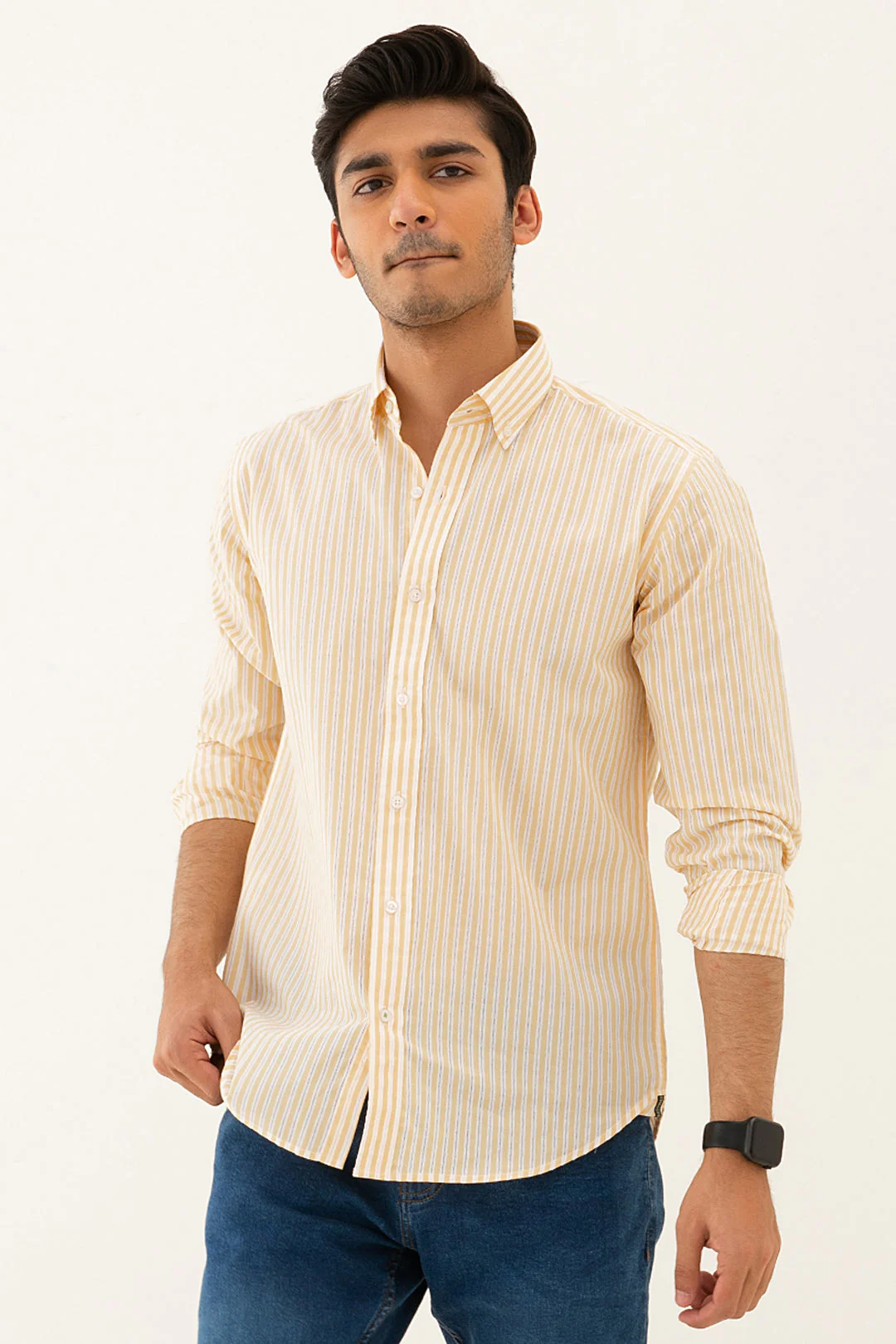
Strong QC processes reduce returns and improve customer satisfaction.
How to Choose a Casual Shirt Manufacturer
Selecting the right manufacturer is crucial.
Brands should evaluate:
| Factor | Importance |
|---|---|
| experience with shirts | ensures product expertise |
| sampling capability | supports development |
| fabric sourcing network | improves quality |
| communication | prevents errors |
Reliable partners such as Bless Clothing help brands produce high-quality shirts efficiently.
Cost Factors in Shirt Production
Several factors influence the cost of manufacturing casual shirts.
| Cost Factor | Description |
|---|---|
| fabric | main cost component |
| labor | sewing and finishing |
| trims | buttons, labels |
| packaging | shipping preparation |
Understanding cost structure helps brands price products correctly.
FAQ
What is the best fabric for casual shirts?
Cotton and cotton blends are the most popular due to comfort and durability.
How long does shirt production take?
Production usually takes 4–6 weeks after sample approval.
Can startup brands produce custom shirts?
Yes. Many manufacturers support small-batch production for new brands.
What makes a high-quality casual shirt?
High-quality shirts have durable stitching, good fabric, and a well-developed fit.
Final Thoughts
Casual shirts may look simple, but producing them at a high level requires attention to detail.
To succeed, brands should focus on:
- selecting the right fabrics
- refining fit through sampling
- working with experienced manufacturers
- maintaining strong quality control
If you're planning to develop casual shirts, you can explore manufacturing solutions at Bless Clothing.
With the right production partner, you can create casual shirts that meet both quality expectations and market demand.