
One of the biggest misunderstandings new clothing brands have about manufacturing is the difference between sampling and bulk production.
Many founders assume that once a design is finished, factories can immediately begin large-scale production. In reality, sampling is a critical stage that happens before bulk manufacturing.
From what I’ve seen across apparel manufacturing workflows, brands that carefully manage the sampling stage usually experience fewer production problems, better product quality, and smoother launches.
In this guide, I’ll explain the key differences between clothing sampling and bulk production, how each stage works, and what clothing brands should prepare for before moving into manufacturing.
Table of Contents
- Quick Answer
- What Clothing Sampling Means
- What Bulk Production Means
- Key Differences Between Sampling and Bulk Production
- The Typical Workflow from Sample to Production
- Why Sampling Is Critical Before Manufacturing
- Costs of Sampling vs Bulk Production
- How Brands Decide When to Move to Production
- Common Mistakes Brands Make
- FAQ
- Final Thoughts
Quick Answer
Clothing sampling and bulk production are two separate stages in apparel manufacturing.
| Stage | Purpose |
|---|---|
| sampling | develop and test the garment |
| bulk production | manufacture large quantities |
Sampling focuses on design validation, while bulk production focuses on efficient manufacturing at scale.
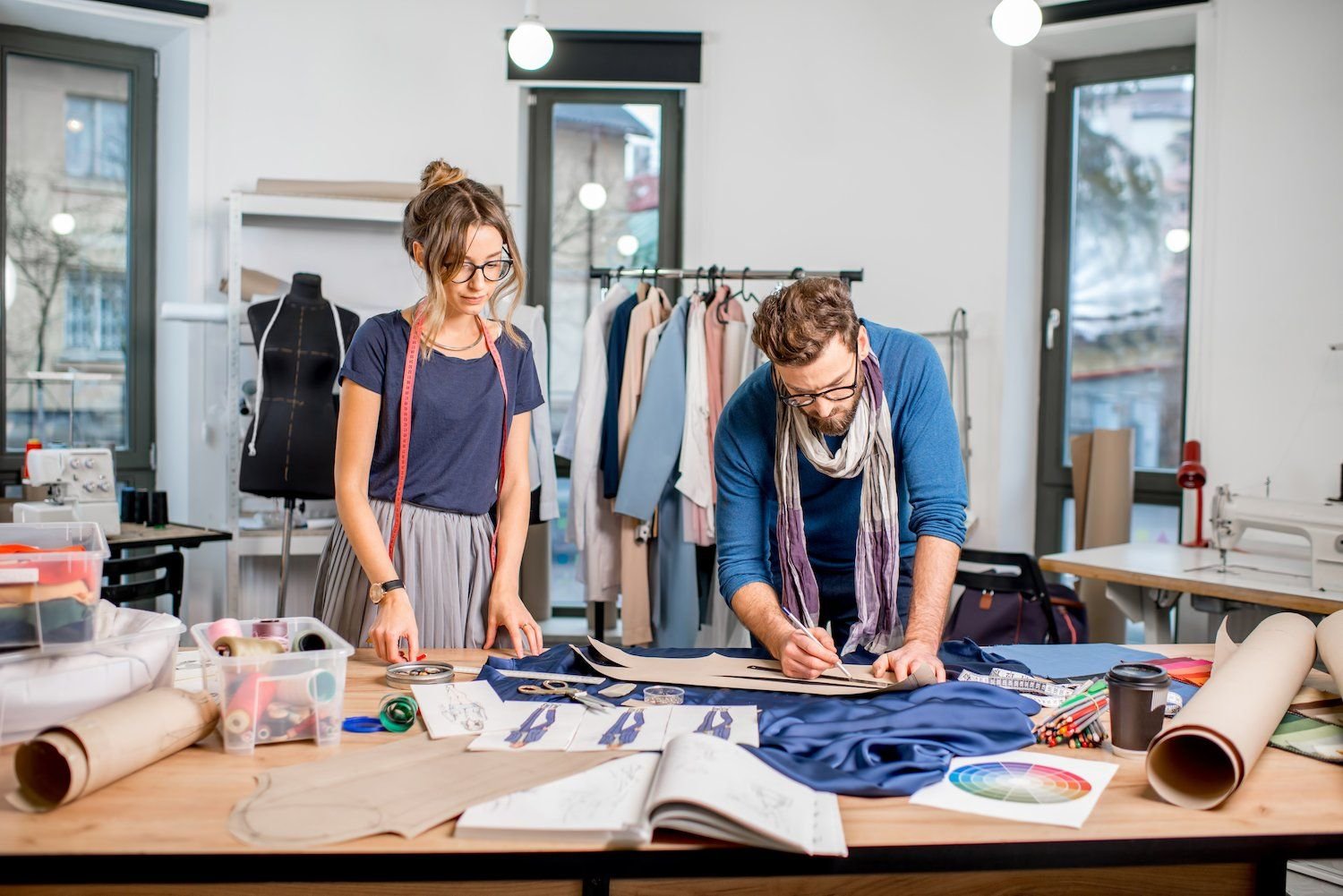
Many clothing brands work with manufacturers like Bless Clothing to complete sample development before moving into full production.
What Clothing Sampling Means
Clothing sampling is the process of producing prototype garments before large-scale manufacturing begins.
The goal of sampling is to test:
- garment fit
- fabric performance
- stitching quality
- branding placement
Factories usually create multiple sample versions until the product meets the brand’s expectations.
Sampling helps brands refine the design before committing to larger production orders.
What Bulk Production Means
Bulk production refers to the large-scale manufacturing of garments after sample approval.
This stage focuses on efficiency and consistency.
Typical production activities include:
| Production Step | Description |
|---|---|
| fabric cutting | preparing garment panels |
| sewing assembly | stitching components |
| trim installation | adding labels, buttons, or zippers |
| finishing | ironing and quality checks |
Bulk production aims to produce hundreds or thousands of garments with consistent quality.
Key Differences Between Sampling and Bulk Production
Sampling and bulk production serve different purposes in the manufacturing process.
| Factor | Sampling | Bulk Production |
|---|---|---|
| goal | test product design | manufacture large quantities |
| quantity | 1–3 garments | hundreds or thousands |
| timeline | short development cycles | scheduled production runs |
| flexibility | easy to modify design | changes become costly |
| cost per unit | higher | lower |
Understanding these differences helps brands plan production more effectively.
The Typical Workflow from Sample to Production
Clothing manufacturing usually follows a structured workflow.
| Stage | Description |
|---|---|
| design development | define product concept |
| tech pack creation | document specifications |
| sample production | create prototype garments |
| sample revisions | adjust fit and details |
| pre-production approval | confirm final design |
| bulk production | manufacture garments |
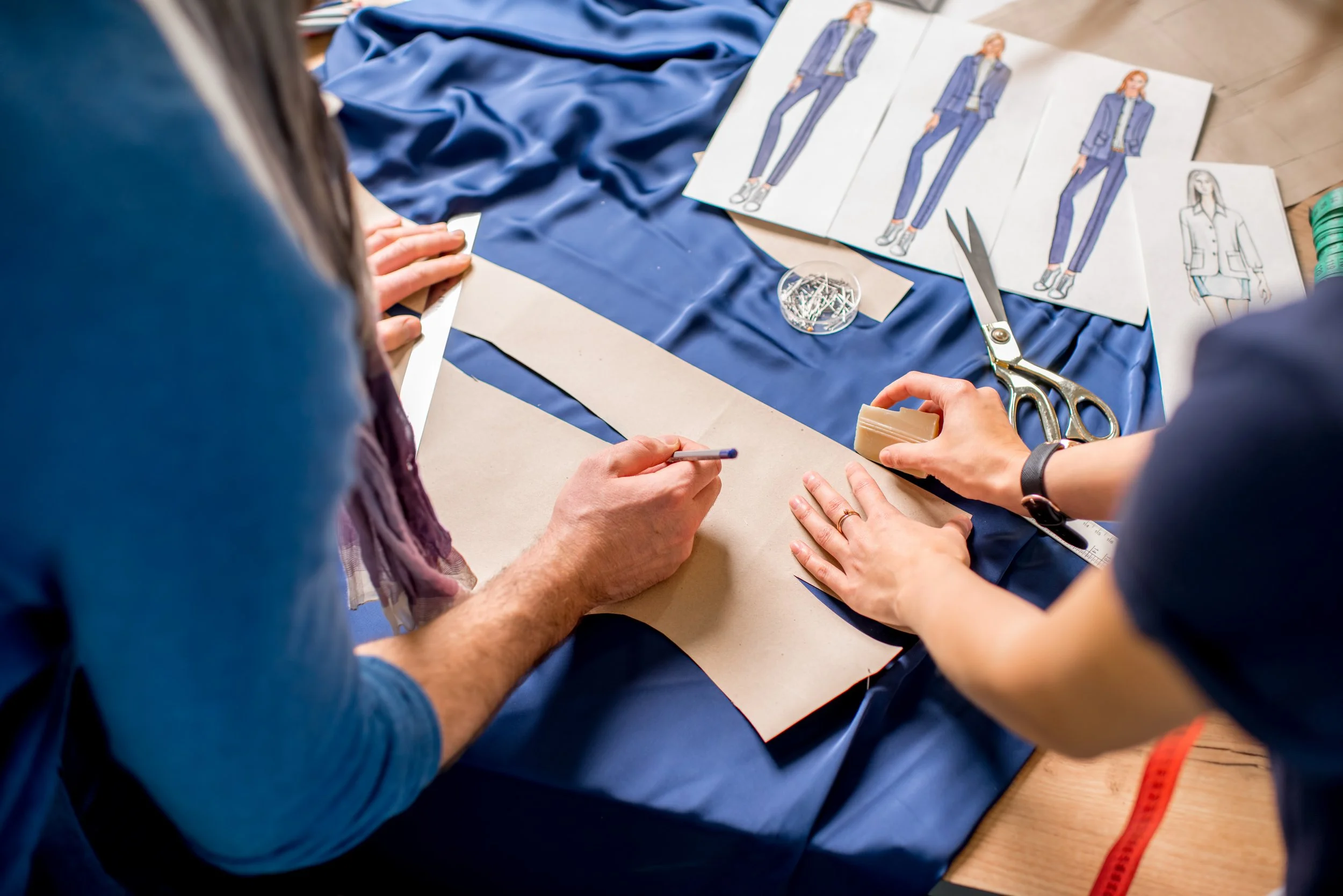
This process ensures that the final product meets design and quality expectations.
Why Sampling Is Critical Before Manufacturing
Skipping the sampling stage can lead to serious production problems.
Benefits of sampling include:
| Benefit | Impact |
|---|---|
| fit verification | ensures proper sizing |
| fabric testing | confirms material performance |
| construction review | improves garment durability |
| branding accuracy | verifies logo placement |
Industry resources such as Textile Exchange provide guidance on textile quality and sourcing that brands often consider during the sampling stage.
Sampling significantly reduces the risk of costly production errors.
Costs of Sampling vs Bulk Production
Sampling and bulk production differ greatly in cost structure.
| Cost Type | Sampling | Bulk Production |
|---|---|---|
| unit cost | high | lower |
| development cost | design adjustments | minimal changes |
| production scale | small quantity | large quantity |
Sampling costs are higher per garment because the production process is not yet optimized.
However, sampling prevents expensive mistakes during bulk production.
How Brands Decide When to Move to Production
Brands typically approve bulk production when:
- the sample fit is correct
- materials meet expectations
- branding details are finalized
- cost estimates are confirmed
Manufacturers such as Bless Clothing often assist brands in reviewing final samples before starting production.
Moving to production too early can create costly inventory issues.
Common Mistakes Brands Make
Many clothing brands encounter similar issues when transitioning from sampling to production.
Rushing the Sampling Process
Skipping revisions often leads to poor product quality.
Changing Designs During Production
Design changes after production begins can be expensive.
Underestimating Production Timelines
Bulk manufacturing requires scheduling and preparation.
Understanding the manufacturing workflow helps brands avoid these problems.
FAQ
How many samples are usually made before production?
Most clothing products go through 2–4 sample revisions before approval.
Is sampling always required before bulk production?
Yes. Sampling ensures that garments meet design and quality standards before manufacturing.
Why is sampling more expensive per garment?
Samples require manual adjustments and smaller production quantities.
Can factories produce clothing without samples?
Technically possible, but it significantly increases production risk.
Final Thoughts
Sampling and bulk production are both essential parts of the clothing manufacturing process.
Sampling helps brands:
- refine product design
- test materials and fit
- reduce production risks
Bulk production then focuses on efficient manufacturing at scale.
Understanding the relationship between these two stages helps clothing brands plan product launches more effectively.
If you're preparing to develop clothing samples or move into production, you can learn more about apparel manufacturing solutions at Bless Clothing.
Working with experienced manufacturing partners helps brands transition smoothly from product development to large-scale production.