
Casual shorts are one of the most underrated but essential products in any apparel collection. They are easy to wear, highly seasonal, and—when done right—extremely profitable for brands.
From my experience working with clothing brands, shorts often succeed or fail based on two things:
fabric choice and production details.
In this guide, I’ll walk you through how custom casual shorts manufacturing works, what fabrics to choose, and how to produce shorts that actually sell.
Table of Contents
- Quick Answer
- What Does a Casual Shorts Manufacturer Do?
- Why Shorts Are a Strong Product Category
- Best Fabrics for Casual Shorts
- Fabric Comparison Table
- Shorts Design & Fit Considerations
- Production Process Explained
- Customization Options
- Cost Breakdown
- How to Choose the Right Manufacturer
- Common Mistakes to Avoid
- FAQ
- Final Thoughts
Quick Answer
A custom casual shorts manufacturer helps brands:
| Area | Impact |
|---|---|
| fabric selection | comfort & performance |
| fit development | better wearability |
| production quality | consistent results |
| scalability | business growth |
Many brands partner with Bless Clothing to produce casual shorts with reliable quality and flexible MOQ.
What Does a Casual Shorts Manufacturer Do?
A shorts manufacturer handles:
- pattern development
- fabric sourcing
- sampling
- bulk production
- quality control
Unlike basic suppliers, they focus on fit precision, fabric performance, and durability, which are critical for shorts.
Why Shorts Are a Strong Product Category
1. Seasonal Demand
Shorts are essential for:
- spring
- summer
2. High Volume Sales
Shorts are often:
- impulse purchases
- repeat buys
3. Simple Production
Compared to jackets or knitwear, shorts are easier to produce.
4. Versatility
They fit into:
- casualwear
- sportswear
- streetwear
Best Fabrics for Casual Shorts
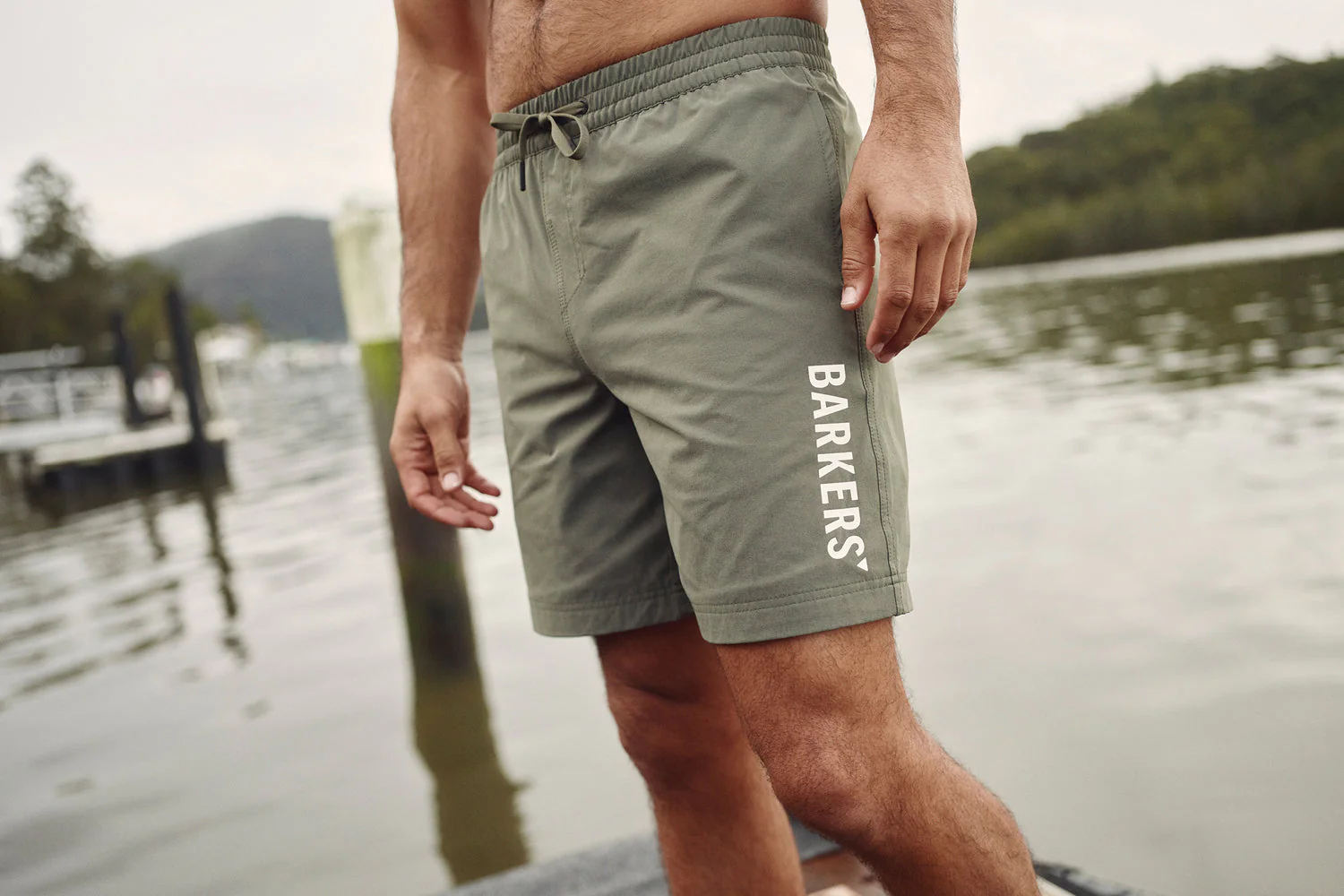
Fabric selection determines comfort and positioning.
Common Fabrics
| Fabric | Features |
|---|---|
| cotton twill | structured and durable |
| French terry | soft and casual |
| nylon | lightweight and sporty |
| cotton blends | balanced comfort and cost |
Key Fabric Factors
- breathability → summer comfort
- durability → long-term wear
- stretch → movement flexibility
For fabric standards and sustainability insights, explore Textile Exchange.
Fabric Comparison Table
| Fabric Type | Best Use | Pros | Cons |
|---|---|---|---|
| cotton twill | everyday shorts | durable | less stretch |
| French terry | casual shorts | soft | heavier |
| nylon | active shorts | lightweight | less natural feel |
| blends | versatile use | balanced | varies in quality |
Choosing the right fabric depends on your target market.
Shorts Design & Fit Considerations
Fit is crucial for shorts performance.
Key Design Elements
| Element | Impact |
|---|---|
| waistband | comfort and fit |
| length | style positioning |
| leg opening | mobility |
| pockets | functionality |
Popular Fit Types
- slim fit → modern look
- relaxed fit → comfort-focused
- athletic fit → performance
From my experience, fit consistency drives repeat purchases.
Production Process Explained
Here’s how custom shorts are produced.
Step 1: Design & Tech Pack
Define:
- measurements
- fabric
- details
Step 2: Sampling
Test:
- fit
- fabric feel
- construction
Step 3: Fabric Sourcing
Choose materials based on:
- performance
- cost
Step 4: Bulk Production
Includes:
- cutting
- sewing
- finishing
Step 5: Quality Control
Check:
- stitching
- sizing
- fabric defects
Manufacturers like Bless Clothing manage this entire workflow.
Customization Options
Customization adds brand identity.
Common Options
| Type | Example |
|---|---|
| printing | logos or graphics |
| embroidery | premium branding |
| labels | woven tags |
| trims | zippers, drawstrings |
Keep customization aligned with your product positioning.
Cost Breakdown
Shorts production costs depend on:
| Factor | Impact |
|---|---|
| fabric | main cost driver |
| complexity | affects labor |
| customization | adds cost |
| MOQ | impacts unit price |
Shorts are generally cost-efficient compared to heavier garments.
How to Choose the Right Manufacturer
From my experience, focus on:
1. Fit Development Expertise
Shorts require precise pattern making.
2. Fabric Sourcing Ability
Better materials = better product perception.
3. Sampling Quality
Strong samples indicate reliable production.
4. Production Consistency
Ensure stable sizing and quality across batches.
Working with partners like Bless Clothing helps maintain consistency.
Common Mistakes to Avoid
Mistake 1: Choosing the Wrong Fabric
Leads to poor comfort and performance.
Mistake 2: Ignoring Fit Testing
Fit issues lead to high return rates.
Mistake 3: Overcomplicating Design
Simple designs scale better.
Mistake 4: Skipping Quality Checks
Inconsistent products damage your brand.
FAQ
What is the best fabric for casual shorts?
Cotton twill and French terry are popular choices.
What length is most popular?
Mid-length (above the knee) works for most markets.
How long does production take?
Typically 3–5 weeks depending on complexity.
Can startups produce custom shorts?
Yes, especially with low MOQ manufacturers.
Final Thoughts
Custom casual shorts are a powerful category for any clothing brand.
Success depends on:
- fabric selection
- fit precision
- reliable production
From my experience, brands that win in this category focus on comfort, simplicity, and consistency.
If you're planning to develop your shorts collection, explore production solutions at Bless Clothing.
A well-made pair of shorts is not just seasonal—it’s a repeat-sale product.