
Hoodies are one of the most important products in modern casual fashion. They are versatile, high-demand, and easy to scale—but producing a great hoodie is more complex than it looks.
From my experience working with fashion brands, hoodies often determine whether a brand feels premium or cheap. The difference comes down to fabric, fit, and manufacturing quality.
In this guide, I’ll walk you through everything you need to know about working with a custom hoodie manufacturer—from materials to production and scaling.
Table of Contents
- Quick Answer
- What Does a Custom Hoodie Manufacturer Do?
- Key Hoodie Components Explained
- Fabric Options for Hoodies
- Hoodie Production Process
- Customization Options
- Cost Breakdown
- How to Choose the Right Manufacturer
- Common Mistakes to Avoid
- FAQ
- Final Thoughts
Quick Answer
A custom hoodie manufacturer helps brands:
| Function | Result |
|---|---|
| develop hoodie designs | unique products |
| source fabrics | better quality |
| produce in bulk | scalable growth |
| ensure quality control | consistent output |
Many brands partner with Bless Clothing to produce custom hoodies with reliable quality and flexible production.
What Does a Custom Hoodie Manufacturer Do?
A custom hoodie manufacturer is responsible for:
- pattern development
- fabric sourcing
- sampling
- bulk production
- quality control

Unlike basic suppliers, they help you create brand-specific hoodie products, not just generic items.
Key Hoodie Components Explained
Understanding hoodie construction is essential.
| Component | Purpose |
|---|---|
| fabric | comfort and durability |
| hood | shape and structure |
| drawstrings | adjustability |
| ribbing | fit retention |
| stitching | strength and finish |
Each component affects both quality and cost.
Fabric Options for Hoodies
Fabric is the most important factor in hoodie production.
Common Fabric Types
| Fabric | Features |
|---|---|
| cotton fleece | soft and warm |
| French terry | breathable and lightweight |
| cotton-poly blend | durable and cost-effective |
Fabric Weight (GSM)
| Weight | Use Case |
|---|---|
| 280–320 GSM | lightweight hoodies |
| 320–380 GSM | standard hoodies |
| 380–450 GSM | premium heavy hoodies |
Choosing the right fabric defines your product positioning.
For fabric insights, brands can explore Textile Exchange.
Hoodie Production Process
Here’s how custom hoodie production typically works.
Step 1: Design & Tech Pack
Define:
- measurements
- fabric
- details
Step 2: Sampling
Test:
- fit
- fabric feel
- construction
Step 3: Fabric Sourcing
Select:
- base fabric
- trims
- accessories
Step 4: Bulk Production
Includes:
- cutting
- sewing
- finishing
Step 5: Quality Control
Check:
- stitching
- sizing
- consistency
Manufacturers like Bless Clothing manage this full workflow.
Customization Options
Customization is what makes your hoodie unique.
Common Options
| Type | Example |
|---|---|
| printing | screen print, DTG |
| embroidery | logos and details |
| labels | woven or printed tags |
| washes | vintage or washed effects |
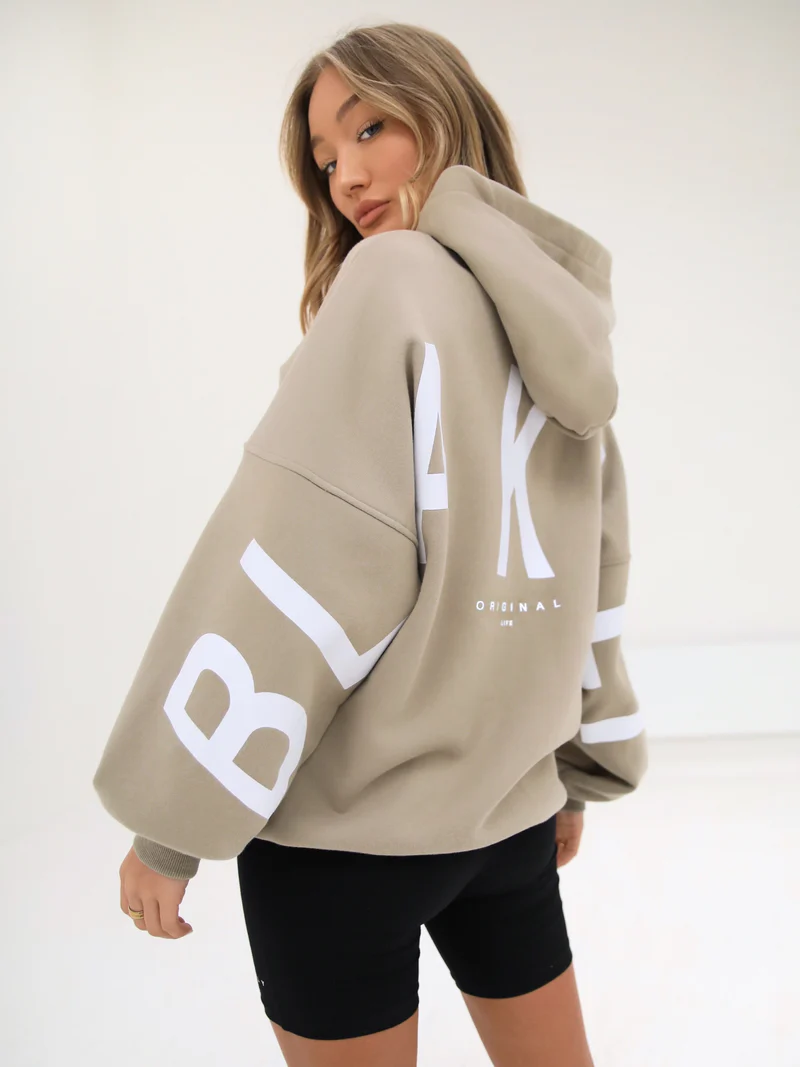
Customization should match your brand identity—not overcomplicate it.
Cost Breakdown
Hoodie production costs depend on several factors.
| Factor | Impact |
|---|---|
| fabric | main cost driver |
| weight (GSM) | higher GSM = higher cost |
| customization | printing/embroidery adds cost |
| MOQ | affects unit price |
Balancing quality and cost is key to profitability.
How to Choose the Right Manufacturer
From my experience, these factors matter most:
1. Hoodie Expertise
Look for factories with:
- proven hoodie production experience
- strong sampling capability
2. Fabric Access
Better sourcing leads to:
- better product quality
- competitive pricing
3. Production Consistency
Ensure they can maintain:
- sizing accuracy
- fabric consistency
4. Scalability
Your manufacturer should grow with your brand.
Working with experienced partners like Bless Clothing helps ensure reliable production.
Common Mistakes to Avoid
Mistake 1: Choosing the Wrong Fabric
This affects comfort and brand perception.
Mistake 2: Ignoring Fit Development
Fit is critical for customer satisfaction.
Mistake 3: Overdesigning
Too many details increase cost and complexity.
Mistake 4: Skipping Sampling
Always test before bulk production.
FAQ
What is the best fabric for hoodies?
Cotton fleece and French terry are the most popular choices.
What is a good GSM for hoodies?
320–400 GSM is ideal for most casualwear brands.
How long does hoodie production take?
Typically 3–6 weeks depending on complexity.
Can startups produce custom hoodies?
Yes, especially with low MOQ manufacturers.
Final Thoughts
Custom hoodies are a core product for many fashion brands—but success depends on execution.
Focus on:
- fabric quality
- fit consistency
- reliable manufacturing
From my experience, the brands that win in this category are the ones that get the basics right and scale strategically.
If you're ready to develop your hoodie line, explore production solutions at Bless Clothing.
A great hoodie is not just a product—it’s a brand signature.