
Loungewear has evolved from simple homewear into a core category in modern fashion. Today’s consumers expect loungewear to be comfortable, stylish, and versatile enough for both indoor and outdoor use.
From my experience working with clothing brands, loungewear is one of the easiest categories to scale—but only if you get fabric selection, fit, and manufacturing right.
In this guide, I’ll walk you through how custom loungewear manufacturing works and how brands can build successful product lines in this fast-growing category.
Table of Contents
- Quick Answer
- What Does a Loungewear Manufacturer Do?
- Why Loungewear Is a High-Growth Category
- Key Materials for Loungewear
- Loungewear Product Types
- Production Process Explained
- Customization Options
- Cost Structure
- How to Choose the Right Manufacturer
- Common Mistakes to Avoid
- FAQ
- Final Thoughts
Quick Answer
A custom loungewear manufacturer helps brands:
| Function | Result |
|---|---|
| develop product designs | comfortable & stylish pieces |
| select fabrics | better wear experience |
| produce in bulk | scalable collections |
| ensure quality | consistent products |
Many brands work with Bless Clothing to develop custom loungewear collections with reliable production.
What Does a Loungewear Manufacturer Do?
A loungewear manufacturer is responsible for:
- pattern development
- fabric sourcing
- sampling
- bulk production
- quality control
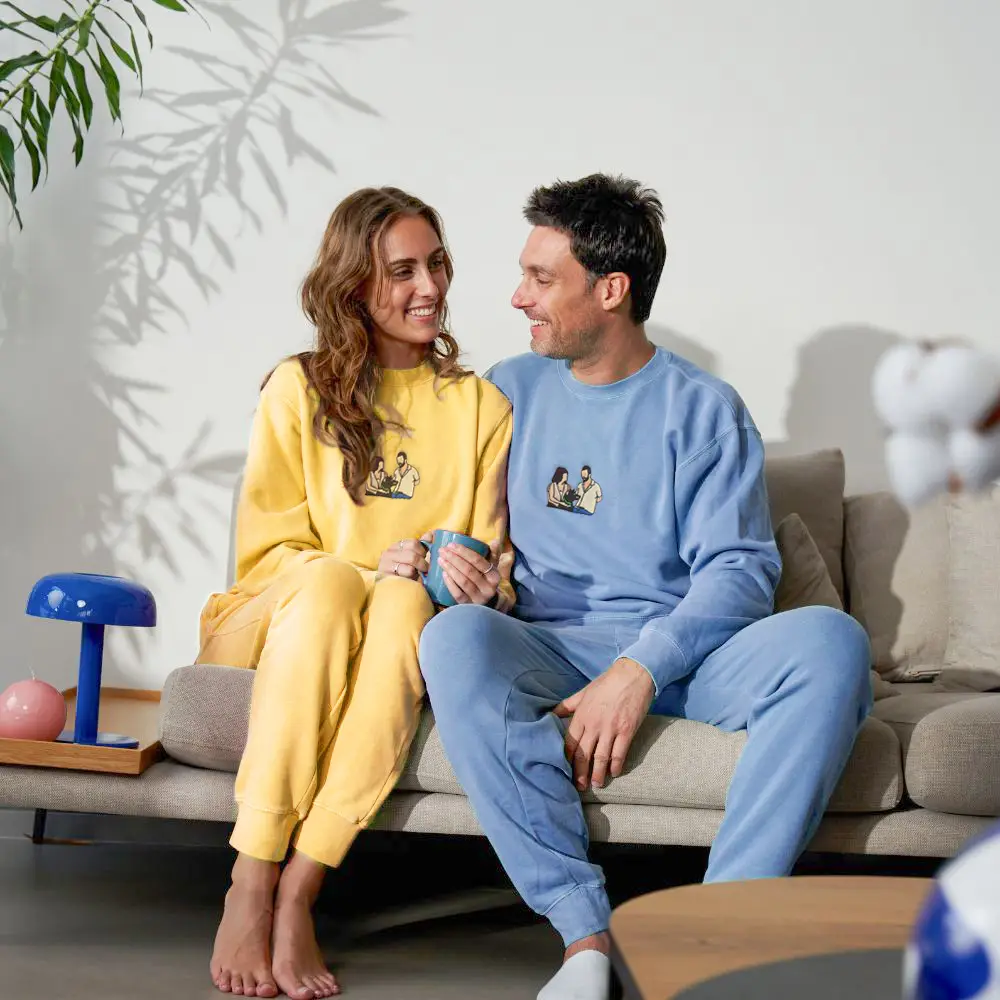
Unlike standard garment suppliers, they focus on comfort-driven products, where fabric and fit are critical.
Why Loungewear Is a High-Growth Category
1. Lifestyle Changes
Consumers want clothing that works for:
- home
- travel
- casual outings
2. Comfort-First Trends
Comfort is now a key purchasing factor.
3. Versatility
Loungewear overlaps with:
- casualwear
- athleisure
4. Repeat Purchase Potential
Comfort products often lead to:
- higher customer retention
- repeat sales
Industry insights from McKinsey & Company highlight the growing demand for comfort-driven apparel.
Key Materials for Loungewear
Material selection is the most important factor in loungewear.
Common Fabrics
| Fabric | Features |
|---|---|
| cotton jersey | soft and breathable |
| modal | ultra-soft and smooth |
| bamboo fabric | eco-friendly and lightweight |
| fleece | warm and cozy |
Key Material Factors
- softness → customer comfort
- breathability → everyday wear
- stretch → flexibility
For sustainability insights, brands can explore Textile Exchange.
Loungewear Product Types
Brands typically develop these products.
| Category | Example |
|---|---|
| tops | T-shirts, long sleeves |
| bottoms | joggers, shorts |
| sets | matching loungewear sets |
| outer layers | lightweight hoodies |
These products form the foundation of scalable collections.
Production Process Explained
Here’s how loungewear production works.
Step 1: Design & Planning
Define:
- product type
- fabric
- fit
Step 2: Sampling
Test:
- softness
- fit
- comfort
Step 3: Fabric Sourcing
Select materials that match your brand positioning.
Step 4: Bulk Production
Includes:
- cutting
- sewing
- finishing
Step 5: Quality Control
Check:
- fabric consistency
- stitching quality
- fit accuracy
Manufacturers like Bless Clothing manage this full process.
Customization Options
Customization helps differentiate your loungewear.
Common Options
| Type | Example |
|---|---|
| printing | logos or graphics |
| embroidery | premium branding |
| labels | custom tags |
| fabric upgrades | softer or eco fabrics |
Keep designs simple to maintain comfort and scalability.
Cost Structure
Loungewear production costs depend on:
| Factor | Impact |
|---|---|
| fabric | main cost driver |
| fabric quality | affects price |
| customization | adds cost |
| MOQ | impacts unit price |
Balancing comfort and cost is key.
How to Choose the Right Manufacturer
From my experience, focus on:
1. Fabric Expertise
Loungewear is fabric-driven.
2. Fit Development
Comfort requires accurate pattern making.
3. Sampling Quality
Strong samples indicate reliable production.
4. Production Consistency
Ensure consistent quality across batches.
Working with partners like Bless Clothing helps maintain reliability.
Common Mistakes to Avoid
Mistake 1: Using Low-Quality Fabrics
Reduces comfort and brand value.
Mistake 2: Ignoring Fit Testing
Poor fit leads to customer dissatisfaction.
Mistake 3: Overdesigning Products
Simplicity works best in loungewear.
Mistake 4: Choosing the Wrong Manufacturer
Leads to inconsistent quality.
FAQ
What is the best fabric for loungewear?
Cotton, modal, and bamboo fabrics are popular choices.
Is loungewear profitable?
Yes, due to high demand and repeat purchases.
How long does production take?
Typically 3–5 weeks depending on complexity.
Can startups produce loungewear?
Yes, especially with low MOQ manufacturers.
Final Thoughts
Custom loungewear is one of the most scalable categories in modern fashion.
Success depends on:
- fabric quality
- fit comfort
- reliable manufacturing
From my experience, brands that focus on comfort and consistency build stronger customer loyalty.
If you're planning to launch your loungewear line, explore production solutions at Bless Clothing.
Comfort-driven products are not just a trend—they are the future of casual fashion.