
1## Table of Contents
- Quick Answer
- What Does a Pajama Manufacturer Actually Do?
- Types of Pajamas You Can Customize
- Best Fabrics for Pajama Production
- Pajama Manufacturing Process (Step-by-Step)
- MOQ, Cost & Timeline Explained
- How to Choose the Right Pajama Manufacturer
- Common Mistakes Brands Make
- Factory Comparison Table
- FAQs
- Work With a Reliable Pajama Manufacturer
Quick Answer
A custom pajama manufacturer helps clothing brands design, sample, and produce sleepwear collections with full control over:
- Fabric selection (cotton, bamboo, satin, etc.)
- Fit and sizing
- Branding (labels, packaging, logos)
- Bulk production consistency
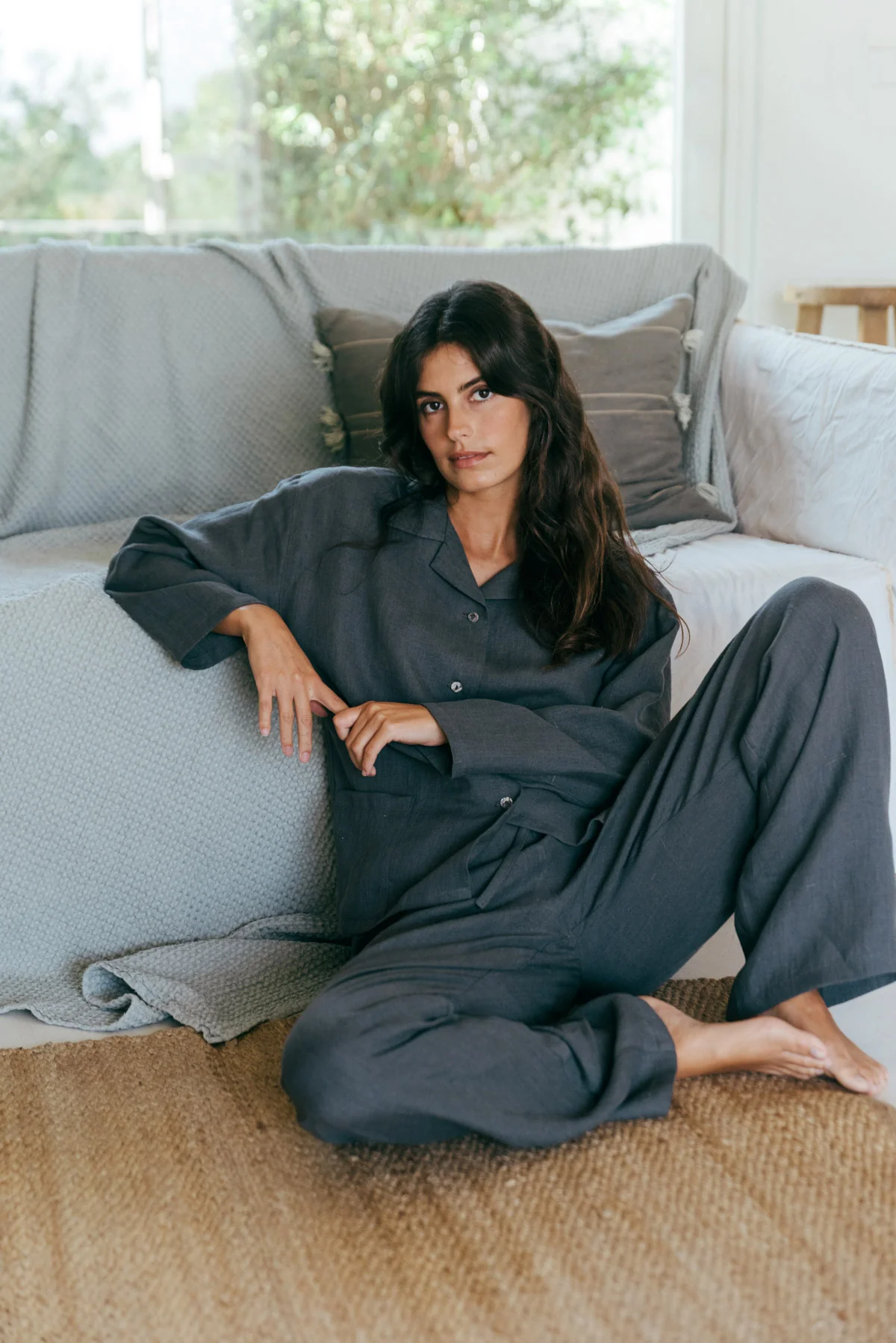
If you’re starting or scaling a brand, the right manufacturer will reduce risk, control quality, and speed up your launch timeline.
What Does a Pajama Manufacturer Actually Do?
From my experience working with apparel factories, a pajama manufacturer is not just a “supplier”—they are a production partner.
Core services include:
- Product development (patterns + tech packs)
- Fabric sourcing
- Sampling & revisions
- Bulk production
- Quality control (AQL standards)
- Packaging & logistics
👉 If you're building a full collection, working with an experienced OEM/ODM partner like Bless Clothing can simplify the entire process.
Types of Pajamas You Can Customize
Different markets demand different pajama styles. Here are the most common categories:
1. Classic Two-Piece Sets
- Button-up tops + long pants
- Popular in US & EU retail
2. Loungewear Pajamas
- Relaxed fit, multi-purpose (home + casual wear)
- High demand for DTC brands
3. Bamboo Pajamas
- Soft, breathable, eco-friendly
- Strong growth in sustainable fashion
4. Satin / Silk Pajamas
- Premium positioning
- Ideal for luxury branding
5. Seasonal Pajamas
- Flannel (winter)
- Lightweight cotton/modal (summer)

Best Fabrics for Pajama Production
Choosing the right fabric is where many brands fail. Here's a practical breakdown:
| Fabric | Feel | Best For | Price Level |
|---|---|---|---|
| Cotton | Soft & breathable | Everyday pajamas | Low |
| Bamboo | Ultra-soft & eco | Premium sustainable brands | Medium |
| Modal | Smooth & stretchy | Loungewear | Medium |
| Satin | Silky & glossy | Luxury sleepwear | Medium-High |
| Flannel | Warm & cozy | Winter collections | Medium |
👉 For sustainability positioning, you can reference standards like OEKO-TEX® for certified fabrics.
Pajama Manufacturing Process (Step-by-Step)
This is how a professional factory typically handles production:
1. Concept & Design
- Define style, fit, and fabric
- Create tech pack or reference sample
2. Sample Development
- 1–2 rounds of sampling
- Fit + fabric testing
3. Material Sourcing
- Fabric dyeing & trims preparation
- Label customization
4. Bulk Production
- Cutting → Sewing → Finishing
5. Quality Control
- Inline + final inspection (AQL)
6. Packaging & Shipping
- Custom packaging
- Global delivery (DDP or FOB)
MOQ, Cost & Timeline Explained
This is one of the most asked questions.
Typical Pajama Production Metrics:
| Item | Standard Range |
|---|---|
| MOQ | 100–300 pcs/style |
| Sample Time | 7–10 days |
| Bulk Time | 25–35 days |
| Price | Depends on fabric + complexity |
Key Insight:
- Lower MOQ = higher unit cost
- Complex fabrics (bamboo, satin) increase cost
- Custom prints/logos add setup fees
How to Choose the Right Pajama Manufacturer
From real factory experience, here’s what actually matters:
✅ 1. Low MOQ Flexibility
- Important for startups testing the market
✅ 2. Fabric Capability
- Can they source bamboo, modal, or custom blends?
✅ 3. Sampling Speed
- Fast sampling = faster launch
✅ 4. Communication Quality
- Clear updates prevent production errors
✅ 5. Quality Control System
- Ask about AQL inspection standards
Quick Decision Guide
| Your Situation | Recommended Factory Type |
|---|---|
| Startup brand | Low MOQ manufacturer |
| Scaling brand | Full-package OEM factory |
| Premium positioning | Fabric-specialized factory |
Common Mistakes Brands Make
I’ve seen these issues repeatedly:
- Choosing fabric based on price, not feel
- Approving samples too quickly
- Ignoring shrinkage & wash tests
- Not standardizing sizing charts
- Over-customizing first order
👉 The result? Delays, inconsistent quality, and returns.
Factory Comparison Table
| Factor | Low-Cost Supplier | Professional Manufacturer |
|---|---|---|
| MOQ | Very low | Flexible (100–300 pcs) |
| Fabric Options | Limited | Wide (custom sourcing) |
| Quality Control | Basic | AQL system |
| Communication | Inconsistent | Structured & responsive |
| Branding Support | Minimal | Full private label |
FAQs
1. What is the best fabric for pajamas?
Cotton for affordability, bamboo for premium comfort, and satin for luxury positioning.
2. Can I start with low MOQ?
Yes. Many manufacturers offer 100 pcs per style to support startups.
3. How long does production take?
Typically 3–5 weeks after sample approval.
4. Can I fully customize pajamas?
Yes—fabric, color, logo, labels, packaging, and fit.
5. Are eco-friendly pajamas in demand?
Yes, especially bamboo and organic cotton products.
Work With a Reliable Pajama Manufacturer
If you're serious about building a pajama or loungewear brand, the manufacturer you choose will directly impact your:
- Product quality
- Brand positioning
- Profit margins
Working with an experienced partner like 👉 Bless Clothing allows you to:
- Start with low MOQ
- Customize fabrics & branding
- Scale production smoothly
Final Insight
A good pajama manufacturer doesn’t just produce garments—they help you build a repeatable product system.
And that’s what separates successful brands from failed ones.