
Polo shirts sit at the intersection of casualwear and smart everyday fashion. They are more structured than T-shirts but still relaxed enough for daily wear, which is why many fashion brands include polos in their collections.
However, producing a high-quality polo shirt requires careful attention to fabric choice, collar construction, stitching quality, and consistent sizing.
From what I’ve seen working around casualwear manufacturing workflows, brands that succeed with polo shirts usually focus on fit development, material quality, and selecting experienced manufacturing partners.
In this guide, I’ll explain how custom polo shirts are manufactured, what fashion brands should look for in a manufacturer, and how to develop polos that perform well in the market.
Table of Contents
- Quick Answer
- What a Custom Polo Shirt Manufacturer Does
- Why Polo Shirts Are Popular in Fashion Brands
- Types of Polo Shirts Brands Produce
- Step-by-Step Polo Shirt Production Process
- Fabrics Used in Polo Shirts
- Customization Options for Polo Shirts
- Quality Control in Polo Shirt Manufacturing
- How to Choose the Right Polo Shirt Manufacturer
- FAQ
- Final Thoughts
Quick Answer
A custom polo shirt manufacturer helps fashion brands design and produce polos through several structured stages.
| Stage | Purpose |
|---|---|
| product design | define polo style |
| pattern development | create garment structure |
| fabric sourcing | choose knit materials |
| sample production | test fit and quality |
| bulk manufacturing | produce garments |
| quality inspection | ensure consistency |
Many fashion brands partner with experienced manufacturers like Bless Clothing to produce custom polo shirts that meet both quality and brand identity standards.
What a Custom Polo Shirt Manufacturer Does
A polo shirt manufacturer works with fashion brands to transform design concepts into finished garments.
Typical services include:
- garment pattern development
- fabric sourcing
- sample production
- bulk manufacturing
- quality inspection
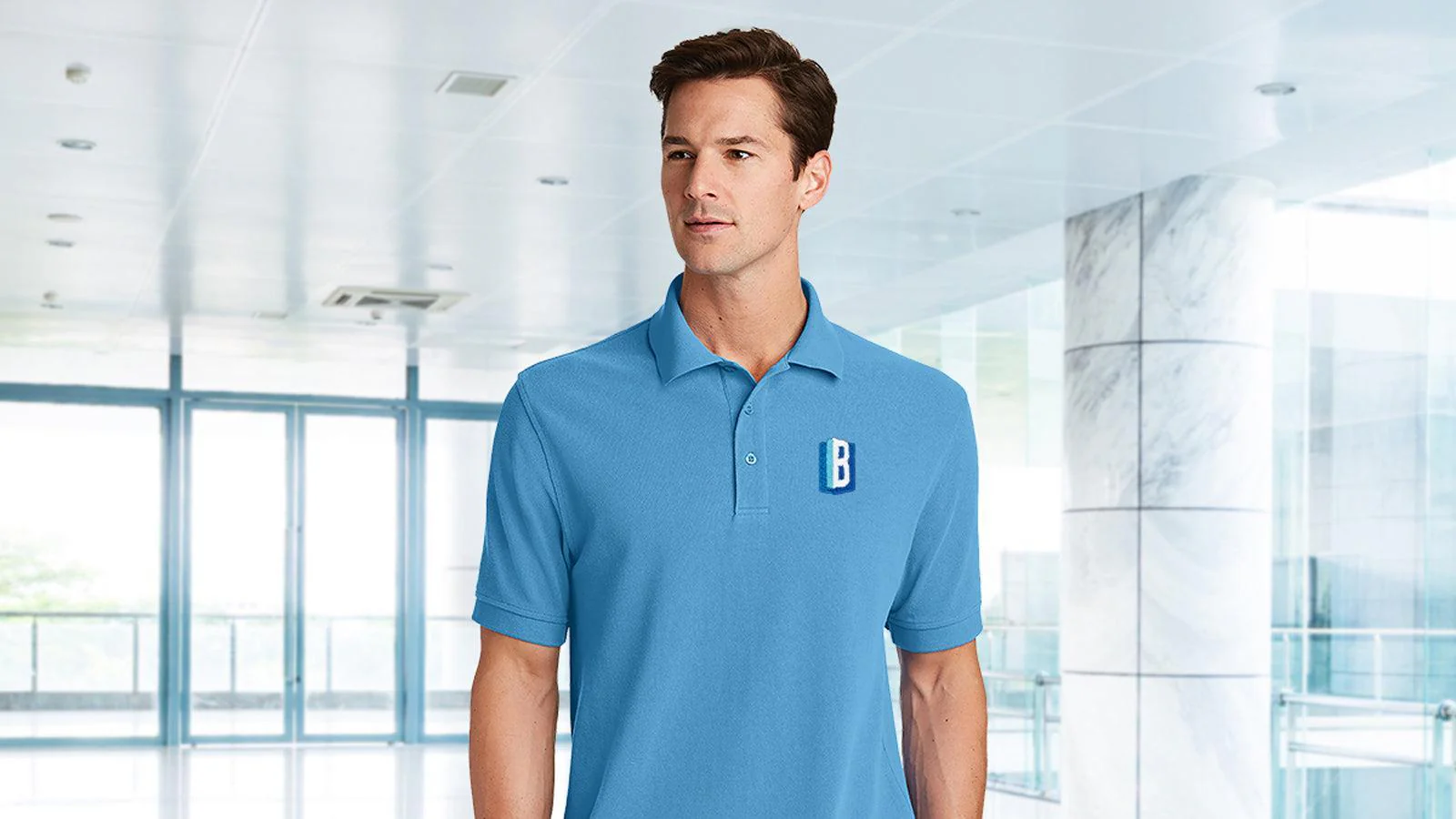
Manufacturers also help brands refine product specifications to improve comfort, durability, and scalability in production.
Why Polo Shirts Are Popular in Fashion Brands
Polo shirts remain a staple because they combine casual comfort with a refined appearance.
Advantages of polo shirts include:
| Benefit | Explanation |
|---|---|
| versatile style | suitable for many occasions |
| structured look | more polished than T-shirts |
| breathable fabrics | comfortable for daily wear |
| brand-friendly design | easy to customize |
This versatility makes polo shirts popular in both fashion and lifestyle clothing brands.
Types of Polo Shirts Brands Produce
Fashion brands often produce different variations of polo shirts depending on their target audience.
| Polo Type | Description |
|---|---|
| classic polo | traditional collar and button placket |
| slim-fit polo | modern tailored silhouette |
| oversized polo | relaxed fashion style |
| performance polo | moisture-wicking athletic fabric |
| knitted polo | fashion-focused premium design |
Each variation requires different materials and construction techniques.
Step-by-Step Polo Shirt Production Process
Manufacturing polo shirts involves multiple production stages.
1. Product Design
Brands begin by defining the polo’s design details.
Important elements include:
- collar type
- sleeve style
- placket design
- logo placement
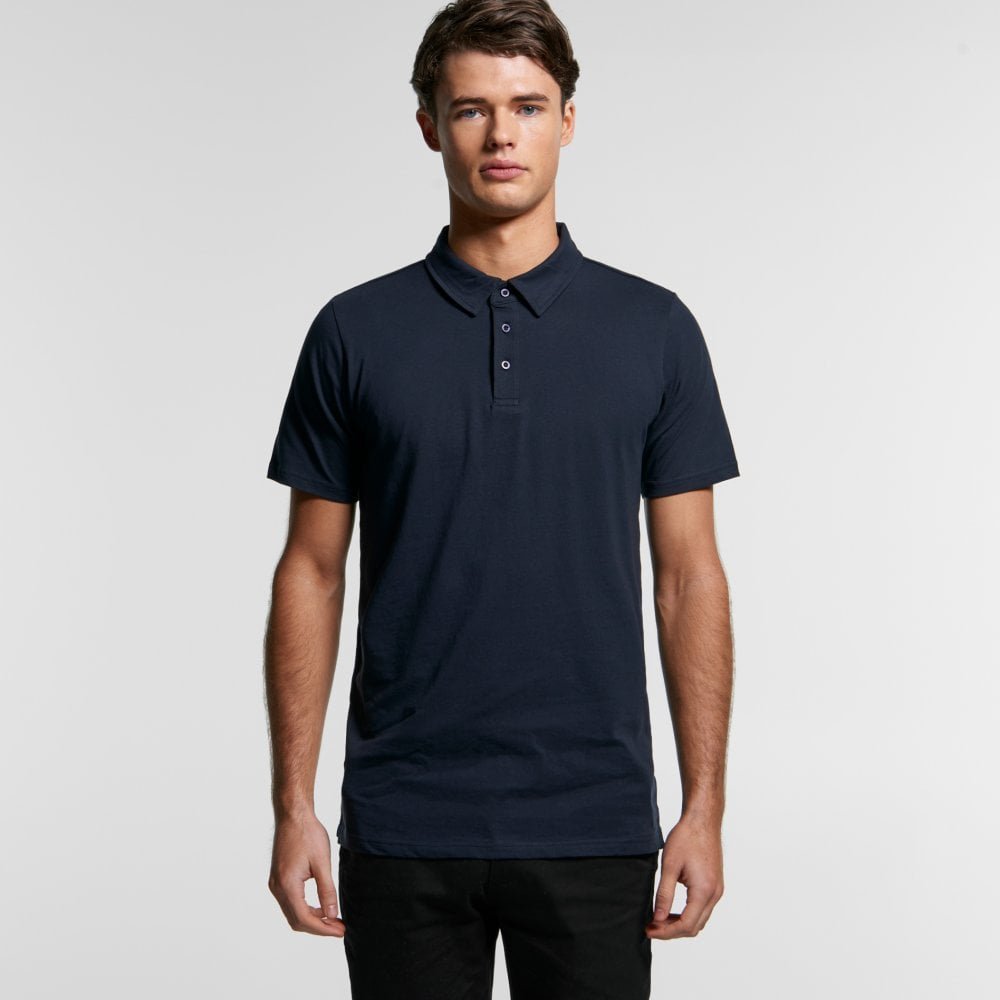
Design information is usually documented in a tech pack.
2. Pattern Development
Pattern makers create templates that determine the garment structure.
Patterns define:
- body shape
- sleeve dimensions
- collar construction
Accurate patterns ensure consistent sizing across production runs.
3. Fabric Sourcing
Most polo shirts use knit fabrics, which provide stretch and comfort.
Common polo fabrics include:
| Fabric | Characteristics |
|---|---|
| cotton pique | classic textured polo fabric |
| cotton jersey | soft and smooth |
| cotton blends | improved durability |
| performance polyester | moisture-wicking |
Industry organizations such as Textile Exchange provide guidance on responsible textile sourcing.
4. Sample Development
Before production begins, manufacturers create prototype samples.
Samples help brands evaluate:
| Sample Test | Purpose |
|---|---|
| garment fit | confirm sizing |
| collar structure | check shape stability |
| fabric comfort | ensure wearability |
| logo placement | verify branding accuracy |
Multiple sample revisions are often required before final approval.
5. Bulk Production
After samples are approved, factories begin manufacturing.
Typical production steps include:
| Step | Description |
|---|---|
| fabric cutting | preparing garment panels |
| sewing assembly | constructing shirt body |
| collar attachment | installing polo collar |
| button placket construction | adding closure |
| finishing | trimming and pressing |
Polo shirts require precise stitching and collar shaping to maintain structure.
Fabrics Used in Polo Shirts
Fabric choice greatly affects polo shirt comfort and durability.
| Fabric Type | Best Use |
|---|---|
| cotton pique | classic polo shirts |
| cotton jersey | lightweight polos |
| cotton polyester blends | durable everyday polos |
| performance fabrics | sports or activewear polos |
Selecting the right fabric depends on brand positioning and product use.
Customization Options for Polo Shirts
Customization helps fashion brands build recognizable products.
Common customization features include:
| Custom Feature | Purpose |
|---|---|
| embroidery logos | brand visibility |
| custom buttons | unique detailing |
| woven labels | brand identification |
| printed neck labels | comfort and branding |
Manufacturers such as Bless Clothing assist brands with custom polo shirt production and branding elements.
Quality Control in Polo Shirt Manufacturing
Quality control ensures that finished polo shirts meet brand standards.
Typical inspections include:
| Inspection | Purpose |
|---|---|
| fabric inspection | detect textile defects |
| stitching inspection | ensure strong seams |
| measurement check | confirm garment sizing |
| final inspection | verify finished garments |
Manufacturing processes often follow guidelines from organizations like ISO to maintain consistent production standards.
How to Choose the Right Polo Shirt Manufacturer
Selecting the right manufacturing partner is essential for clothing brands.
Key factors to evaluate include:
| Factor | Importance |
|---|---|
| knitwear expertise | polos require knit fabric experience |
| sampling capability | ensures accurate product development |
| production capacity | supports brand growth |
| communication | prevents production errors |
Working with experienced manufacturers helps ensure consistent product quality.
FAQ
What fabric is best for polo shirts?
Cotton pique is one of the most common fabrics because it is breathable and durable.
What is the typical MOQ for custom polo shirts?
Most manufacturers require 100–300 pieces per design, depending on fabric and customization.
How long does polo shirt production take?
Production usually takes 3–6 weeks after sample approval.
Can polo shirts be customized for fashion brands?
Yes. Polo shirts can include custom embroidery, labels, trims, and packaging.
Final Thoughts
Polo shirts remain one of the most versatile garments in fashion collections.
Developing high-quality polos requires attention to:
- fabric selection
- collar construction
- accurate pattern development
- reliable manufacturing partners
Fashion brands that focus on these elements are more likely to produce polo shirts that perform well in the market.
If you’re exploring custom polo shirt production for your clothing brand, you can learn more about manufacturing services at Bless Clothing.
Working with experienced apparel manufacturers helps brands produce consistent, high-quality polo shirts that support long-term brand growth.