
T-shirts are one of the most important products in casualwear and streetwear collections.
For many clothing brands, a well-designed T-shirt becomes the foundation of the entire brand identity.
But producing high-quality T-shirts requires more than a good graphic or logo. Brands need a reliable custom T-shirt manufacturer who understands fabric selection, garment construction, and scalable production.
From my experience working around apparel manufacturing and clothing brand development, many startups struggle with T-shirt production simply because they don't fully understand the manufacturing process.
In this guide, I’ll explain how custom T-shirt manufacturing works, what services manufacturers provide, and how clothing brands can choose the right production partner.
Table of Contents
- Quick Answer
- What Is a Custom T-Shirt Manufacturer?
- Why T-Shirts Are Essential for Clothing Brands
- Key Services a T-Shirt Manufacturer Should Provide
- Fabric Types Used for Custom T-Shirts
- Typical T-Shirt Production Process
- MOQ, Cost, and Production Timeline
- How to Choose the Right T-Shirt Manufacturer
- Custom Manufacturing vs Print-on-Demand
- FAQ
- Final Thoughts
Quick Answer
A custom T-shirt manufacturer produces T-shirts based on a clothing brand’s design and specifications.
Brands can customize elements such as:
- fabric type and weight
- garment fit and sizing
- printing or embroidery
- labels and branding
- packaging and finishing

Manufacturers such as Bless Clothing help clothing brands develop custom casualwear T-shirts from sampling to bulk production.
What Is a Custom T-Shirt Manufacturer?
A custom T-shirt manufacturer is a production partner that creates T-shirts specifically for clothing brands rather than selling generic wholesale products.
Brands typically provide:
- design concepts or graphics
- tech packs with garment specifications
- fabric preferences
- logo placement and branding details
The manufacturer then develops samples and produces garments according to those requirements.
This process allows brands to maintain complete control over product quality and brand identity.
Why T-Shirts Are Essential for Clothing Brands
T-shirts are a core product category for casualwear brands.
High Market Demand
T-shirts are worn year-round and appeal to a wide range of customers.
Low Production Complexity
Compared to jackets or outerwear, T-shirts have simpler construction.
Ideal for Brand Identity
Graphic prints, embroidery, and logos work well on T-shirts.
Many iconic streetwear brands built their identity through T-shirt designs. For example, brands like Stussy gained early recognition through distinctive graphic T-shirts.
Key Services a T-Shirt Manufacturer Should Provide
A reliable manufacturer usually provides several services beyond basic garment production.
Product Development
Manufacturers assist brands with turning design concepts into production-ready garments.
Pattern Making
Pattern makers ensure proper garment fit across different sizes.
Sampling
Sampling allows brands to test:
- garment fit
- fabric comfort
- print durability
- stitching quality
Branding Integration
Manufacturers can apply branding elements such as:
- woven labels
- printed neck tags
- embroidery logos
- custom packaging
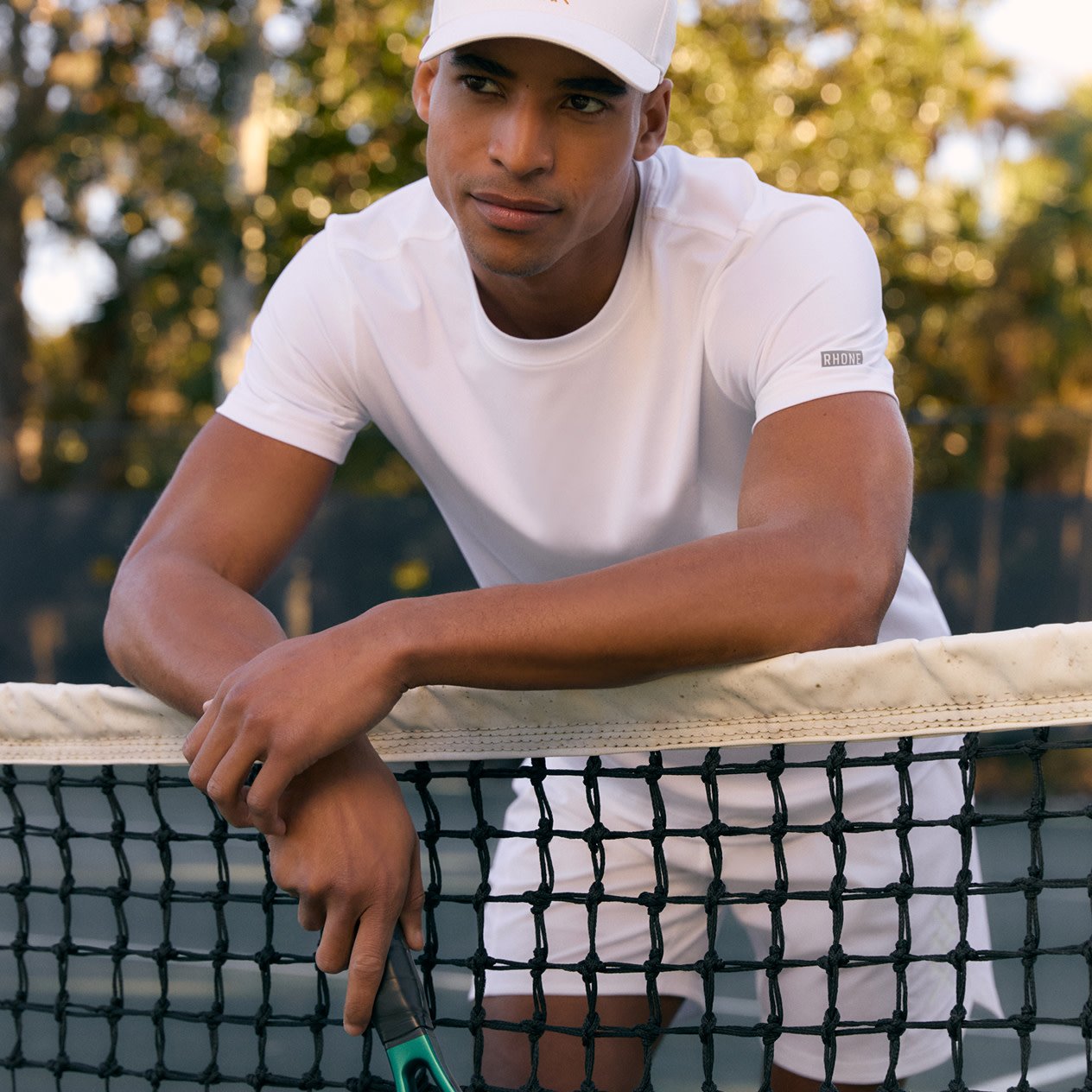
Companies like Bless Clothing help clothing brands develop scalable casualwear T-shirt collections.
Fabric Types Used for Custom T-Shirts
Fabric selection has a major impact on comfort, durability, and garment appearance.
| Fabric Type | Features | Best Use |
|---|---|---|
| 100% Cotton | breathable and soft | everyday casualwear |
| Cotton-Poly Blend | durable and wrinkle resistant | active casualwear |
| Organic Cotton | eco-friendly | sustainable clothing brands |
| Heavyweight Cotton | structured and premium feel | streetwear collections |
Fabric weight is usually measured in GSM (grams per square meter).
| GSM Range | T-Shirt Type |
|---|---|
| 120–160 GSM | lightweight T-shirt |
| 160–200 GSM | standard casual T-shirt |
| 200–260 GSM | heavyweight premium T-shirt |
Typical T-Shirt Production Process
The custom T-shirt manufacturing process generally follows several steps.
| Step | Description |
|---|---|
| Design concept | brand develops T-shirt idea |
| Tech pack | production specifications documented |
| Fabric sourcing | materials selected |
| Sample development | prototype T-shirt created |
| Sample approval | adjustments finalized |
| Bulk production | large-scale manufacturing |
| Quality inspection | finished garments inspected |
| Packaging and shipping | products delivered to brand |
Understanding this process helps brands plan product launches more effectively.
MOQ, Cost, and Production Timeline
Manufacturing costs and timelines depend on several factors.
| Factor | Typical Range |
|---|---|
| MOQ | 50–200 pieces per design |
| Sample development | 7–14 days |
| Bulk production | 3–5 weeks |
| Fabric sourcing | varies depending on material |
Experienced manufacturers help brands optimize production timelines and maintain product quality.
How to Choose the Right T-Shirt Manufacturer
Choosing the right manufacturing partner is essential for clothing brands.
Evaluate Manufacturing Experience
Factories with experience in casualwear production usually provide better garment quality.
Review Sampling Capabilities
Strong sampling processes allow brands to refine products before bulk production.
Check Communication and Transparency
Clear communication prevents production delays and misunderstandings.
Assess Production Scalability
Manufacturers should support both startup production and larger orders as the brand grows.
Custom Manufacturing vs Print-on-Demand
Some clothing brands compare custom manufacturing with print-on-demand services.
| Feature | Custom Manufacturing | Print-on-Demand |
|---|---|---|
| Product quality | higher | moderate |
| Design control | full | limited |
| Branding options | extensive | basic |
| Startup cost | higher | lower |
| Long-term scalability | strong | limited |
For brands planning long-term growth, custom manufacturing is usually the better option.
FAQ
What is the minimum order for custom T-shirts?
Most manufacturers require between 50–200 pieces per design.
How long does T-shirt production take?
Production typically takes around 3–5 weeks after sample approval.
Can manufacturers help with product development?
Yes. Many manufacturers assist with fabric sourcing, pattern development, and garment design.
Are T-shirts good products for startup clothing brands?
Yes. T-shirts are often the easiest and most cost-effective product category for new clothing brands.
Final Thoughts
T-shirts remain one of the most important products in casualwear collections.
Working with a reliable custom T-shirt manufacturer allows clothing brands to develop high-quality products and scale their production efficiently.
Manufacturers support brands with:
- product development
- fabric sourcing
- sampling and testing
- bulk manufacturing
If you’re exploring custom T-shirt production for your clothing brand, you can learn more about manufacturing solutions at Bless Clothing.
Choosing the right manufacturing partner can help your clothing brand grow successfully.