
If you’re asking whether J. Jill supports DEI (Diversity, Equity, and Inclusion), you’re likely trying to understand:
- The company’s public values
- Hiring and leadership diversity
- Social responsibility stance
- Whether it aligns with your personal beliefs
Let’s answer this clearly and factually — without speculation.
Table of Contents
- Quick Answer
- What DEI Means in Retail
- J. Jill’s Public Positioning
- Corporate Governance & Policies
- How Retail Brands Typically Approach DEI
- What This Means for Shoppers
- How to Evaluate a Brand’s DEI Commitment
- FAQ
- Final Takeaway
Quick Answer
:contentReference[oaicite:0]{index=0} has publicly referenced inclusion and workplace diversity in corporate communications, as many publicly traded retailers do.
However:
- It is not widely known for aggressive DEI activism.
- It does not position itself as a political brand.
- Its marketing remains largely product-focused.
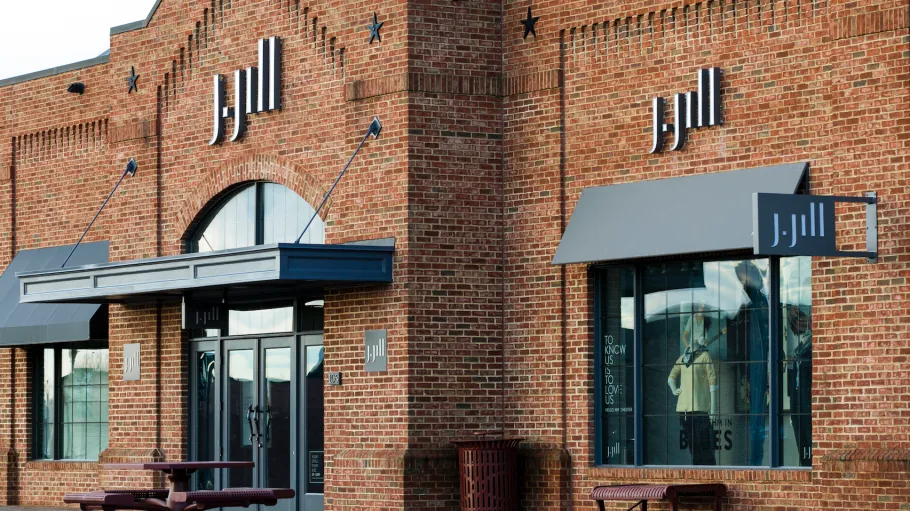
In short: J. Jill operates like most mainstream retailers — acknowledging diversity principles without making it the centerpiece of its branding.
What DEI Means in Retail
In the apparel industry, DEI typically includes:
- Inclusive hiring practices
- Equal opportunity employment policies
- Diverse leadership representation
- Inclusive sizing
- Supplier diversity initiatives
For public companies, DEI language often appears in:
- Annual reports
- ESG disclosures
- Corporate governance pages
It does not always appear in consumer-facing marketing.
J. Jill’s Public Positioning
J. Jill’s branding focuses on:
- Comfort-first apparel
- Women aged 50+
- Relaxed lifestyle fashion
- Body positivity within its core demographic
The company does not heavily market political or activist messaging.
Unlike some fashion brands that build identity around activism, J. Jill’s messaging remains centered on product and lifestyle.
Corporate Governance & Policies
As a public company, J. Jill must adhere to U.S. employment laws and reporting standards.
Most public retailers today include:
- Anti-discrimination policies
- Equal employment opportunity statements
- Diversity initiatives in hiring

These policies are standard in American corporate governance.
If you compare corporate structures across apparel brands — including production-focused models like blessclothing — you’ll see that DEI language is often included as part of broader ESG strategy rather than brand identity.
How Retail Brands Typically Approach DEI
Retail brands generally fall into three categories:
| Category | Approach |
|---|---|
| Activist-Forward | Public campaigns & social messaging |
| Corporate-Compliant | Standard DEI policies in governance |
| Neutral | Minimal public commentary |
J. Jill aligns more closely with the corporate-compliant model.
It acknowledges inclusion principles but does not foreground them in advertising.
What This Means for Shoppers
If you’re evaluating the brand:
- It does not appear to avoid DEI principles.
- It does not appear to campaign heavily on them either.
- It maintains a low-political-profile retail stance.
Shoppers who prefer neutral lifestyle branding typically find J. Jill’s messaging consistent and product-focused.
How to Evaluate a Brand’s DEI Commitment
If DEI is important to you, consider reviewing:
- Corporate ESG reports
- Board diversity disclosures
- Supplier sourcing transparency
- Public statements from executives
Avoid relying solely on social media narratives.
FAQ
Does J. Jill publicly promote DEI campaigns?
It does not prominently market DEI in advertising campaigns.
Is J. Jill politically active?
The brand maintains a relatively neutral public marketing stance.
Do public companies usually include DEI policies?
Yes. Most publicly traded U.S. retailers include diversity language in corporate governance.
Is DEI visible in J. Jill’s product line?
The brand focuses more on age inclusivity and comfort sizing than political messaging.
Final Takeaway
So, does J. Jill support DEI?
Based on public corporate standards:
It operates within mainstream corporate diversity frameworks, but it does not position DEI as a core marketing theme.
Like many established American retailers, it emphasizes product, comfort, and customer loyalty over activism-driven branding.
Understanding the difference between governance policies and marketing messaging helps you evaluate brands more objectively.