
Table of Contents
- Quick Answer
- What Is AQL in Clothing Manufacturing?
- Why AQL Matters for Apparel Brands
- How Bless Clothing Applies AQL in Production
- Step-by-Step: Our Quality Control Process
- Types of Defects We Monitor
- How AQL Improves Bulk Production Consistency
- Bless Clothing vs Factories Without AQL
- Who Benefits Most from AQL-Based QC
- FAQs
- Conclusion
Quick Answer
Bless Clothing manages quality control using AQL (Acceptable Quality Limit), combined with multi-stage inspections and sample-based standards to ensure consistent bulk production quality.
From my experience, AQL is one of the most reliable systems for controlling quality at scale.
What Is AQL in Clothing Manufacturing?
AQL stands for Acceptable Quality Limit.
It is a standard used to determine:
- How many units to inspect
- How many defects are acceptable
- Whether a batch passes or fails
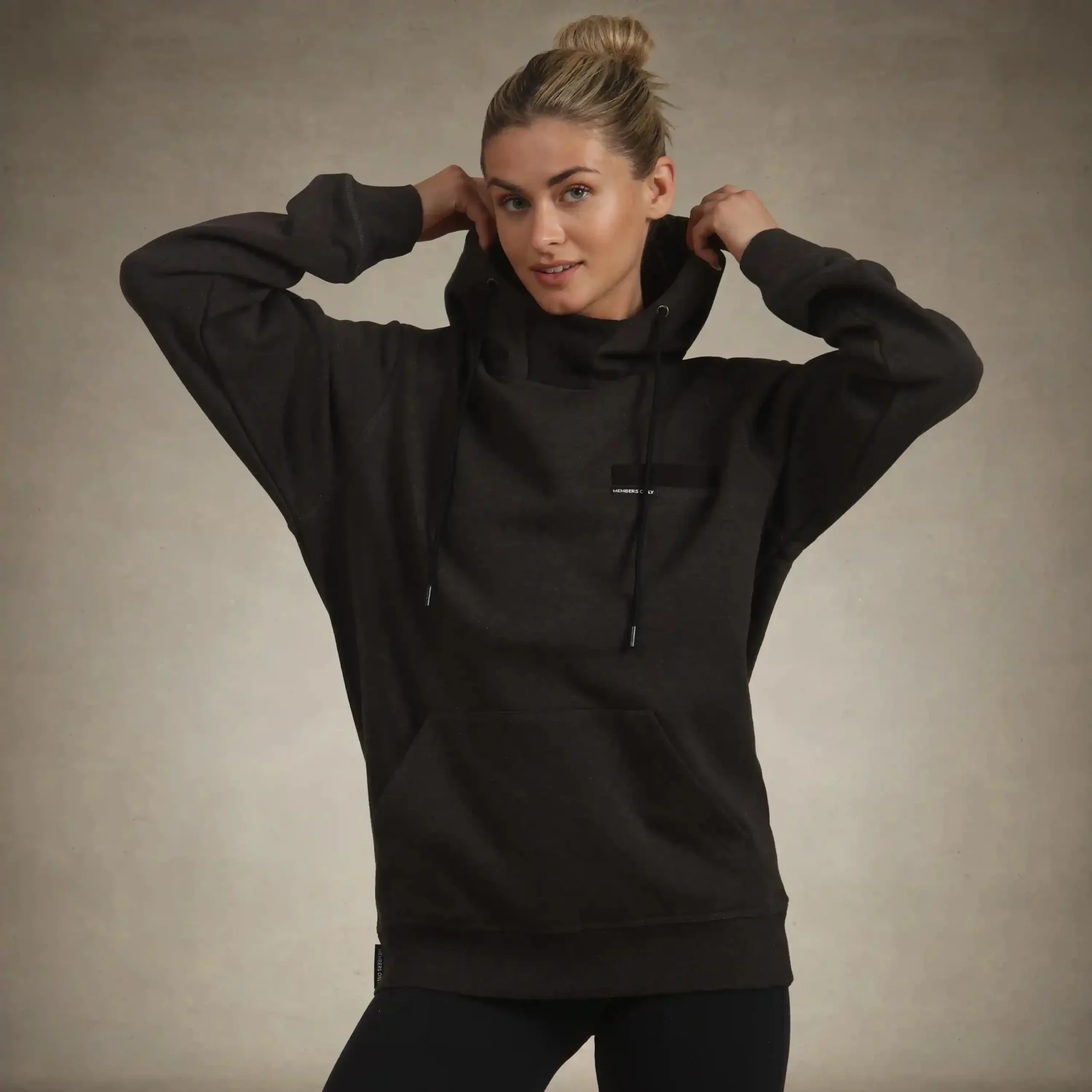
Instead of checking every item, AQL uses sampling inspection to evaluate overall quality.
Why AQL Matters for Apparel Brands
In bulk production, checking every piece is inefficient.
AQL provides:
- A structured inspection system
- Objective quality standards
- Faster decision-making
Without AQL, quality control becomes:
- Inconsistent
- Subjective
- Risky
AQL turns quality control into a measurable system.
How Bless Clothing Applies AQL in Production
At Bless Clothing, AQL is integrated into our production process.
We use it to:
- Inspect batches systematically
- Identify defects early
- Ensure consistency across orders
AQL is combined with:
- Pre-production checks
- In-line inspections
- Final inspections
Step-by-Step: Our Quality Control Process
Step 1: Pre-Production Quality Check
We verify:
- Approved sample
- Fabric quality
- Production setup
Step 2: In-Line Inspection
During production, we monitor:
- Stitching quality
- Measurements
- Construction accuracy
Issues are corrected immediately.
Step 3: AQL Final Inspection
We:
- Select a sample size based on batch quantity
- Inspect selected units
- Compare defects against AQL standards
Step 4: Pass / Fail Decision
- If defects are within AQL limits → batch passes
- If defects exceed limits → corrective action is required
Types of Defects We Monitor
AQL classifies defects into categories:
Critical Defects
- Safety issues
- Major functional failures
These are not acceptable.
Major Defects
- Visible flaws
- Incorrect measurements
- Significant quality issues
Limited tolerance.
Minor Defects
- Small cosmetic imperfections
- Minor stitching irregularities
Allowed within defined limits.
How AQL Improves Bulk Production Consistency
From my experience, AQL provides:
Standardized Evaluation
Every batch is judged by the same criteria.
Early Issue Detection
Problems are identified before shipment.
Reduced Risk
Defective batches are corrected before delivery.
Scalable Quality Control
Works efficiently for both small and large orders.
Bless Clothing vs Factories Without AQL
| Feature | Bless Clothing (AQL-Based) | Non-AQL Factories |
|---|---|---|
| Inspection Method | Standardized | Inconsistent |
| Quality Evaluation | Objective | Subjective |
| Risk Level | Controlled | Higher |
| Consistency | High | Variable |
| Decision Process | Data-driven | Experience-based |
From my perspective, AQL is essential for professional manufacturing.
Who Benefits Most from AQL-Based QC
Best Fit
- Private label brands
- DTC brands
- Growing apparel brands
- Brands focused on consistency
Not Ideal For
- Ultra-low-cost production strategies
- Extremely small-scale informal production
FAQs
What is AQL in simple terms?
It is a system to determine how many defects are acceptable in a batch.
Do you inspect every piece?
No — we use sampling inspection based on AQL standards.
What happens if a batch fails AQL?
We take corrective action before shipment.
What is your MOQ?
Typically around 100 pieces per design.
Why is AQL important?
It ensures consistent and reliable product quality.
Conclusion
Quality control is not just about checking products —
it’s about controlling outcomes.
Bless Clothing uses AQL to create a structured, reliable quality control system.
From my experience, the brands that succeed long-term are the ones that:
Measure quality, not guess it.
And that’s exactly what AQL allows us to do.