
Launching a clothing brand is exciting, but scaling it is where most brands struggle.
Many founders start with great designs and strong branding. However, once orders begin to increase, they quickly realize that production capacity, quality control, and supply chain management become major challenges.
From my experience working around casualwear production and apparel development, one factor consistently determines whether a brand grows successfully:
The manufacturing partner.
A professional casual clothing manufacturer doesn’t just produce garments — they help brands move from small startup collections to scalable production.
In this guide, I’ll explain how casual clothing manufacturers support brand growth and what brands should look for when choosing a production partner.
Table of Contents
- Quick Answer
- Why Manufacturing Partners Matter for Brand Growth
- How Manufacturers Support Product Development
- Scaling Production Without Losing Quality
- Supply Chain and Fabric Sourcing Advantages
- Production Flexibility for Growing Brands
- Custom Manufacturing vs Small Workshop Production
- Signs of a Manufacturer That Can Help You Scale
- FAQ
- Final Thoughts
Quick Answer
Casual clothing manufacturers help brands scale by providing:
- reliable bulk production
- product development support
- fabric sourcing networks
- quality control systems
- scalable production capacity
A good manufacturing partner allows brands to grow from small batches to large collections without sacrificing consistency.
For example, companies such as Bless Clothing work with clothing brands to develop custom casualwear collections and manage production as demand increases.
Why Manufacturing Partners Matter for Brand Growth
Many clothing brands fail to scale because they rely on small production workshops that cannot support larger orders.
As a brand grows, production becomes more complex:
- more product styles
- higher order volumes
- stricter quality expectations
- tighter delivery deadlines
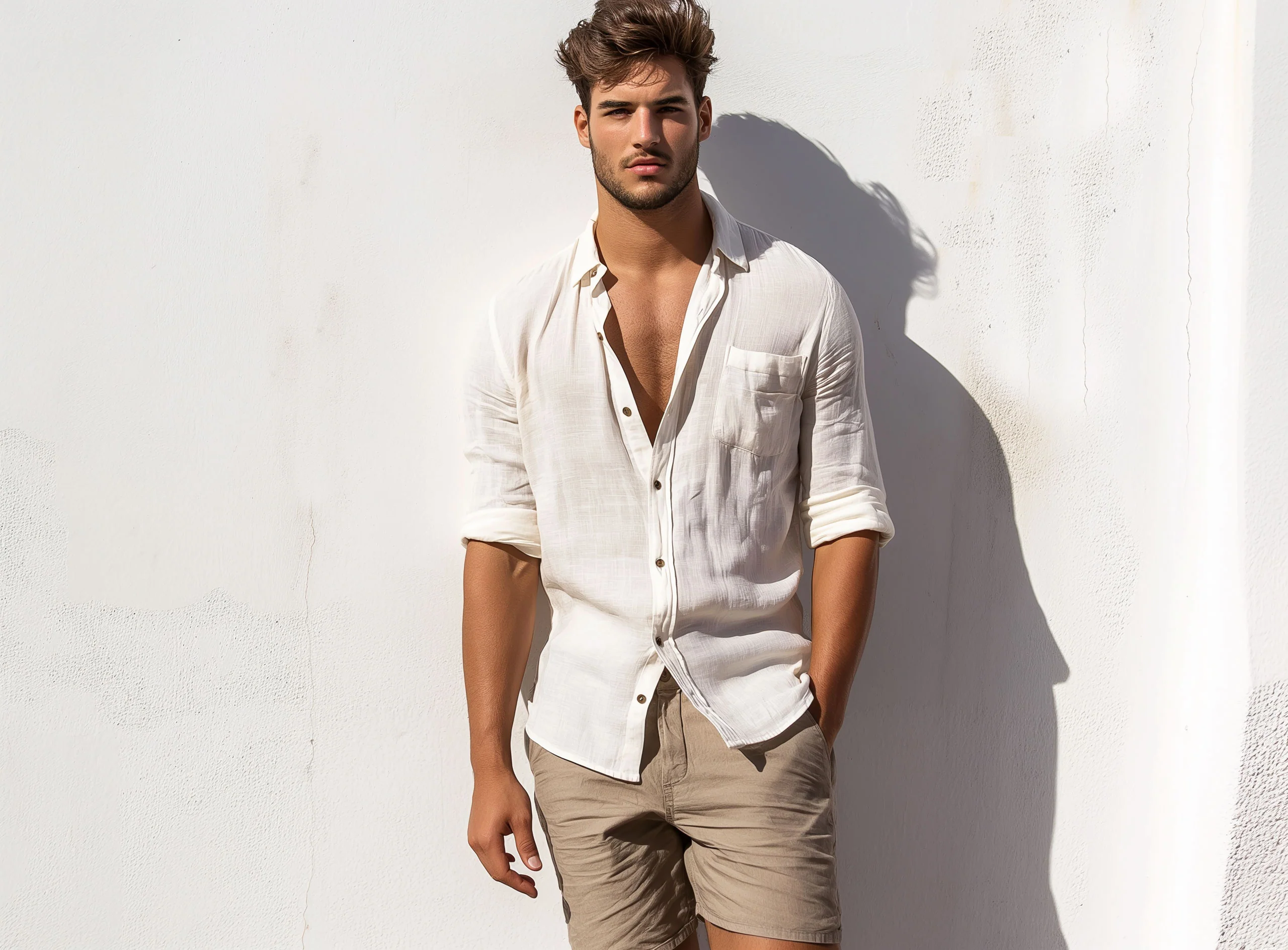
A professional casual clothing manufacturer provides the infrastructure needed to handle this growth.
Without this support, brands often struggle with inconsistent product quality and delayed shipments.
How Manufacturers Support Product Development
Before large-scale production begins, manufacturers help brands refine their products.
Typical product development services include:
Tech Pack Support
Manufacturers can help translate design concepts into detailed production specifications.
Pattern Development
Experienced pattern makers ensure garments fit properly across size ranges.
Sampling and Prototyping
Sampling allows brands to test:
- fabric quality
- garment fit
- print durability
- stitching strength
This stage prevents costly mistakes during mass production.
Scaling Production Without Losing Quality
One of the biggest challenges for growing brands is maintaining consistent product quality.
Professional manufacturers solve this problem through structured quality control systems.
Typical processes include:
| Stage | Quality Check |
|---|---|
| Fabric inspection | material consistency |
| Pre-production sample | design confirmation |
| Inline inspection | sewing accuracy |
| Final inspection | finished garment quality |

These systems ensure that every production run meets the brand’s standards.
Supply Chain and Fabric Sourcing Advantages
Experienced manufacturers usually have established supply chain networks.
This provides brands with several advantages:
- access to a wide range of fabrics
- faster sourcing timelines
- stable material pricing
- reliable trim suppliers
For growing brands, this network reduces sourcing risks and improves production efficiency.
Production Flexibility for Growing Brands
Scaling a clothing brand rarely happens overnight.
Demand may grow gradually, and manufacturers must support different production stages.
A good casualwear manufacturer can offer:
- low MOQs for startup collections
- larger production runs for popular items
- repeat production for best-selling styles
Manufacturers such as Bless Clothing often support brands through multiple growth stages, from product development to bulk production.
Custom Manufacturing vs Small Workshop Production
Many early-stage brands start with small production workshops.
However, scaling usually requires transitioning to a structured manufacturing partner.
| Feature | Small Workshop | Professional Manufacturer |
|---|---|---|
| Production capacity | Limited | Scalable |
| Fabric sourcing | Basic | Extensive |
| Quality control | Inconsistent | Structured |
| Lead time | Unpredictable | Organized |
| Brand support | Minimal | Development support |
While workshops can be useful for early samples, scaling often requires more reliable production infrastructure.
Signs of a Manufacturer That Can Help You Scale
Not every factory is capable of supporting brand growth.
When evaluating manufacturers, look for these indicators.
Strong Product Development Support
Manufacturers should assist with sampling, fit adjustments, and fabric selection.
Clear Communication
Reliable partners provide transparent timelines and production updates.
Flexible Production Capacity
Factories should support both small and large production runs.
Consistent Quality Standards
Quality control procedures should be clearly defined.
These qualities help brands scale smoothly as demand increases.
FAQ
Can clothing manufacturers help small brands scale?
Yes. Many manufacturers work with startups and gradually increase production capacity as the brand grows.
What production volume is considered scalable?
Many brands begin with orders of 50–200 pieces per style and scale to thousands of units as demand increases.
How long does production usually take?
Production timelines typically range from 3–6 weeks after sample approval.
Is custom manufacturing better for scaling a clothing brand?
Yes. Custom manufacturing allows brands to maintain product identity and quality as production expands.
Final Thoughts
Scaling a clothing brand requires more than great designs.
Behind every successful apparel brand is a reliable manufacturing partner capable of supporting product development, bulk production, and quality control.
Casual clothing manufacturers play a critical role in helping brands move from small startup collections to large-scale production.
If you’re exploring manufacturing options for your brand, you can learn more about custom casualwear production at Bless Clothing.
Choosing the right manufacturing partner today can determine how successfully your brand grows tomorrow.