
Launching a fashion line used to require large budgets, retail connections, and complex supply chains. Today, however, small brands can successfully launch casual clothing lines with the help of flexible manufacturers, e-commerce platforms, and social media marketing.
From my experience working around apparel development and clothing manufacturing, small brands that succeed usually follow a simple and structured approach: they start with a focused product range, manage production carefully, and build strong brand identity early.
In this guide, I’ll explain how small brands can launch a casual fashion line step by step, including product planning, manufacturing strategy, branding, and marketing.
Table of Contents
- Quick Overview
- Step 1: Define Your Brand Vision
- Step 2: Identify Your Target Customer
- Step 3: Choose the Right Casualwear Products
- Step 4: Plan Your Materials and Fabrics
- Step 5: Develop Product Designs and Tech Packs
- Step 6: Find a Manufacturing Partner
- Step 7: Create Samples and Test Products
- Step 8: Launch and Promote Your Fashion Line
- Common Challenges Small Brands Face
- FAQ
- Final Thoughts
Quick Overview
Launching a casual fashion line typically involves these stages:
| Stage | Objective |
|---|---|
| brand vision | define brand identity |
| product selection | choose core garments |
| product development | design garments |
| sampling | test product quality |
| production | manufacture clothing |
| marketing | introduce products to customers |
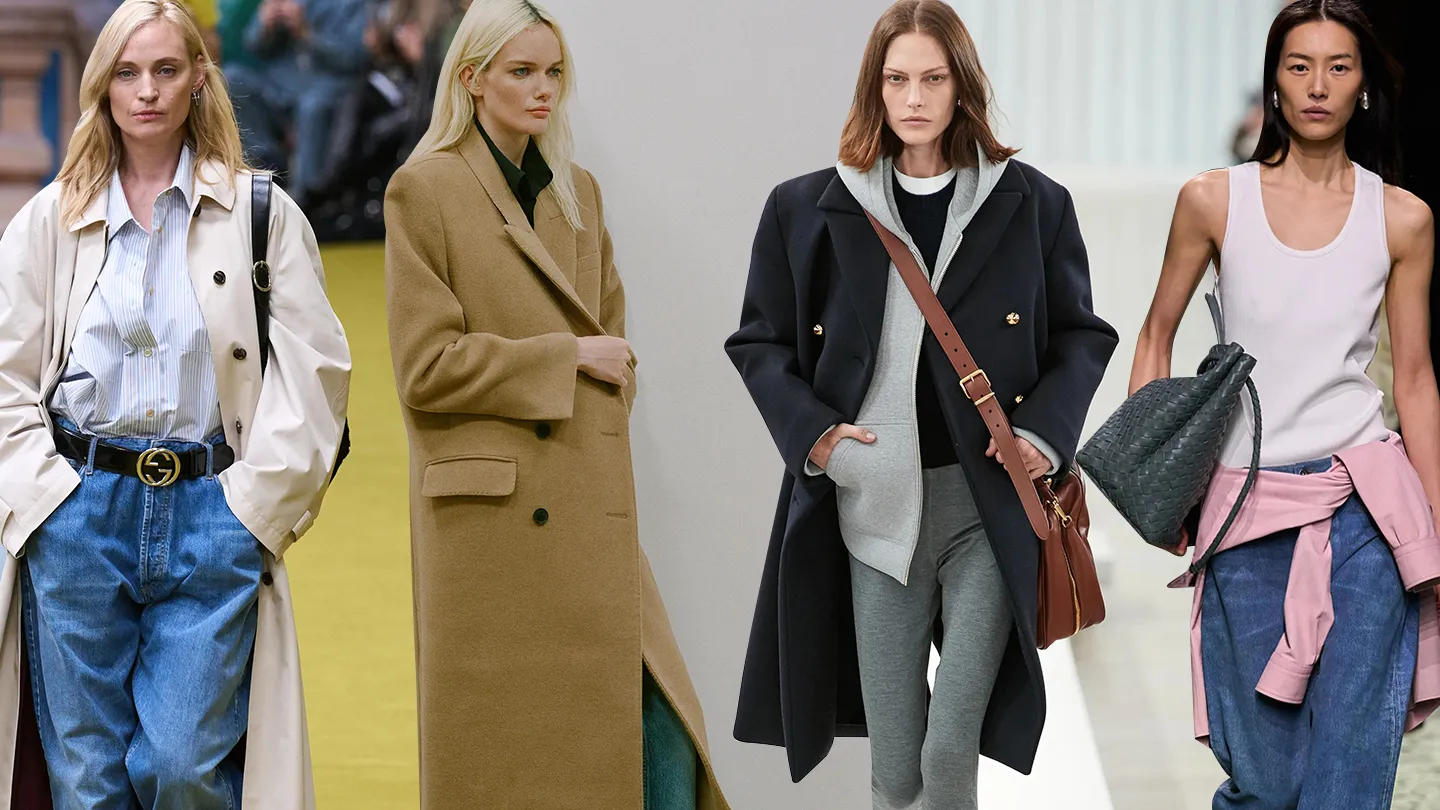
Many small brands partner with manufacturers such as Bless Clothing to develop custom casualwear products and produce their first clothing collections.
Step 1: Define Your Brand Vision
Every clothing brand needs a clear direction before designing products.
Your brand vision should answer:
- What style defines your clothing?
- Who are your customers?
- What lifestyle does your brand represent?
Casual fashion brands often focus on themes such as:
| Brand Style | Description |
|---|---|
| minimalist casual | simple everyday basics |
| street-inspired | relaxed and graphic-driven |
| premium casualwear | higher-quality fabrics |
A strong brand vision helps guide product development and marketing strategies.
Step 2: Identify Your Target Customer
Understanding your audience helps determine what products to design.
Consider factors such as:
- age group
- lifestyle
- fashion preferences
- price expectations
For example:
| Target Customer | Product Direction |
|---|---|
| students | affordable everyday casualwear |
| urban professionals | premium casual basics |
| streetwear enthusiasts | oversized hoodies and graphic tees |
Defining your target market helps ensure your clothing line meets real demand.
Step 3: Choose the Right Casualwear Products
Many small brands succeed by launching with a limited set of core products.
Popular starter items include:
| Product | Why It Works |
|---|---|
| T-shirts | versatile and easy to produce |
| hoodies | high demand in casualwear |
| sweatshirts | comfortable everyday wear |
| joggers | relaxed casual style |
Starting with fewer products helps brands control production costs and focus on quality.
Step 4: Plan Your Materials and Fabrics
Fabric selection has a major impact on comfort, durability, and product perception.
Common fabrics used in casual fashion include:
| Fabric | Characteristics |
|---|---|
| cotton jersey | breathable and soft |
| cotton blends | durable and flexible |
| fleece | warm interior for hoodies |
| French terry | lightweight sweatshirt material |
Understanding textile materials helps brands choose fabrics that match their product goals.
Organizations like Textile Exchange provide information on textile materials and sustainable fabric development.
Step 5: Develop Product Designs and Tech Packs
Once product ideas are finalized, brands create design specifications.
These usually include:
- design sketches
- measurements and size charts
- fabric details
- stitching instructions
- branding placement
These documents are commonly called tech packs.
Clear tech packs help manufacturers understand exactly how garments should be produced.
Step 6: Find a Manufacturing Partner
Choosing the right clothing manufacturer is essential for launching a fashion line.
Reliable manufacturers typically offer:
- sample development
- fabric sourcing
- quality control systems
- scalable production capacity
Manufacturers such as Bless Clothing support small brands by providing custom casualwear manufacturing services and flexible production solutions.
Working with experienced factories helps reduce production risks.
Step 7: Create Samples and Test Products
Before starting full production, brands develop sample garments.
Sampling allows brands to test:
- garment fit
- fabric comfort
- stitching quality
- logo placement
Most clothing products require multiple sample revisions before approval.
This process ensures garments meet design expectations.
Step 8: Launch and Promote Your Fashion Line
After production, brands focus on introducing products to customers.
Common marketing strategies include:
- social media campaigns
- influencer collaborations
- e-commerce stores
- online content marketing
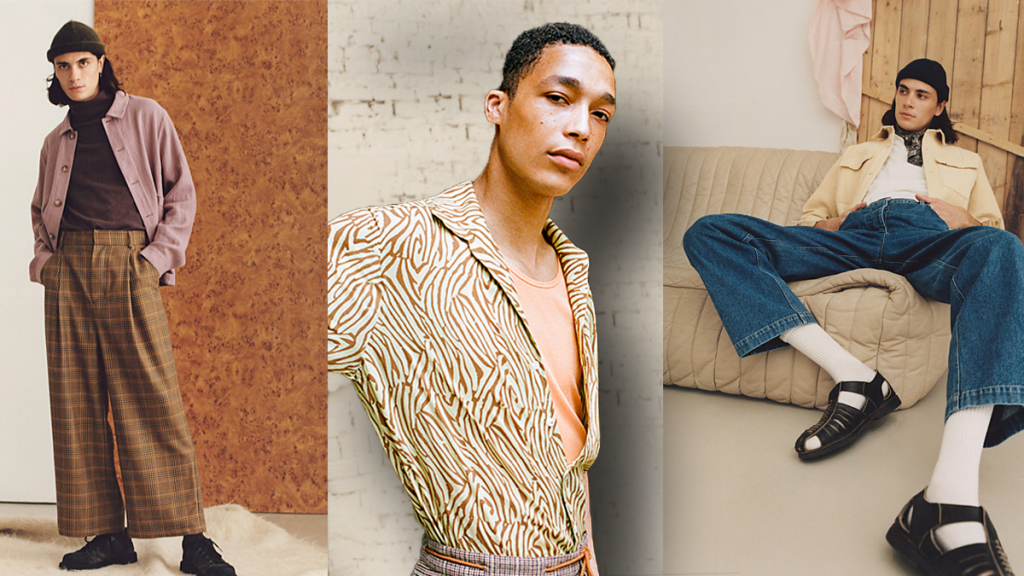
Social media platforms have become essential tools for fashion brand launches.
Common Challenges Small Brands Face
New clothing brands often encounter several challenges.
Limited Budget
Small brands must carefully manage production and marketing costs.
Manufacturing Complexity
Product development and sampling require time and coordination.
Market Competition
The fashion industry is highly competitive.
Brand Visibility
New brands must work harder to attract attention.
Planning carefully and starting with manageable product ranges helps overcome these challenges.
FAQ
How much does it cost to launch a casual fashion line?
Startup costs vary, but many small brands begin with budgets between $2,000 and $10,000 depending on production scale.
What products should small brands start with?
T-shirts, hoodies, and sweatshirts are popular starter products.
Do small brands need clothing manufacturers?
Most brands rely on manufacturers to produce garments efficiently and at scale.
How long does it take to launch a clothing line?
Design development, sampling, and production usually take 1–3 months.
Final Thoughts
Launching a casual fashion line as a small brand requires creativity, planning, and reliable production partners.
Successful brands usually focus on:
- clear brand identity
- high-quality products
- strategic product selection
- reliable manufacturing support
By following a structured approach to product development and production, small brands can successfully launch and grow their clothing lines.
If you're exploring custom casualwear manufacturing for your brand, you can learn more about production services at Bless Clothing.
With the right preparation and manufacturing strategy, small brands can successfully enter the fashion industry.