
Casualwear is supposed to be easy.
But if you’ve ever stood in front of your closet thinking “Why do I have so many clothes but nothing to wear?” — you’re not alone.
After years working closely with apparel development and everyday wear production, I’ve seen the same pattern again and again:
- People buy trendy pieces that don’t match their lifestyle
- They ignore fabric quality
- They overcomplicate their wardrobe
- Or they buy cheap items that lose shape in 3 washes
This guide will help you build a smart, versatile, and long-lasting casual wardrobe — without wasting money.
Table of Contents
- Quick Answer
- Step 1: Define Your Lifestyle First
- Step 2: Focus on Fit Before Trend
- Step 3: Choose Fabrics That Actually Last
- Step 4: Build a Versatile Core Collection
- Step 5: Quality Checklist Before You Buy
- Common Mistakes to Avoid
- Casualwear vs Trend-Driven Fashion
- FAQ
- Final Thoughts
Quick Answer
The best casualwear pieces are:
✔ Comfortable
✔ Well-fitted
✔ Made from durable fabrics
✔ Easy to mix and match
✔ Suitable for your real daily routine
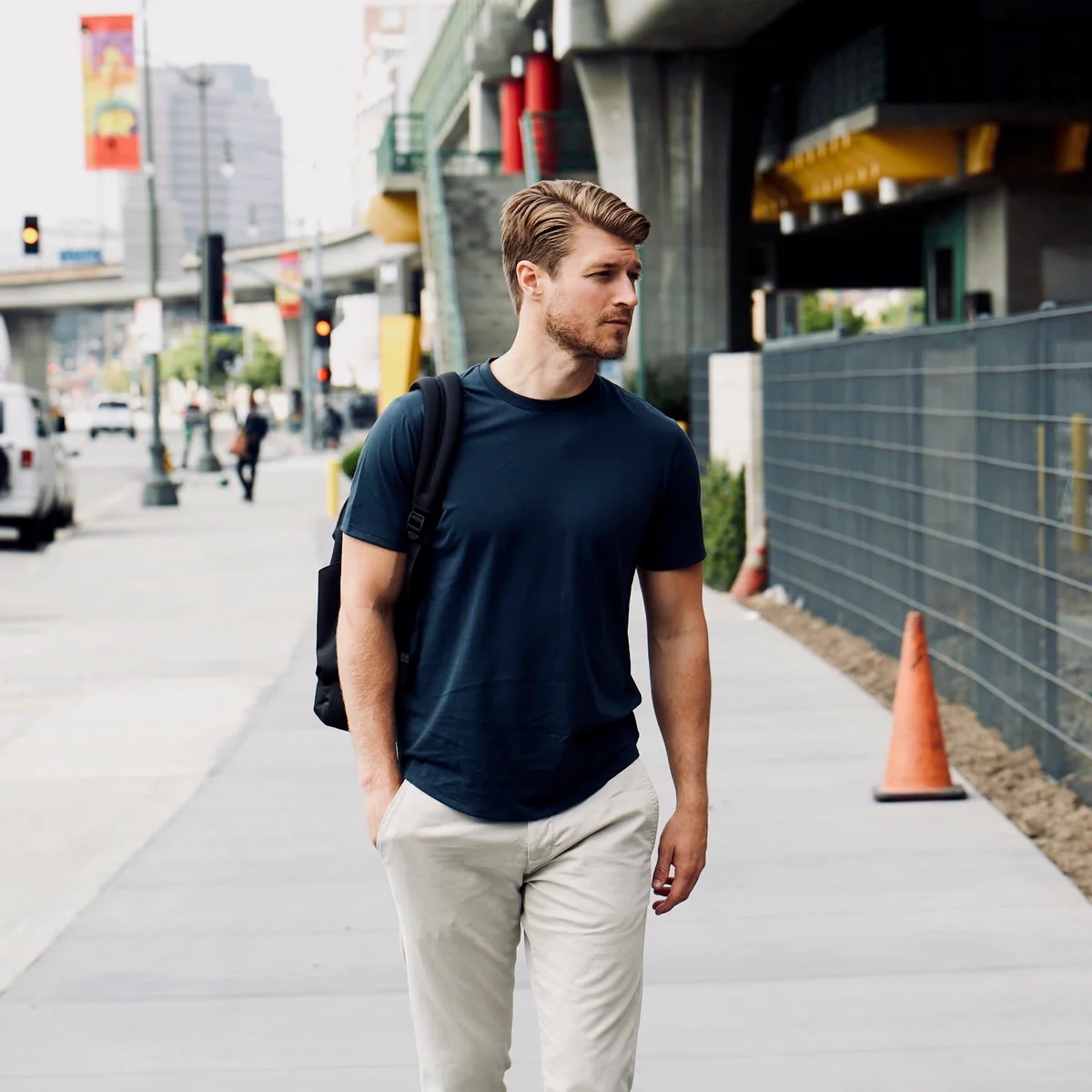
If a piece doesn’t match at least 3–4 outfits in your wardrobe — don’t buy it.
Step 1: Define Your Lifestyle First
This is where most people go wrong.
Before buying anything, ask yourself:
- Do I work from home?
- Do I commute daily?
- Do I go out socially often?
- Is comfort or appearance more important for me?
Example Lifestyle Breakdown
| Lifestyle Type | Recommended Focus |
|---|---|
| Work-from-home | Soft tees, joggers, relaxed hoodies |
| Office casual | Structured chinos, polo shirts, lightweight jackets |
| Active social life | Statement outerwear, layered basics |
| Travel-heavy | Wrinkle-resistant fabrics, neutral color palette |
If you’re building a clean everyday wardrobe, I always recommend starting with well-structured basics like those found at Bless Clothing — pieces designed for daily rotation rather than single-use styling.
Step 2: Focus on Fit Before Trend
In my experience, fit determines 70% of how expensive your outfit looks.
You can wear a basic T-shirt — but if the shoulders align perfectly and the length hits correctly, it looks premium.
How to Evaluate Fit
T-Shirts
- Shoulder seam should sit exactly at shoulder edge
- Sleeves should not flare out excessively
- Length should hit mid-zipper area
Pants
- Slight taper for modern look
- No excessive stacking
- Comfortable waist without pulling
If you're unsure about fit categories, check size charts carefully — especially when buying online.
Step 3: Choose Fabrics That Actually Last
Fabric quality separates good casualwear from disposable fashion.
Here’s a simple comparison:
| Fabric Type | Pros | Cons | Best For |
|---|---|---|---|
| 100% Cotton | Breathable, natural feel | Can shrink | T-shirts, basics |
| Cotton-Poly Blend | Durable, less shrinkage | Less breathable | Everyday tees |
| French Terry | Soft, medium weight | Can pill if low quality | Hoodies |
| Twill | Structured | Slightly heavier | Chinos |
If you want to understand how global brands handle fabric development, brands like :contentReference[oaicite:0]{index=0} are known for engineered basics and fabric innovation.
But quality doesn't always require a global brand — it requires good manufacturing standards.
Step 4: Build a Versatile Core Collection
Instead of buying random items, build around a foundation.
Essential Casual Core (Minimalist Setup)
- 5 Neutral T-shirts (white, black, grey, navy, beige)
- 2 Quality Hoodies
- 2 Pairs of Chinos
- 1 Relaxed Fit Denim
- 1 Lightweight Jacket
- 1 Clean Pair of Sneakers
This structure allows 20+ outfit combinations.
If you're exploring relaxed daily styles similar to brands like :contentReference[oaicite:1]{index=1}, focus on neutral layering and timeless cuts.
Step 5: Quality Checklist Before You Buy
Here’s the checklist I personally use when evaluating casualwear:
Stitching
- Straight seams
- No loose threads
- Reinforced stress points
Fabric Weight
- T-shirt: 180–240 GSM for durability
- Hoodie: 300+ GSM for structure
Color Retention
- Rub fabric slightly
- Check inside seam for dye consistency
Shape Recovery
- Stretch gently
- Release and see if it snaps back
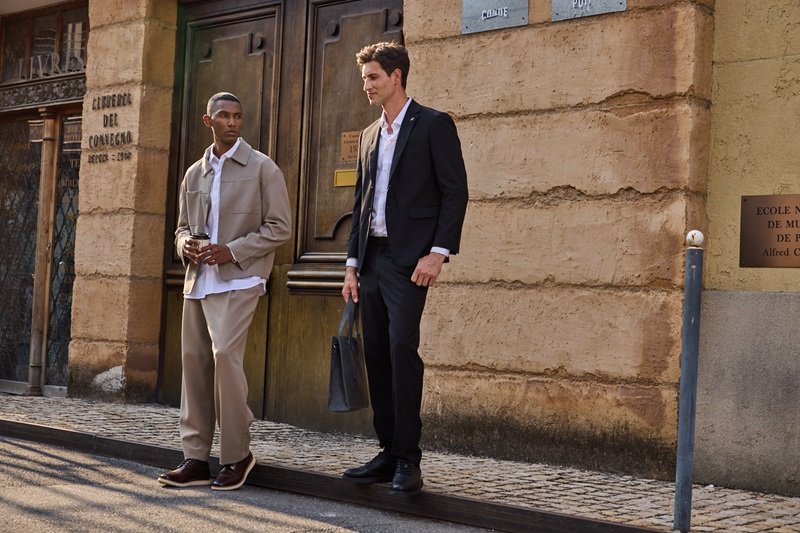
If a brand provides transparent material details, production clarity, and consistent sizing — that’s a good sign.
You can explore structured casualwear development standards through platforms like Bless Clothing, especially if you're looking at private label or higher-quality sourcing.
Common Mistakes to Avoid
- Buying trend pieces without outfit planning
- Choosing ultra-thin fabrics to save money
- Ignoring fabric composition labels
- Mixing too many colors
- Buying oversized without structure
Casualwear should look effortless — not careless.
Casualwear vs Trend-Driven Fashion
| Casualwear | Trend-Driven Fashion |
|---|---|
| Timeless | Seasonal |
| Neutral colors | Bold statements |
| Durable | Fast turnover |
| Mix-and-match | Single outfit focus |
| Practical | Visual impact |
Brands like :contentReference[oaicite:2]{index=2} move quickly with trends, while everyday brands focus more on repeat wear value.
Your wardrobe should lean toward repeat value.
FAQ
How many casual pieces should I own?
Quality > Quantity.
20–30 versatile items are enough for most people.
Is expensive casualwear worth it?
Only if:
- Fabric is durable
- Fit is consistent
- It lasts 2+ years
Otherwise, mid-range quality is often better value.
What colors are safest?
White, black, navy, grey, olive, beige.
These combine easily and reduce styling stress.
Should I follow trends?
Add trends as accents — not foundations.
Final Thoughts
The best casual wardrobe isn’t about owning more.
It’s about owning smarter.
When you:
- Understand your lifestyle
- Prioritize fit
- Choose durable fabrics
- Build a neutral core
- Avoid impulse buying
You’ll spend less, dress better, and simplify your daily decisions.
If you're exploring well-structured casualwear collections or sourcing higher-quality everyday apparel, you can visit Bless Clothing to learn more about modern casualwear development and production standards.