
Designing your first clothing collection is one of the most exciting stages of building a fashion brand. But many new entrepreneurs quickly realize that turning ideas into real garments requires more than creativity.
A successful casual clothing collection needs clear design direction, balanced product selection, and practical manufacturing planning.
From my experience working around apparel development and casualwear production, the brands that design strong first collections usually follow a structured process: they focus on a small number of products, use consistent fabrics, and work closely with manufacturers.
In this guide, I’ll explain how to design your first casual clothing collection step by step, including product planning, fabric selection, branding, and production preparation.
Table of Contents
- Quick Overview
- Step 1: Define the Purpose of Your Collection
- Step 2: Choose a Cohesive Design Direction
- Step 3: Select the Core Products
- Step 4: Plan Fabrics and Materials
- Step 5: Create Tech Packs and Design Specifications
- Step 6: Work With a Clothing Manufacturer
- Step 7: Develop Samples and Test Fit
- Step 8: Prepare Your Collection for Launch
- Common Mistakes When Designing First Collections
- FAQ
- Final Thoughts
Quick Overview
Designing a casual clothing collection usually involves these steps:
| Stage | Objective |
|---|---|
| concept development | define brand direction |
| product selection | choose garments to design |
| fabric planning | determine material choices |
| sample development | test garment quality |
| production preparation | finalize manufacturing |
Many clothing brands work with manufacturers such as Bless Clothing to transform design concepts into production-ready casualwear collections.
Step 1: Define the Purpose of Your Collection
Before designing garments, you should clarify the goal of your collection.
Ask yourself:
- Who is the target customer?
- What lifestyle does the clothing represent?
- What price range will the products fall into?
Your answers help define the overall design direction.
For example, a casualwear collection might focus on:
| Collection Focus | Example Direction |
|---|---|
| minimal everyday wear | neutral colors and simple silhouettes |
| street-inspired casual | oversized garments and graphic prints |
| premium basics | higher-quality fabrics and refined fits |
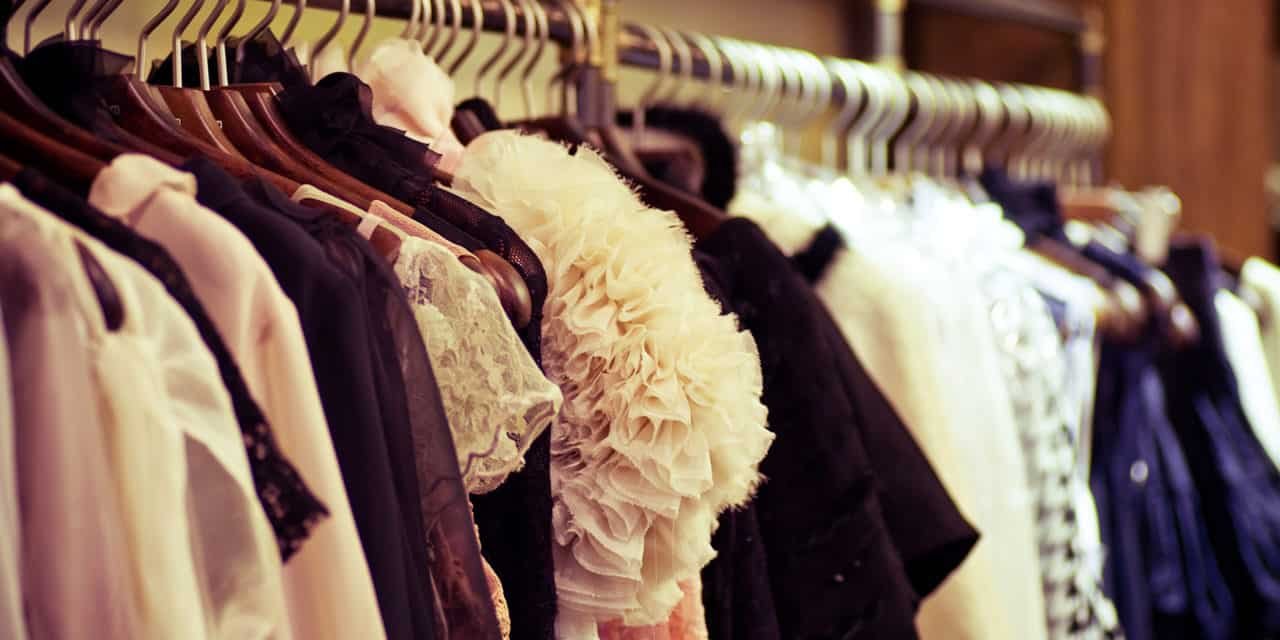
A clear purpose helps ensure your collection feels cohesive.
Step 2: Choose a Cohesive Design Direction
Your first clothing collection should follow a consistent visual theme.
Consistency can be achieved through:
- color palette
- fabric choices
- silhouette style
- branding elements
For example, many casualwear brands choose a limited color palette for their first collection to simplify manufacturing.
| Color Strategy | Benefit |
|---|---|
| neutral tones | versatile styling |
| monochrome | minimal brand identity |
| seasonal palette | trend-driven appeal |
A cohesive design direction helps customers recognize your brand.
Step 3: Select the Core Products
A common mistake for new brands is launching too many products at once.
Instead, most successful startups begin with 3–5 core items.
Popular casualwear starter products include:
| Product | Why It Works |
|---|---|
| T-shirts | simple and versatile |
| hoodies | strong casualwear demand |
| sweatshirts | comfortable everyday wear |
| joggers | popular casual bottoms |
Focusing on fewer products helps maintain quality and simplifies production.
Step 4: Plan Fabrics and Materials
Fabric selection plays a major role in product quality and comfort.
Common casualwear fabrics include:
| Fabric | Characteristics |
|---|---|
| cotton jersey | breathable and soft |
| cotton blends | durable and flexible |
| French terry | lightweight sweatshirt material |
| fleece | warm hoodie fabric |
Understanding fabric performance is important for designing comfortable garments.
Organizations like Textile Exchange publish resources about textile materials and sustainability in apparel production.
Step 5: Create Tech Packs and Design Specifications
A tech pack is a document that explains how a garment should be manufactured.
Typical tech pack components include:
- garment measurements
- fabric specifications
- stitching instructions
- logo placement
- label details
Tech packs help manufacturers produce garments accurately.
Without them, production mistakes become more likely.
Step 6: Work With a Clothing Manufacturer
Once designs are ready, the next step is finding a manufacturing partner.
Reliable manufacturers usually provide:
- sampling services
- fabric sourcing
- production planning
- quality control systems
Manufacturers such as Bless Clothing help clothing brands develop custom casualwear products and prepare them for production.
Working with experienced manufacturers simplifies the development process.
Step 7: Develop Samples and Test Fit
Sample development is essential before bulk production.
Samples allow brands to evaluate:
- garment fit
- fabric quality
- construction durability
- branding placement
Most clothing products require multiple sample revisions before final approval.
Skipping this stage increases the risk of production problems.
Step 8: Prepare Your Collection for Launch
Once samples are approved, brands prepare the collection for launch.
Preparation typically includes:
| Launch Preparation | Purpose |
|---|---|
| product photography | showcase garments |
| website setup | enable online sales |
| marketing campaigns | build audience awareness |
| inventory planning | prepare product stock |
Many brands rely on social media platforms to promote their first collections.
Common Mistakes When Designing First Collections
New clothing brands often encounter similar design mistakes.
Too Many Products
Launching large collections increases complexity and cost.
Inconsistent Brand Identity
A collection should follow a unified design direction.
Ignoring Manufacturing Constraints
Designs must consider real production capabilities.
Skipping Sample Testing
Skipping sampling can lead to fit or quality problems.
Avoiding these mistakes improves the chances of a successful launch.
FAQ
How many products should be in a first clothing collection?
Most startup brands begin with 3–5 core items.
What products are best for casualwear collections?
T-shirts, hoodies, and sweatshirts are common starter products.
Do I need a manufacturer to design clothing?
Most clothing brands collaborate with manufacturers to develop and produce garments.
How long does it take to design a clothing collection?
Design development and sampling usually take 4–8 weeks before production.
Final Thoughts
Designing your first casual clothing collection requires both creativity and practical planning.
Successful collections usually focus on:
- clear brand identity
- limited but strong product selection
- comfortable fabrics
- reliable manufacturing partners
By following a structured design process, entrepreneurs can develop collections that are easier to produce and more appealing to customers.
If you're preparing your first clothing collection and exploring manufacturing options, you can learn more about production services at Bless Clothing.
With the right preparation and production strategy, your first clothing collection can become the foundation of a successful brand.