Finding a factory is easy; finding a professional partner is where most fashion brands fail.
In my years managing production at Bless Custom Apparel, I’ve realized that the best factories aren't always the ones with the flashiest websites. They are the ones with the most organized floor plans, the clearest communication, and a "quality-first" mindset.
If you are tired of empty promises and samples that look nothing like the bulk production, this guide is for you. I’m stripping away the marketing fluff to show you the "Green Flags" of a world-class manufacturing partner.
Table of Contents
- Quick Answer: The 3-Second "Professionalism" Test
- The "Green Flags" of a Pro Factory
- Certifications: What Actually Matters in 2026
- Communication Depth: Testing Their Technical IQ
- Comparison: Professional Factory vs. Trading Agent
- Decision Matrix: Is This Factory Right for Your Brand?
- FAQs: Spotting Red Flags Early
- Partner with a Proven Expert at Bless Clothing
Quick Answer
A professional clothing factory is identified by transparency, technical precision, and organizational structure. Look for partners who provide detailed Tech Pack audits, maintain clear QC (Quality Control) stages, and hold verified social compliance certifications like BSCI or SEDEX. If a factory asks you more technical questions than you ask them, you’ve found a professional.
The "Green Flags" of a Pro Factory
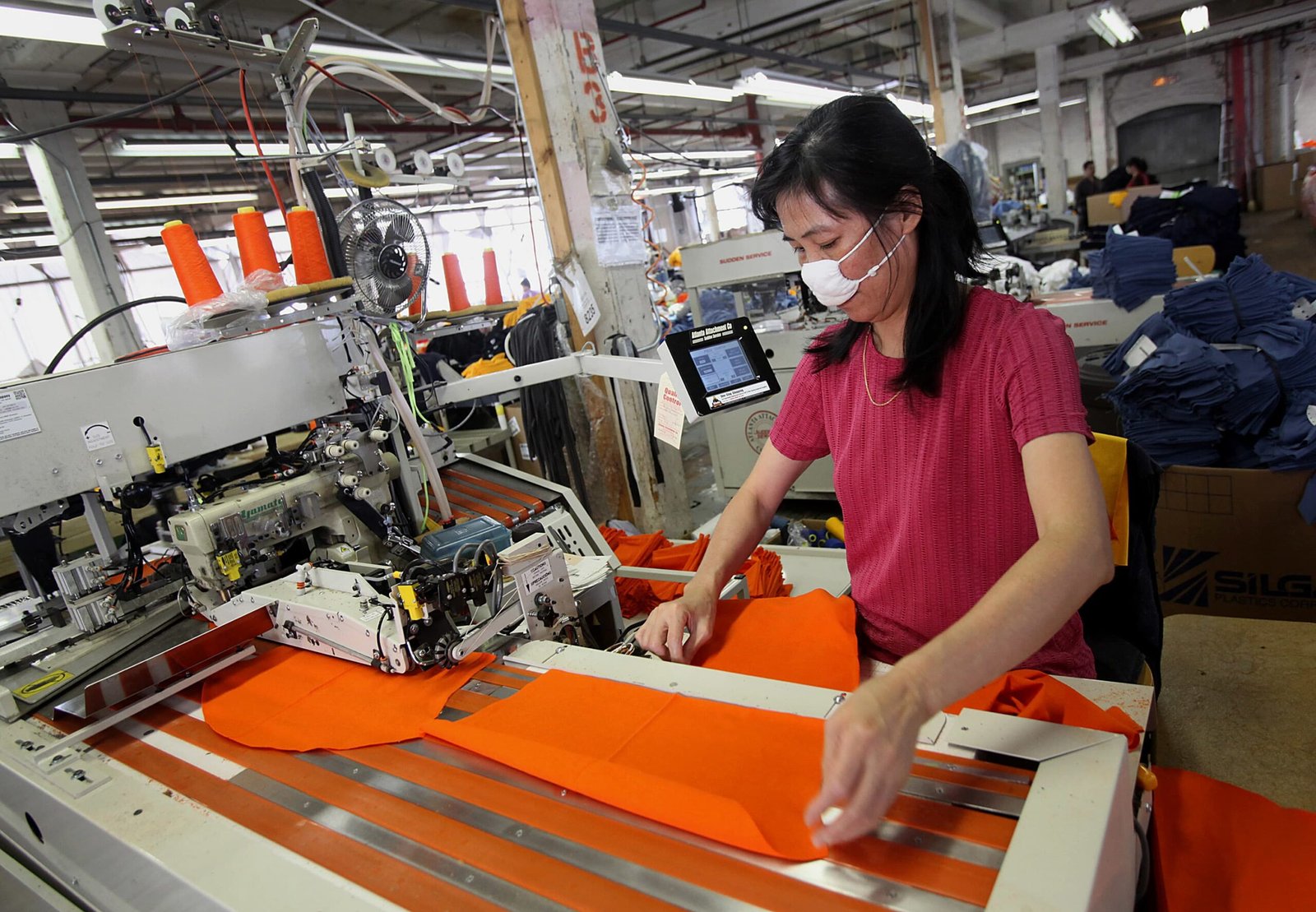
When you audit a factory (either in person or via video call), look for these three non-negotiables:
1. Organized Sample Rooms
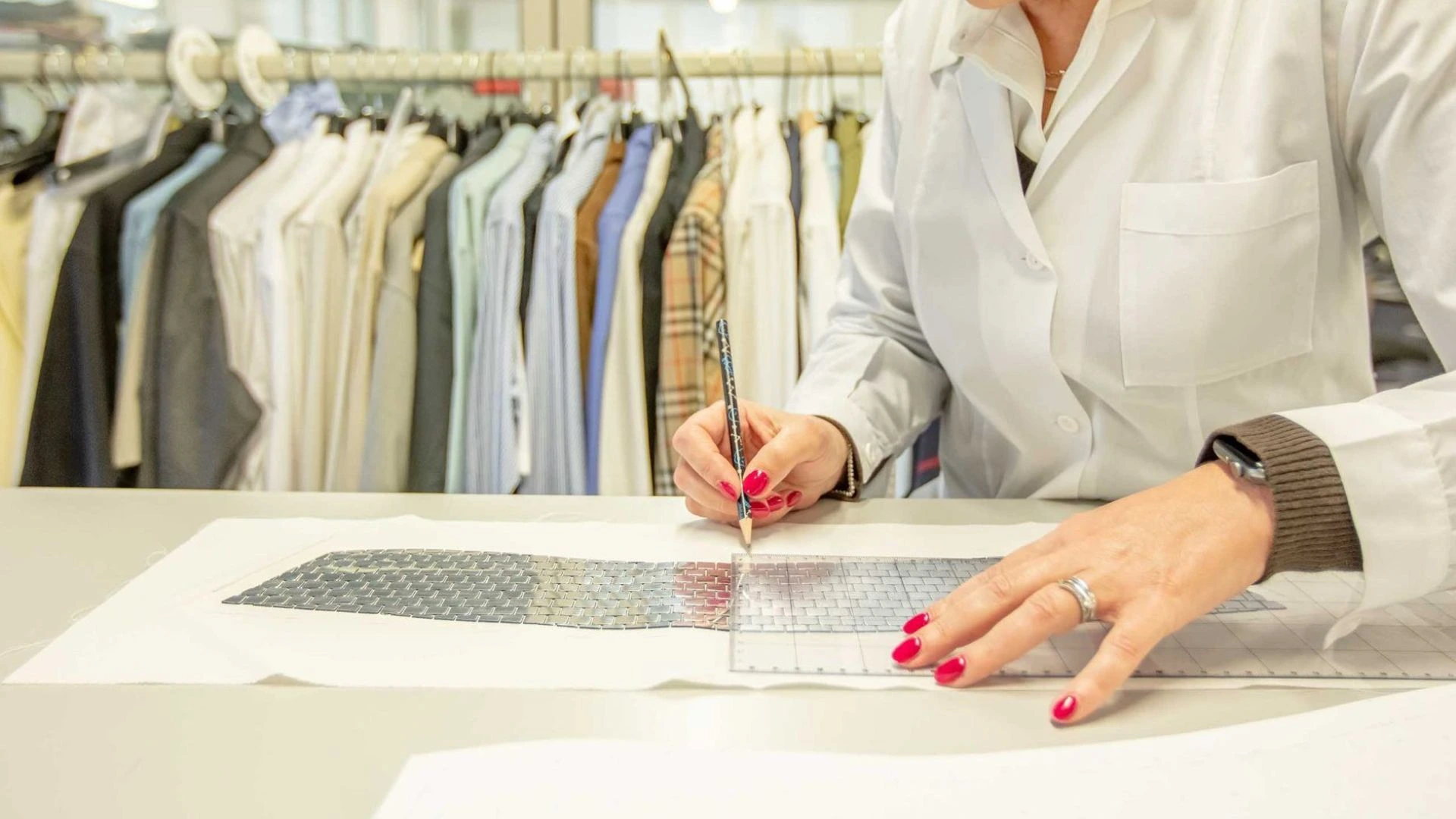
A mess of fabric scraps on the floor is a sign of a mess in your bulk order. Professional factories like Bless Clothing treat their sample room like a laboratory. Patterns should be digitally filed, and reference samples should be tagged with dates and revision numbers.
2. Specialized Machinery
If they claim they can make everything from silk dresses to heavy winter coats on the same floor, be careful. High-end casual wear requires specific machines like Flatlock stitchers or automatic pocket setters. A pro factory is honest about their "specialty."
3. Transparent Supply Chain
A pro factory won't hide their fabric sources. They should be able to provide material safety data sheets or fiber origin certificates upon request.
Certifications: What Actually Matters in 2026
Don't be blinded by a long list of logos. Focus on these "Big Three":
- Social Compliance (BSCI/SEDEX): Ensures fair wages and safe working conditions. This is essential for modern brand storytelling.
- Quality Management (ISO 9001): Proves they have a documented system for catching errors before they ship.
- Eco-Friendly (OEKO-TEX/GOTS): If you are marketing "organic" or "skin-safe" clothing, the factory must have these Textile Certifications to back up your claims.
Communication Depth: Testing Their Technical IQ
The easiest way to identify a pro is to see how they respond to your designs.
- The Amateur: Says "Yes, no problem, very cheap" to everything.
- The Pro: At Bless Custom Apparel, we will often push back. We might say, "This seam will be too bulky for this fabric weight; we suggest a different construction." A professional factory acts as your consultant, not just your hands. They should proactively offer "Value Engineering" to help you lower costs without losing quality.
Comparison: Professional Factory vs. Trading Agent
| Feature | Professional Factory (e.g., Bless Clothing) | Trading Agent / Middleman |
|---|---|---|
| Price | Factory-direct (Better margins) | Marked up (Hidden commissions) |
| Visibility | You see the machines and workers | You only see a showroom or office |
| Technical Knowledge | Deep understanding of stitch and fabric | Usually limited to sales and aesthetics |
| Response Time | Fast on technical fixes | Slow (Must call the factory first) |
| MOQ | Clear and negotiable | Often higher to cover agent overhead |
Decision Matrix: Is This Factory Right for Your Brand?
Use this logic to decide if you should move to the sampling stage:
- Do they specialize in your niche? (e.g., Don't go to a denim factory for pajamas).
- Is their MOQ (Minimum Order Quantity) realistic for your growth?
- Do they provide an "End-to-End" service? (Pattern making, sourcing, sewing, and QC).
- Can they provide a physical "Quality Standard" sample?
FAQs: Spotting Red Flags Early
Q: Why is the sample fee so high?
A: Professional factories charge for the time of their most skilled pattern makers and sample sewers. A high sample fee often indicates they take the development phase seriously. At Bless Clothing, we often credit this fee back to your bulk order.
Q: What if they refuse to show me the production floor?
A: Red Flag. Unless they are producing for a major global brand with strict NDAs, a professional factory should be proud to show you their working environment.
Q: How do I know if they are outsourcing my order?
A: Ask for a live video tour during peak hours. If the machines aren't running or the "staff" looks confused, they are likely a middleman outsourcing to a smaller, lower-quality workshop.
Partner with a Proven Expert at Bless Clothing
Identifying a professional factory is about finding a partner that values your brand’s reputation as much as you do. At Bless Clothing, we combine technical expertise with transparent communication to ensure your journey from design to delivery is seamless.
Ready to stop gambling with your production?
Contact Bless Clothing today for a professional consultation. Let us show you what true manufacturing excellence looks like.