
For many clothing startups and growing fashion brands, production cost is one of the biggest challenges. High manufacturing costs can quickly reduce profit margins and make it difficult to scale a clothing business.
From what I’ve seen across casualwear manufacturing projects, the brands that control costs effectively usually focus on product planning, fabric efficiency, and working with experienced manufacturers.
Reducing costs doesn’t mean sacrificing quality. Instead, it means optimizing the production process, material usage, and supply chain decisions.
In this guide, I’ll explain practical strategies casual clothing brands can use to reduce production costs while maintaining product quality.
Table of Contents
- Quick Answer
- Why Production Costs Matter for Clothing Brands
- Main Cost Factors in Clothing Manufacturing
- Strategy 1: Simplify Product Design
- Strategy 2: Choose Cost-Efficient Fabrics
- Strategy 3: Optimize Order Quantities
- Strategy 4: Improve Fabric Utilization
- Strategy 5: Work With Experienced Manufacturers
- Strategy 6: Plan Production Early
- Common Cost Reduction Mistakes
- FAQ
- Final Thoughts
Quick Answer
Casual clothing brands can reduce production costs by optimizing design, fabrics, and manufacturing strategies.
| Strategy | Cost Impact |
|---|---|
| simplify product design | reduces labor time |
| select efficient fabrics | lowers material cost |
| increase production quantity | improves unit pricing |
| reduce fabric waste | improves material efficiency |
| choose reliable manufacturers | prevents costly errors |
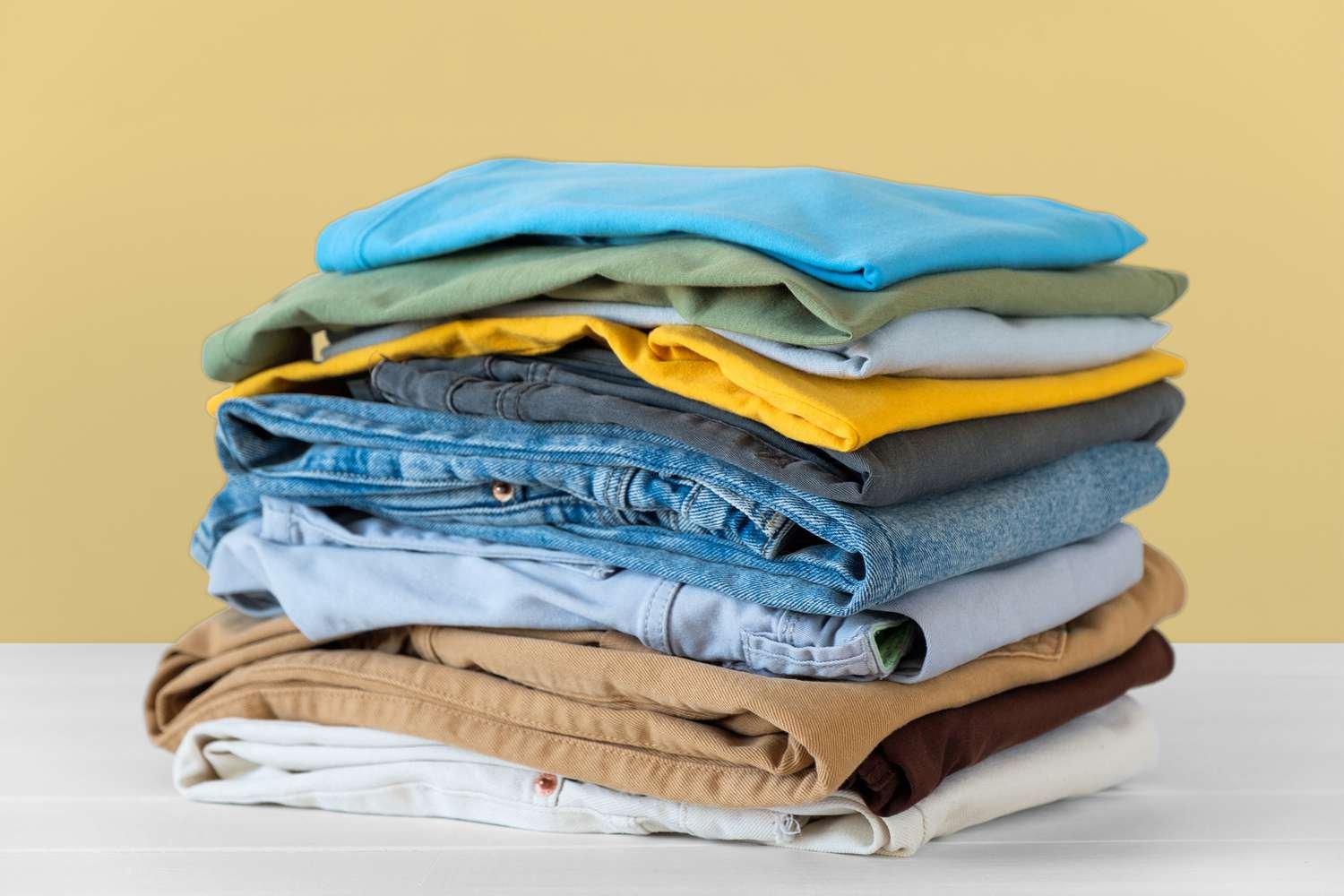
Many brands collaborate with manufacturers like Bless Clothing to improve production efficiency and control costs.
Why Production Costs Matter for Clothing Brands
Production cost directly affects the profitability and scalability of a clothing brand.
Key reasons brands monitor production cost carefully:
| Reason | Impact |
|---|---|
| profit margin | determines retail pricing flexibility |
| business sustainability | supports long-term operations |
| product competitiveness | allows brands to compete in the market |
| inventory planning | reduces financial risk |
Managing production costs effectively helps brands remain competitive.
Main Cost Factors in Clothing Manufacturing
Before reducing costs, brands need to understand what drives manufacturing expenses.
| Cost Component | Description |
|---|---|
| fabric cost | largest portion of garment cost |
| labor cost | sewing and assembly |
| trims and accessories | zippers, buttons, labels |
| sampling and development | product testing |
| logistics | shipping and packaging |
Among these, fabric and labor typically represent the largest share of costs.
Strategy 1: Simplify Product Design
Complex garment designs increase production cost.
For example:
| Design Feature | Cost Impact |
|---|---|
| multiple panels | higher labor time |
| complex embroidery | expensive decoration |
| heavy trims | higher material cost |
Simplifying designs can significantly reduce manufacturing expenses while maintaining product appeal.
Strategy 2: Choose Cost-Efficient Fabrics
Fabric selection strongly affects garment pricing.
| Fabric Option | Cost Efficiency |
|---|---|
| cotton blends | balanced price and durability |
| recycled fabrics | sometimes cost-effective |
| mid-weight fabrics | efficient for casualwear |
Organizations such as Textile Exchange provide information about textile sourcing and responsible fabric selection.
Choosing the right fabric helps brands balance quality and affordability.
Strategy 3: Optimize Order Quantities
Production cost per unit often decreases as order quantity increases.
| Quantity Level | Cost Effect |
|---|---|
| small orders | higher unit cost |
| medium production runs | moderate unit cost |
| large orders | lowest unit cost |
Brands should find a balance between inventory risk and production efficiency.
Strategy 4: Improve Fabric Utilization
Fabric waste can significantly increase garment cost.
Manufacturers reduce waste through:
- efficient pattern layouts
- digital cutting technology
- optimized fabric markers
Better fabric utilization can improve cost efficiency across large production runs.
Strategy 5: Work With Experienced Manufacturers
Reliable manufacturers can help brands reduce production costs in several ways.
Benefits include:
| Benefit | Explanation |
|---|---|
| efficient production systems | faster manufacturing |
| supply chain connections | better material sourcing |
| production planning | fewer delays |
Manufacturers such as Bless Clothing help brands streamline manufacturing processes and avoid costly production errors.
Strategy 6: Plan Production Early
Production delays can increase costs due to rush orders and expedited shipping.
Early planning allows brands to:
- secure better fabric pricing
- schedule production efficiently
- avoid rush manufacturing fees
Well-planned production cycles often lead to more predictable costs.
Common Cost Reduction Mistakes
While reducing costs is important, some strategies can damage product quality.
Choosing the Cheapest Materials
Low-quality fabrics can reduce product durability and brand reputation.
Cutting Quality Control
Skipping inspections may lead to defective products.
Ignoring Manufacturer Expertise
Experienced manufacturers often provide valuable production insights.
Cost reduction should focus on efficiency rather than sacrificing product quality.
FAQ
What is the biggest cost in clothing production?
Fabric cost is typically the largest expense in garment manufacturing.
Can small clothing brands reduce production costs?
Yes. By optimizing design and fabric selection, small brands can control manufacturing expenses.
Does larger production reduce cost?
Generally, higher production quantities reduce the cost per garment.
Is working with experienced manufacturers important?
Yes. Reliable manufacturers can help brands avoid mistakes that increase production costs.
Final Thoughts
Reducing production costs is essential for clothing brands looking to grow sustainably.
The most effective strategies include:
- simplifying product design
- selecting efficient fabrics
- optimizing order quantities
- improving manufacturing processes
Brands that focus on smart production planning and reliable manufacturing partners often achieve better cost control and long-term success.
If you’re exploring cost-efficient casualwear production, you can learn more about apparel manufacturing services at Bless Clothing.
Working with experienced clothing manufacturers helps brands balance quality, efficiency, and scalability.