
Starting a casual clothing brand sounds exciting. But once you begin researching, the process can quickly feel overwhelming.
Many founders ask the same questions:
- Where do I even start?
- Do I need design experience?
- How do I find a clothing manufacturer?
- How much money does it take to launch a brand?
From my experience working around apparel production and casualwear manufacturing, most successful brands follow a simple but structured process. The brands that struggle usually skip important steps like market research, product testing, or manufacturing planning.
In this guide, I’ll walk through the exact steps to start a casual clothing brand from scratch, including product development, manufacturing, branding, and scaling your business.
Table of Contents
- Quick Overview
- Step 1: Define Your Brand Concept
- Step 2: Research Your Target Market
- Step 3: Design Your First Product Line
- Step 4: Find a Casual Clothing Manufacturer
- Step 5: Develop Samples and Prototypes
- Step 6: Plan Production and Inventory
- Step 7: Build Your Brand Identity
- Step 8: Launch and Market Your Brand
- Common Mistakes New Clothing Brands Make
- FAQ
- Final Thoughts
Quick Overview
To start a casual clothing brand, you typically need to follow these steps:
| Step | Action |
|---|---|
| 1 | Define brand identity |
| 2 | Research target customers |
| 3 | Design product concepts |
| 4 | Work with a clothing manufacturer |
| 5 | Develop samples |
| 6 | Produce first batch |
| 7 | Launch brand and marketing |
| 8 | Scale production |
Each stage helps reduce risk and build a stronger brand foundation.
Step 1: Define Your Brand Concept
Before designing products, you need a clear brand concept.
Ask yourself:
- Who is your target customer?
- What style will your clothing represent?
- What problem does your brand solve?
For example, many casual clothing brands focus on:
- minimalist everyday wear
- streetwear-inspired designs
- sustainable fabrics
- premium basics
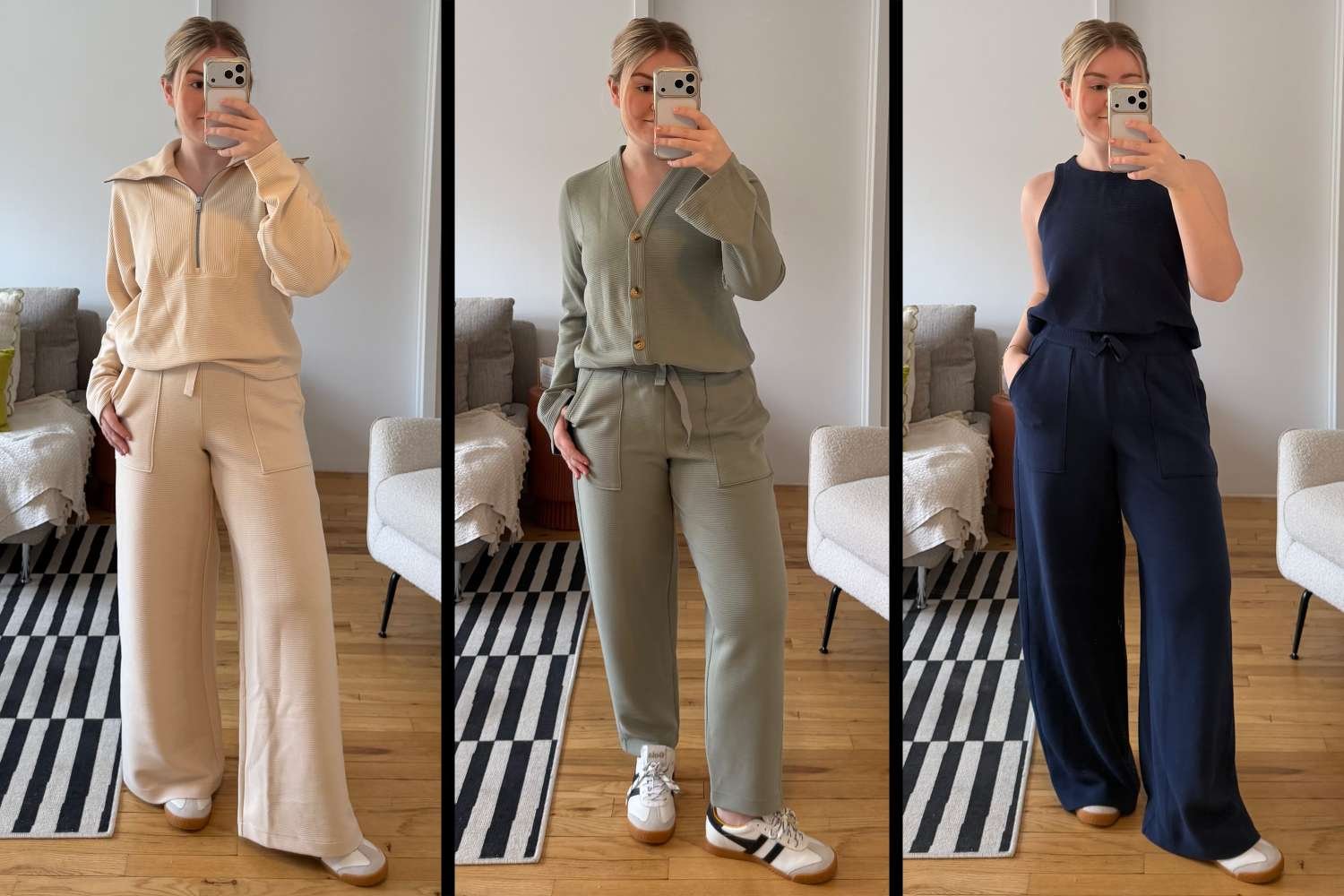
A clear concept helps guide your design decisions later.
Step 2: Research Your Target Market
Market research is one of the most overlooked steps in starting a clothing brand.
Look at existing brands in your niche and analyze:
- product pricing
- style trends
- customer demographics
- best-selling items
For example, brands like Stussy gained popularity by connecting surf culture, streetwear, and youth fashion.
Understanding your market helps you position your brand more effectively.
Step 3: Design Your First Product Line
When launching a new clothing brand, start small.
Most casualwear brands begin with a limited collection such as:
- T-shirts
- hoodies
- sweatshirts
- joggers
Focus on 3–5 core products instead of trying to launch too many styles at once.
This allows you to test your designs without over-investing in inventory.
Step 4: Find a Casual Clothing Manufacturer
Once your designs are ready, the next step is finding a reliable manufacturer.
Manufacturers help with:
- fabric sourcing
- pattern development
- sampling
- bulk production
Working with experienced production partners can make the entire process smoother. For example, companies like Bless Clothing support brands with custom casualwear development and scalable production solutions.
Choosing the right manufacturer is one of the most important decisions you will make.
Step 5: Develop Samples and Prototypes
Before producing your full collection, you should create samples.
Sampling helps you test:
- garment fit
- fabric quality
- logo placement
- stitching durability

Most brands go through 1–3 sample revisions before approving the final product.
Skipping the sampling stage is one of the biggest mistakes new clothing brands make.
Step 6: Plan Production and Inventory
After approving samples, you can move into bulk production.
Typical production factors include:
| Factor | Typical Range |
|---|---|
| MOQ | 50–200 pieces per style |
| Sample development | 7–14 days |
| Production timeline | 3–6 weeks |
Careful production planning helps avoid inventory shortages or overproduction.
Step 7: Build Your Brand Identity
Your clothing brand is more than just products.
Strong brand identity includes:
- logo design
- packaging
- product labels
- website design
- social media presence
Consistent branding helps your products stand out in a crowded market.
Step 8: Launch and Market Your Brand
Once your products are ready, it's time to launch your brand.
Common marketing strategies include:
- social media marketing
- influencer collaborations
- online store launches
- pop-up events
- brand storytelling
Many successful clothing brands grow through community-driven marketing rather than traditional advertising.
Common Mistakes New Clothing Brands Make
Many startups face similar challenges.
Launching Too Many Products
Start with a focused collection instead of dozens of items.
Choosing Manufacturers Only Based on Price
Cheap production often results in lower quality.
Skipping Market Research
Understanding your target audience is essential.
Ignoring Branding
Clothing brands succeed when customers connect with the brand identity.
FAQ
How much money do I need to start a clothing brand?
Startup costs vary widely, but many small brands begin with a few thousand dollars for sampling and production.
Do I need fashion design experience?
Not necessarily. Many brands collaborate with designers or manufacturers during product development.
What products should new brands start with?
T-shirts, hoodies, and sweatshirts are common starting points for casualwear brands.
How long does it take to launch a clothing brand?
Most brands take 2–6 months from concept to product launch.
Final Thoughts
Starting a casual clothing brand requires planning, creativity, and the right production partners.
Successful brands focus on:
- strong brand identity
- carefully designed products
- reliable manufacturing
- consistent marketing
By following a structured process, you can turn an idea into a real clothing brand.
If you're exploring manufacturing solutions for your clothing brand, you can learn more about casualwear production at Bless Clothing.
The right manufacturing partner can make a major difference when launching and scaling your brand.