
Table of Contents
- Quick Answer
- Why Factory-Level Quality Control Matters
- Inside Bless Clothing Factory
- Our Production Process Explained
- How We Control Quality at Every Stage
- Key Quality Standards We Follow
- Common Production Risks (And How We Prevent Them)
- Why Our QC System Works
- Who This Production System Is Built For
- FAQs
- Conclusion
Quick Answer
Bless Clothing ensures product quality through a structured factory process: sample approval, controlled bulk production, multi-stage quality checks, and final inspection before shipment.
From my experience, quality is not something you “check at the end” —
it is something you build into every step of production.
Why Factory-Level Quality Control Matters
Most brands assume quality is about materials or craftsmanship.
But in reality, the biggest issues happen during production:
- Inconsistent sizing across batches
- Logo placement errors
- Stitching defects
- Fabric variation
These problems don’t come from bad intent —
they come from lack of control systems.
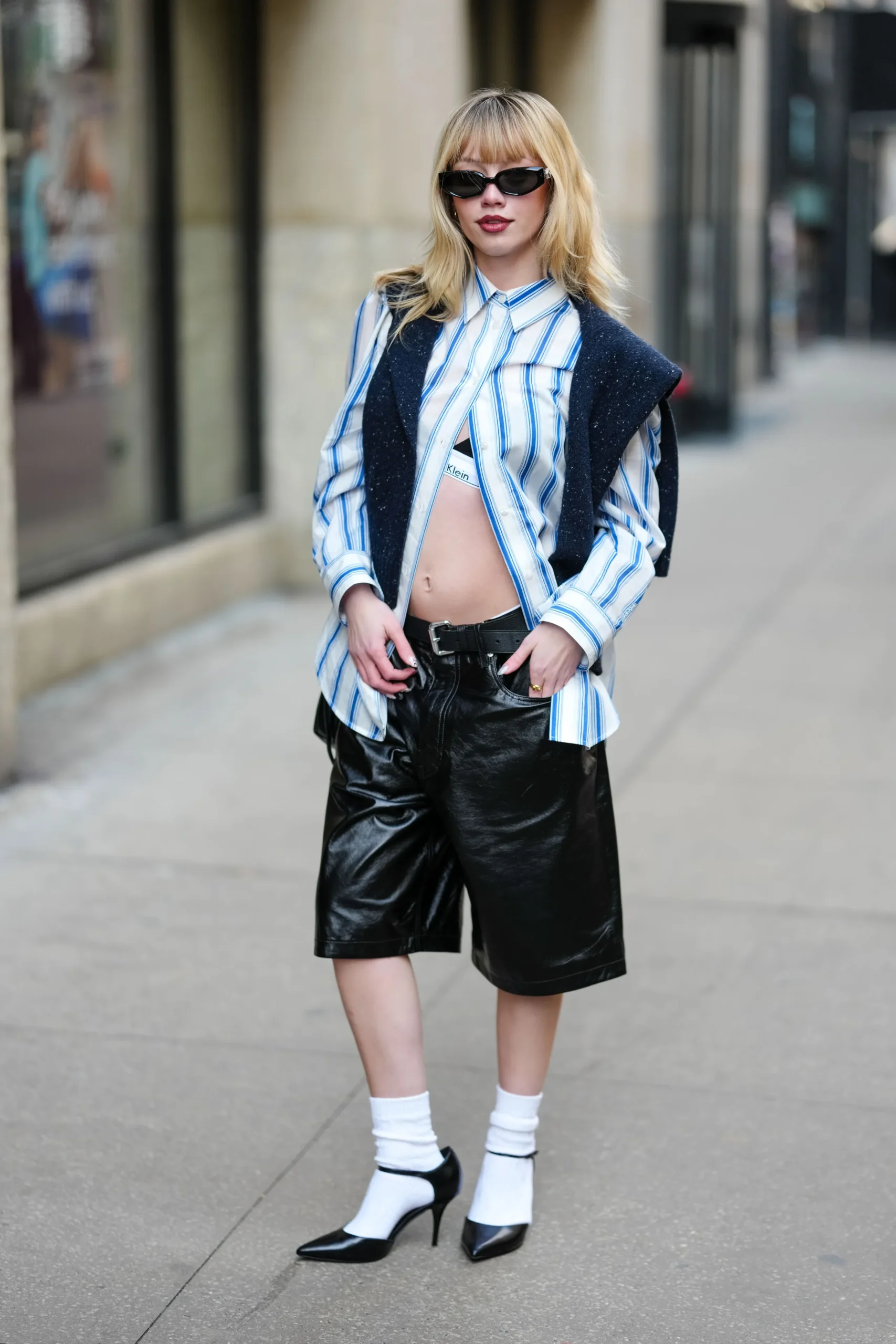
A strong factory is defined by its process, not just its output.
Inside Bless Clothing Factory
At Bless Clothing, production is organized into clearly defined stages.
From what I’ve seen working in apparel manufacturing, factories usually fall into two extremes:
- High-volume factories (efficient but inflexible)
- Small workshops (flexible but inconsistent)
We are built to balance both:
- Controlled production workflows
- Flexible customization capabilities
- Direct communication
This structure allows us to maintain quality even with low MOQ production.
Our Production Process Explained
Here’s how production flows inside our factory:
Step 1: Pre-Production Alignment
We confirm:
- Approved sample
- Fabric specifications
- Measurements and tolerances
No production starts without this step.
Step 2: Fabric Inspection
Before cutting, we check:
- Fabric consistency
- Color accuracy
- Defects
This prevents issues from spreading into production.
Step 3: Cutting Process
Fabric is cut according to patterns:
- Precision cutting reduces size variation
- Controlled layout minimizes waste
Step 4: Sewing & Assembly
Garments are constructed through:
- Stitching
- Panel assembly
- Structural reinforcement
Each stage follows standardized procedures.
Step 5: Printing / Embroidery
Logos and graphics are applied:
- Screen printing
- Embroidery
- Other custom techniques
Accuracy here directly impacts brand perception.
Step 6: Finishing
Includes:
- Thread trimming
- Ironing
- Final shaping
Step 7: Final Inspection & Packing
Every product is checked before packing and shipment.
How We Control Quality at Every Stage
Quality control is not a single step —
it’s layered throughout production.
1. Pre-Production Control
- Sample approval
- Material confirmation
2. In-Line Inspection
During production, we monitor:
- Stitching accuracy
- Size consistency
- Construction quality
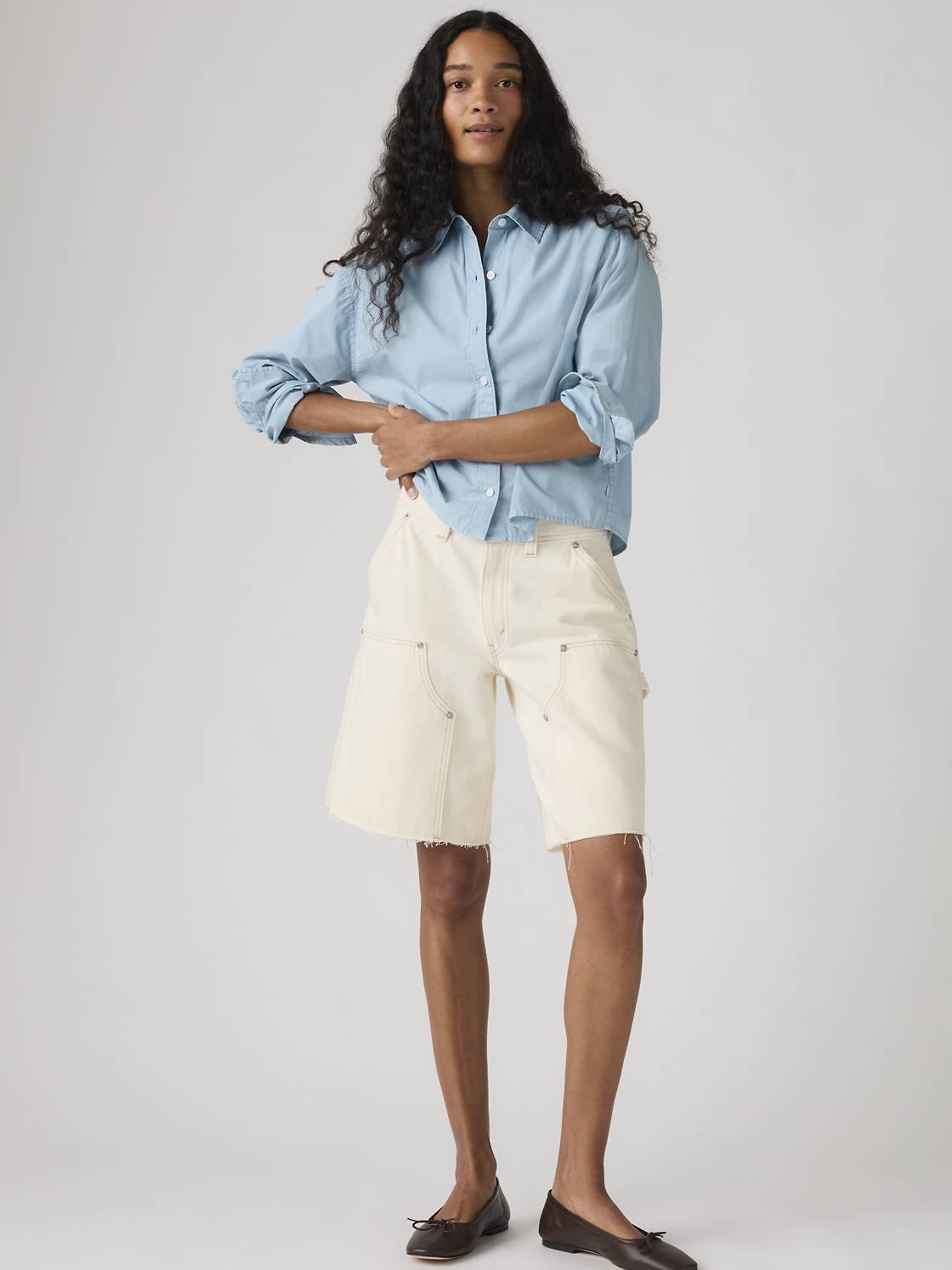
This prevents defects early.
3. Final Inspection
Before shipment, we verify:
- Measurements
- Appearance
- Logo placement
- Overall consistency
Key Quality Standards We Follow
From my experience, strong QC comes from clear standards.
We focus on:
Measurement Accuracy
Maintaining consistent sizing across all units.
Stitching Quality
- Clean seams
- Reinforced stress points
Fabric Stability
- Color consistency
- Shrinkage control
Branding Precision
- Correct logo positioning
- Consistent print/embroidery quality
Common Production Risks (And How We Prevent Them)
Risk 1: Sample vs Bulk Inconsistency
Solution: Strict sample approval and replication.
Risk 2: Fabric Variations
Solution: Pre-production fabric inspection.
Risk 3: Logo Defects
Solution: Controlled application and checks.
Risk 4: Size Inconsistency
Solution: Accurate pattern grading and cutting control.
Why Our QC System Works
From my experience, most factories fail because QC is reactive.
Our approach is proactive:
- Problems are prevented, not just detected
- Each stage has accountability
- Communication stays clear and direct
This reduces:
- Defect rates
- Rework costs
- Delivery delays
Who This Production System Is Built For
Best suited for:
- Startup clothing brands
- Private label brands
- DTC brands (eCommerce & social media)
- Brands focused on quality and consistency
Not ideal for:
- Ultra-low cost bulk production
- Fully automated mass manufacturing
FAQs
How do you ensure consistent quality?
Through multi-stage QC: pre-production, in-line inspection, and final inspection.
Do you check every piece?
We conduct systematic inspections to ensure batch consistency.
What is your MOQ?
Typically around 100 pieces per design.
Can quality be customized?
Yes — based on fabric, construction, and finishing requirements.
Do you ship globally?
Yes, including US and EU markets.
Conclusion
Quality is not an accident —
it is the result of a controlled process.
Inside Bless Clothing factory, every step is designed to protect your product quality.
From my experience, the brands that succeed long-term are the ones that:
- Control production
- Maintain consistency
- Choose the right manufacturing partner
And that’s exactly what this system is built for.