
I get this question a lot: “Is Gap actually better quality than Old Navy, or is it just more expensive?”
After years working with apparel factories and reviewing mass-market brand specs, here’s the straight answer:
Yes—Gap is generally higher quality than Old Navy.
But that doesn’t automatically mean Gap is the better choice for everyone.
This article explains the real differences in fabric, construction, durability, and use cases, so you can confidently choose what fits your needs.
Table of Contents
- Quick Answer
- How Quality Differs in Real Life
- Fabric, Fit & Construction Compared
- Gap vs Old Navy: Side-by-Side
- Which One Should You Choose?
- What Brands Can Learn from This
- FAQ
- Final Verdict
Quick Answer
Gap is higher quality than Old Navy, especially in:
- Fabric weight
- Stitching consistency
- Shape retention after washing
However:
- Old Navy offers better value pricing
- Old Navy prioritizes comfort and affordability over longevity
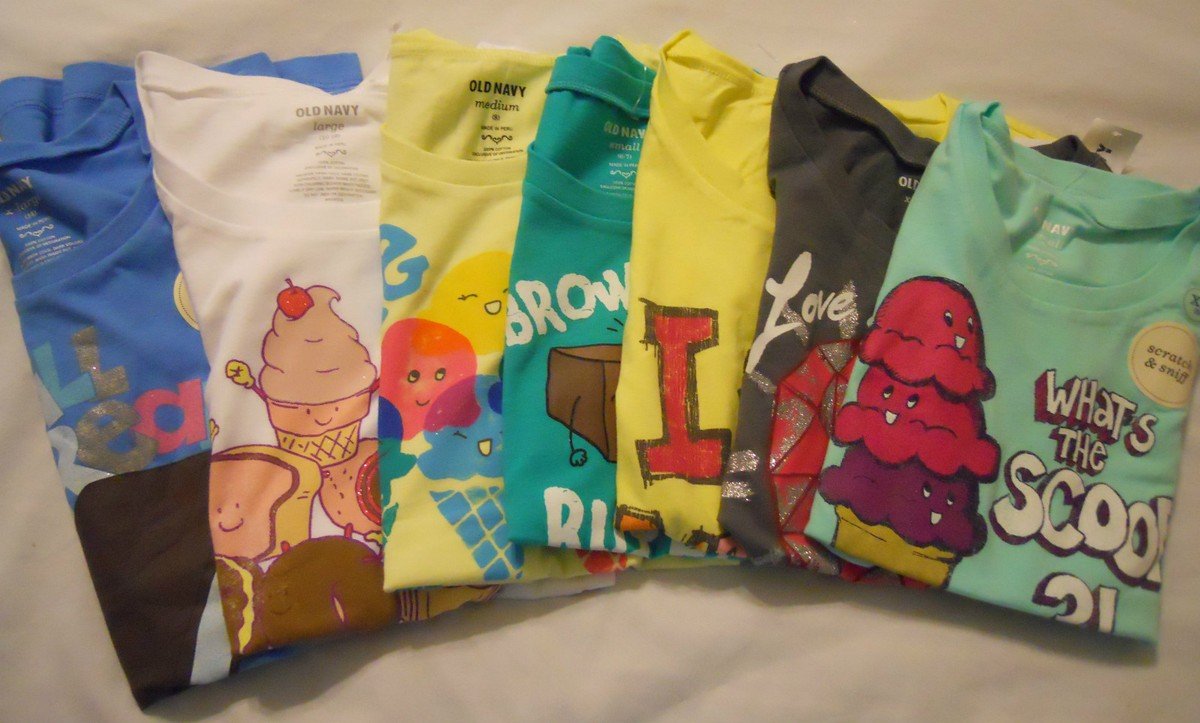
Think of it this way:
- Old Navy = good enough, replaceable basics
- Gap = longer-lasting everyday staples
How Quality Differs in Real Life
Both brands are owned by Gap Inc., but they are built for different customers.
From a manufacturing standpoint:
- Old Navy focuses on cost efficiency and scale
- Gap allows slightly higher material and construction standards
That difference shows up after 6–12 months of wear.
Fabric, Fit & Construction Compared
Fabric
-
- Lighter cottons and blends
- Softer feel initially
- Thins faster with washing
-
- Heavier cottons
- Better yarn consistency
- Holds structure longer
Fit
- Old Navy: relaxed, forgiving, family-friendly
- Gap: more structured, classic silhouettes
Construction
- Old Navy: basic seams, minimal reinforcement
- Gap: cleaner stitching, better neckline and hem stability
Gap isn’t luxury—but it is more refined.
Gap vs Old Navy: Side-by-Side
| Factor | Old Navy | Gap |
|---|---|---|
| T-shirt price | $8–$25 | $25–$45 |
| Fabric weight | Light | Medium |
| Stitching | Basic | More consistent |
| Shape retention | Medium | Better |
| Target use | Everyday, casual | Daily wear, longer use |
| Replacement cycle | 6–12 months | 12–24 months |
Gap costs more—but you usually get more wears per dollar.
Which One Should You Choose?
Choose Old Navy if you:
- Shop for the whole family
- Want budget-friendly basics
- Don’t mind replacing clothes yearly
- Prioritize comfort over durability
Choose Gap if you:
- Want shirts that hold shape
- Prefer classic, timeless style
- Build small, repeatable wardrobes
- Care about fabric feel after washing
There’s no wrong choice—only a right match.
What Brands Can Learn from This
From a private-label and manufacturing view, Gap Inc. uses a smart strategy:
- Same supply chain
- Different quality specs
- Clear customer separation
Old Navy maximizes accessibility.
Gap balances quality + scale.
Many modern brands now aim to sit between these two models—combining Old Navy’s efficiency with Gap-level fabric standards.
If you’re exploring how brands upgrade basics without luxury pricing, see:
👉 blessclothing
FAQ
Is Gap worth the extra money?
Yes, if you want longer wear and better fabric feel.
Do Gap and Old Navy use the same factories?
Often yes—but with different specs and quality controls.
Is Old Navy considered low quality?
No. It’s budget quality, not premium.
Which lasts longer—Gap or Old Navy?
Gap, especially for tees, denim, and sweatshirts.
Final Verdict
Gap is higher quality than Old Navy.
But:
- Old Navy wins on price and accessibility
- Gap wins on fabric and durability
If you treat clothes as replaceable, Old Navy is perfect.
If you want fewer, better basics, Gap is the smarter buy.
Quality isn’t just about the brand.
It’s about how long you expect your clothes to work for you.