
When people ask me, “Is Tommy (Tommy Hilfiger) a luxury brand?” I usually smile—because the answer isn’t a simple yes or no. After working in apparel manufacturing and observing brand positioning for years, I’ve learned that Tommy Hilfiger sits in a unique middle ground: it’s premium lifestyle fashion, not true luxury.
This article gives you a clear, practical answer—no hype, no jargon—so you can decide whether Tommy fits your expectations, budget, and brand perception.
Table of Contents
- Quick Answer
- What Defines a “Luxury Brand”?
- Where Does Tommy Hilfiger Really Sit?
- Tommy vs True Luxury Brands
- Why Many People Feel It’s Luxury
- Who Should Choose Tommy?
- If You’re Building a Brand: Lessons from Tommy
- FAQ
- Final Verdict
Quick Answer
No—Tommy Hilfiger is not a luxury brand.
It is best categorized as a premium mass-market lifestyle brand.
- More upscale than fast fashion like Zara
- Far more accessible than luxury houses such as Gucci or Louis Vuitton
- Focused on aspirational everyday style, not exclusivity
Think of Tommy as “entry-premium”, not luxury.
What Defines a “Luxury Brand”?
In the fashion industry, true luxury brands usually share these traits:
| Luxury Signal | What It Means in Practice |
|---|---|
| Limited production | Small batches, controlled distribution |
| High price floor | Rarely discounted |
| Craftsmanship-first | Hand-finishing, heritage ateliers |
| Strong exclusivity | Not everyone can access it |
| Brand mythology | Long cultural and artistic legacy |
Brands like Chanel, Hermès, and Dior operate in this space.
Tommy Hilfiger does not.
Where Does Tommy Hilfiger Really Sit?
From an industry perspective, Tommy Hilfiger is positioned as:
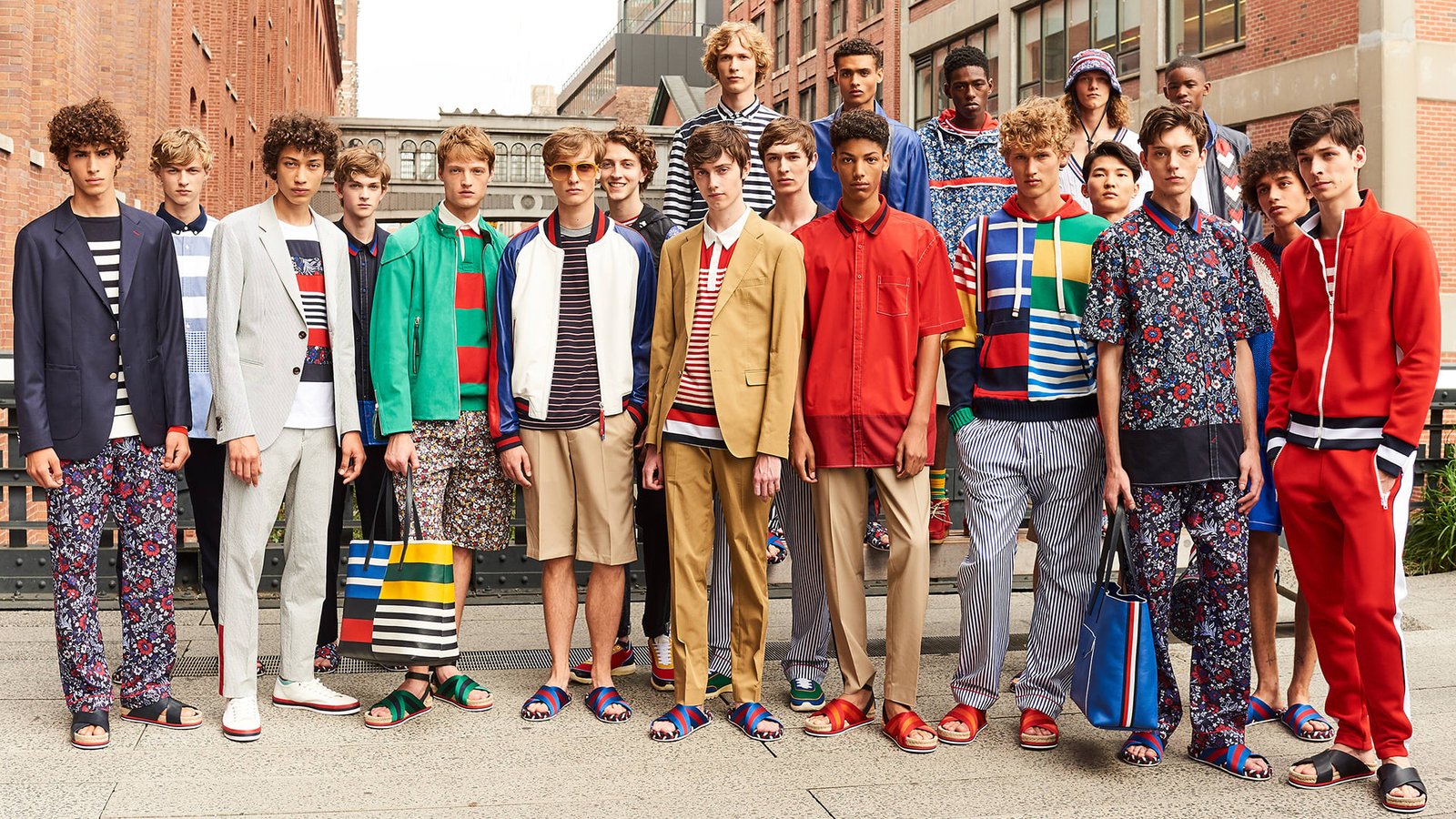
Premium Lifestyle / Upper-Mid Market
Key characteristics:
- Global mass distribution
- Frequent discounts and outlet channels
- Price range accessible to the middle class
- Strong branding, not artisanal scarcity
It’s comparable to:
- Ralph Lauren (main lines)
- Lacoste
- Calvin Klein
These brands feel premium, but they are not luxury.
Tommy vs True Luxury Brands
| Factor | Tommy Hilfiger | Luxury Brands |
|---|---|---|
| T-shirt price | $25–$60 | $300–$800 |
| Distribution | Malls, outlets, online | Flagship boutiques |
| Production scale | Large volume | Limited runs |
| Discounting | Frequent | Rare |
| Core value | Lifestyle branding | Craft + exclusivity |
Tommy sells identity at scale. Luxury sells scarcity and status.
Why Many People Feel It’s Luxury
From a consumer’s point of view, Tommy can feel luxurious because:
- The branding is strong and recognizable
- Prices are higher than fast fashion
- Stores look polished and aspirational
- Celebrity endorsements elevate perception
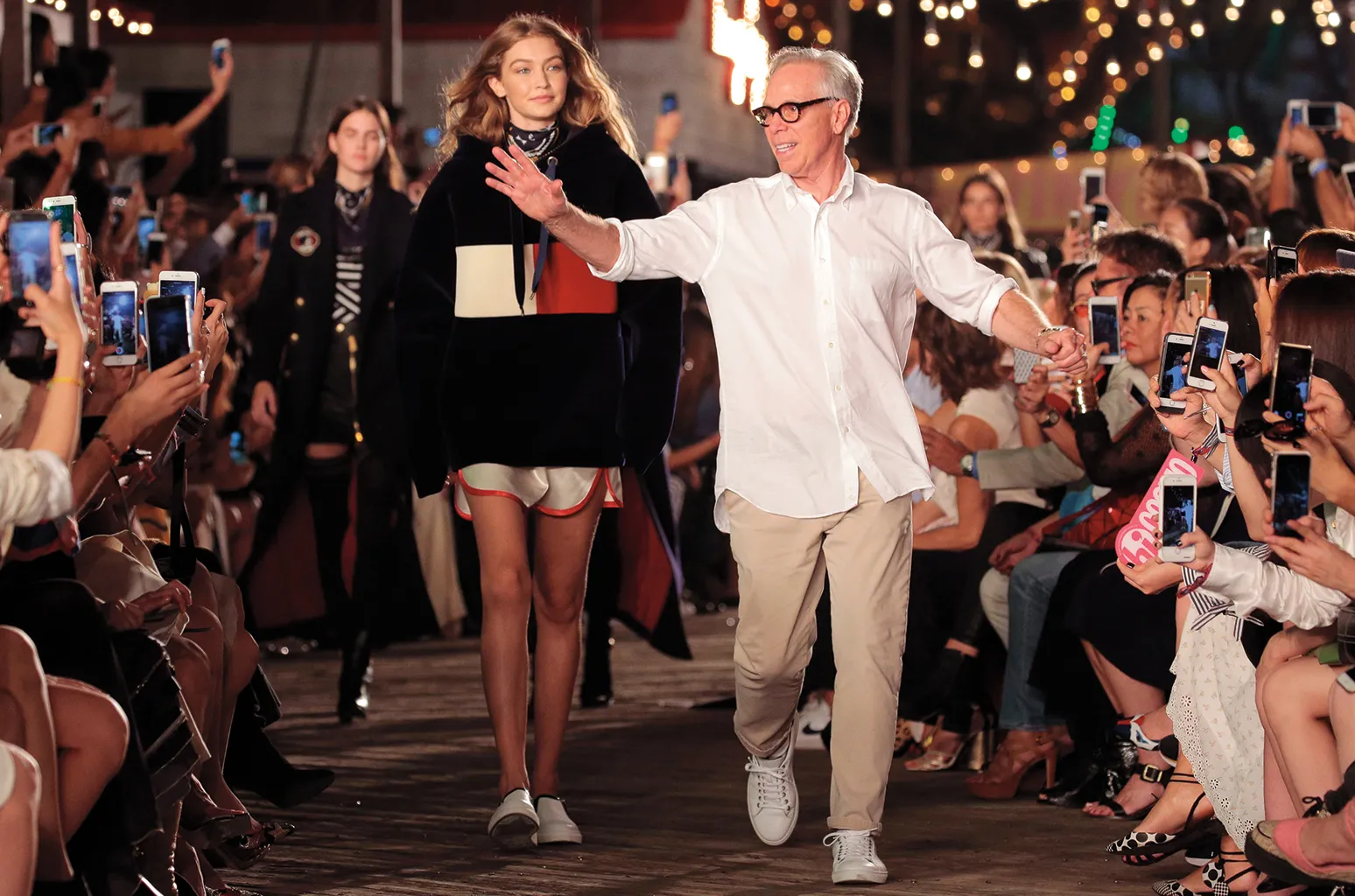
For someone upgrading from basic mall brands, Tommy feels like a luxury step up.
But in the industry, it’s still mass-market premium.
Who Should Choose Tommy?
Choose Tommy if you:
- Want recognizable, safe, global style
- Prefer classic American aesthetics
- Need quality above fast fashion
- Value brand image without luxury pricing
Avoid Tommy if you:
- Want exclusivity
- Care about craftsmanship over logo
- Seek investment pieces
- Expect resale value
If You’re Building a Brand: Lessons from Tommy
Tommy’s real power isn’t in luxury—it’s in scalable brand identity.
What it teaches B2B founders and private-label brands:
- Lifestyle storytelling beats fabric specs
- Consistency builds global recognition
- “Premium feel” can be manufactured at scale
- You don’t need luxury positioning to feel aspirational
This is exactly why many emerging brands today choose to build premium lifestyle labels instead of chasing unattainable luxury status.
You can see how modern private-label brands approach this balance at
👉 blessclothing
FAQ
Is Tommy Hilfiger high-end?
It’s upper-mid market, not high-end luxury.
Is Tommy better than Zara?
In materials and durability, often yes. In trend speed, no.
Why does Tommy have luxury collaborations?
Collaborations boost brand image but don’t change core positioning.
Is Tommy worth the price?
If you value brand recognition and stable quality—yes.
If you seek craftsmanship—no.
Final Verdict
Tommy Hilfiger is not a luxury brand.
It is:
- Aspirational
- Premium
- Mass-market
- Lifestyle-driven
It succeeds because it makes everyday people feel elevated—without the barriers of true luxury.
That’s not a weakness.
That’s its business model.