
I get asked this a lot: “Is Vineyard Vines actually high-end?”
After working around apparel brands and comparing price, materials, and positioning across the market, here’s the clear answer:
No—Vineyard Vines is not a high-end (luxury) brand.
It’s best described as an upper-middle, premium lifestyle brand—comfortable, preppy, and aspirational, but not exclusive or luxury-tier.
Below, I’ll explain why, where it sits on the brand ladder, and whether it’s the right choice for you.
Table of Contents
- Quick Answer
- What “High-End” Really Means
- Where Vineyard Vines Actually Sits
- Vineyard Vines vs Similar Brands
- Who Vineyard Vines Is Best For
- What Brands Can Learn from Vineyard Vines
- FAQ
- Final Verdict
Quick Answer
Vineyard Vines is not high-end.
It’s a premium casual brand with higher prices than mass-market retailers, but far below luxury brands.
- More expensive than basic mall brands
- Less exclusive than luxury houses
- Focused on lifestyle, not craftsmanship prestige
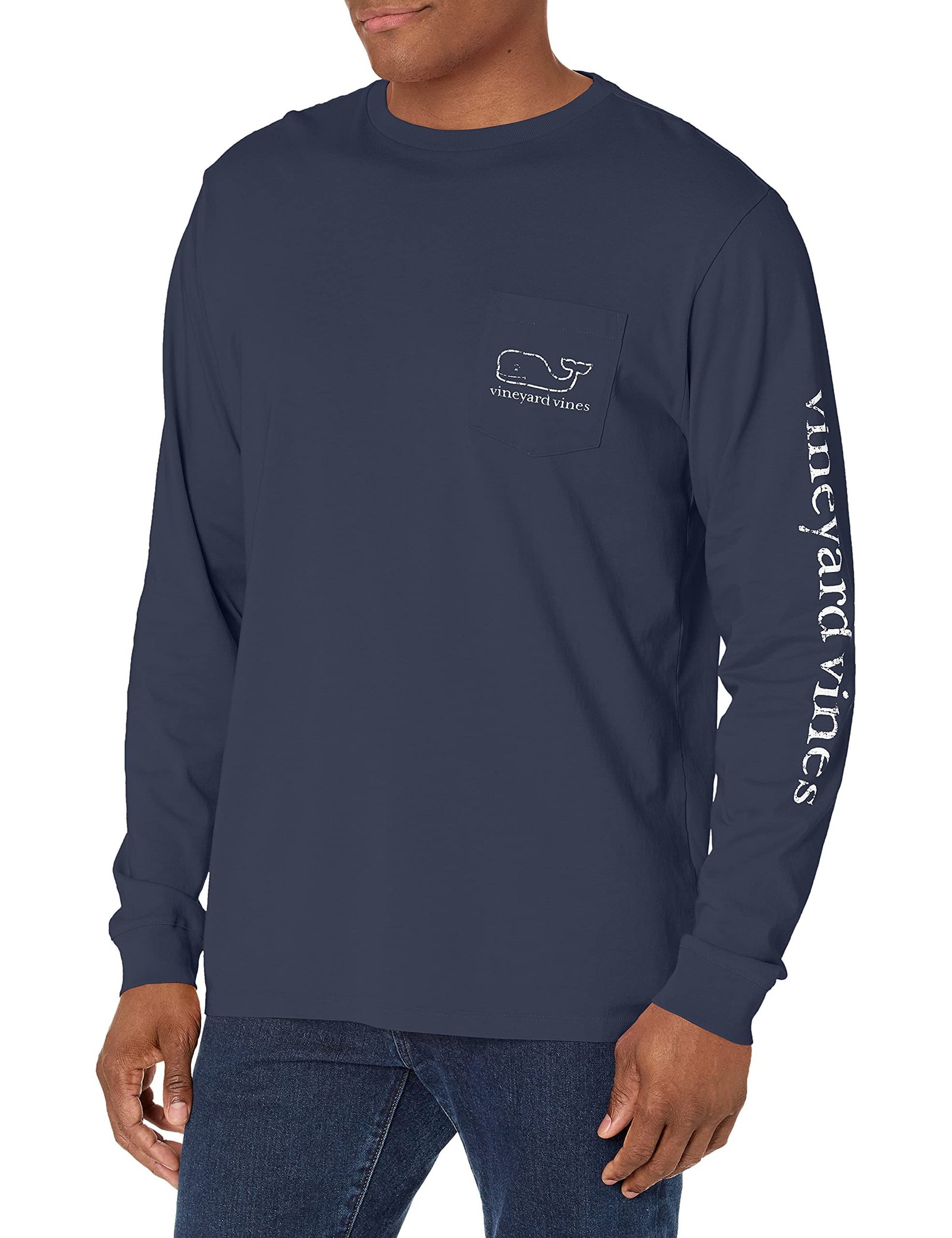
Think comfortable affluence, not luxury.
What “High-End” Really Means
In fashion, “high-end” usually implies:
- Limited production
- Minimal discounting
- Craftsmanship-first construction
- Strong exclusivity and status signaling
- High price floors
Brands like Ralph Lauren Purple Label or European luxury houses operate here.
Vineyard Vines doesn’t.
Where Vineyard Vines Actually Sits
From an industry positioning view, Vineyard Vines sits in the:
Upper-Middle Market / Premium Lifestyle Segment
Typical prices (USD):
- T-shirts & polos: $40–$100
- Shirts & dresses: $100–$200
- Outerwear: $150–$400
Key traits:
- Widely available online and in malls
- Frequent promotions and sales
- Lifestyle branding over artisanal production
This puts Vineyard Vines above Gap or Old Navy, but below true luxury brands.
Vineyard Vines vs Similar Brands
| Brand | Market Level | What You’re Paying For |
|---|---|---|
| Old Navy | Budget | Price & basics |
| Gap | Middle market | Casual staples |
| J.Crew | Upper-middle | Polished everyday wear |
| Vineyard Vines | Upper-middle | Preppy lifestyle identity |
| Luxury brands | High-end | Status & exclusivity |
Vineyard Vines competes on vibe, not luxury credentials.
Who Vineyard Vines Is Best For
Vineyard Vines is a great fit if you:
- Like relaxed, preppy American style
- Want recognizable branding without luxury prices
- Shop for casual weekends, golf, or coastal vibes
- Value comfort and lifestyle identity
It may not be right if you:
- Want luxury craftsmanship
- Expect long-term fabric durability
- Prefer minimalist or fashion-forward design
- Care about resale or exclusivity
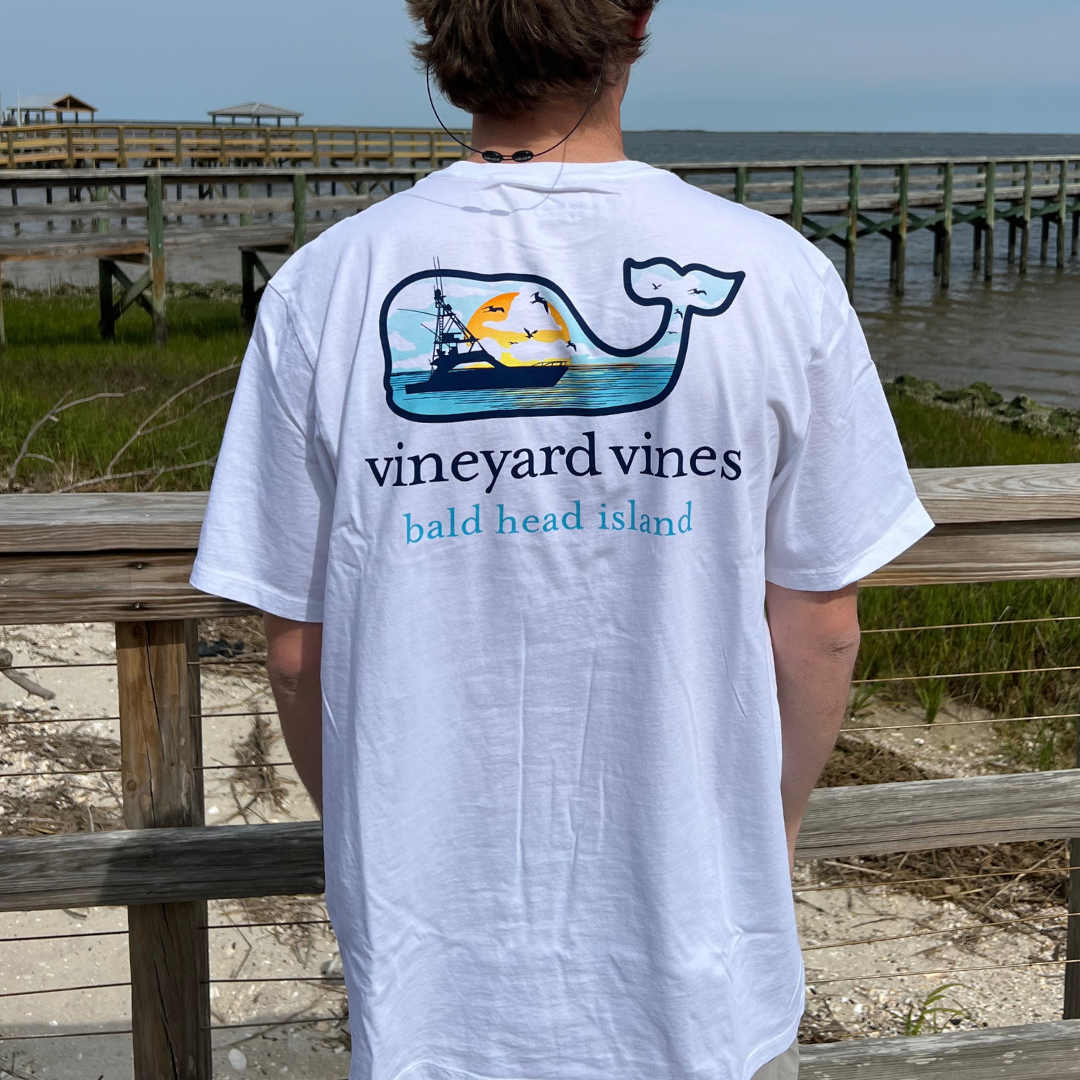
What Brands Can Learn from Vineyard Vines
From a manufacturing and branding perspective, Vineyard Vines shows that:
- Lifestyle branding can justify premium pricing
- Recognition beats exclusivity at scale
- Comfort sells better than craftsmanship for casual wear
Many private-label brands today aim to sit in this same space:
aspirational, premium-feeling, but accessible.
If you’re exploring how emerging brands build this balance, see:
👉 blessclothing
FAQ
Is Vineyard Vines considered luxury?
No. It’s premium lifestyle, not luxury.
Why does Vineyard Vines feel expensive?
Because branding and lifestyle positioning raise perceived value.
Is Vineyard Vines better quality than J.Crew?
Quality is comparable; J.Crew often offers more structured tailoring.
Who usually shops Vineyard Vines?
Upper-middle-income customers who like preppy, casual style.
Final Verdict
Vineyard Vines is not a high-end brand.
It is:
- Premium
- Lifestyle-driven
- Widely accessible
You’re paying for comfort, identity, and a relaxed preppy image—not luxury craftsmanship or exclusivity.
If that’s what you want, Vineyard Vines delivers.