
Normcore isn’t boring.
It’s intentional simplicity.
As someone who works closely with casualwear brands and apparel production teams, I’ve seen trends rise and disappear every season. But normcore? It keeps coming back — because it isn’t trying to be trendy.
If you’ve ever asked:
- What exactly is normcore?
- Why do “basic” outfits look stylish on some people?
- Is normcore still relevant in 2026?
This guide gives you a clear, structured answer — without fashion jargon.
Table of Contents
- Quick Definition
- What Is Normcore Style?
- Why Normcore Never Goes Out of Style
- Normcore vs Trend-Driven Fashion
- Essential Normcore Wardrobe Checklist
- Who Should Wear Normcore?
- How to Build a Modern Normcore Outfit (Step-by-Step)
- Common Mistakes to Avoid
- FAQ
- Final Thoughts
Quick Definition
Normcore is a minimalist fashion approach focused on timeless, neutral, and functional basics rather than trends.
Think:
- Plain T-shirts
- Straight-leg jeans
- Neutral sweatshirts
- Classic sneakers
- Relaxed tailoring
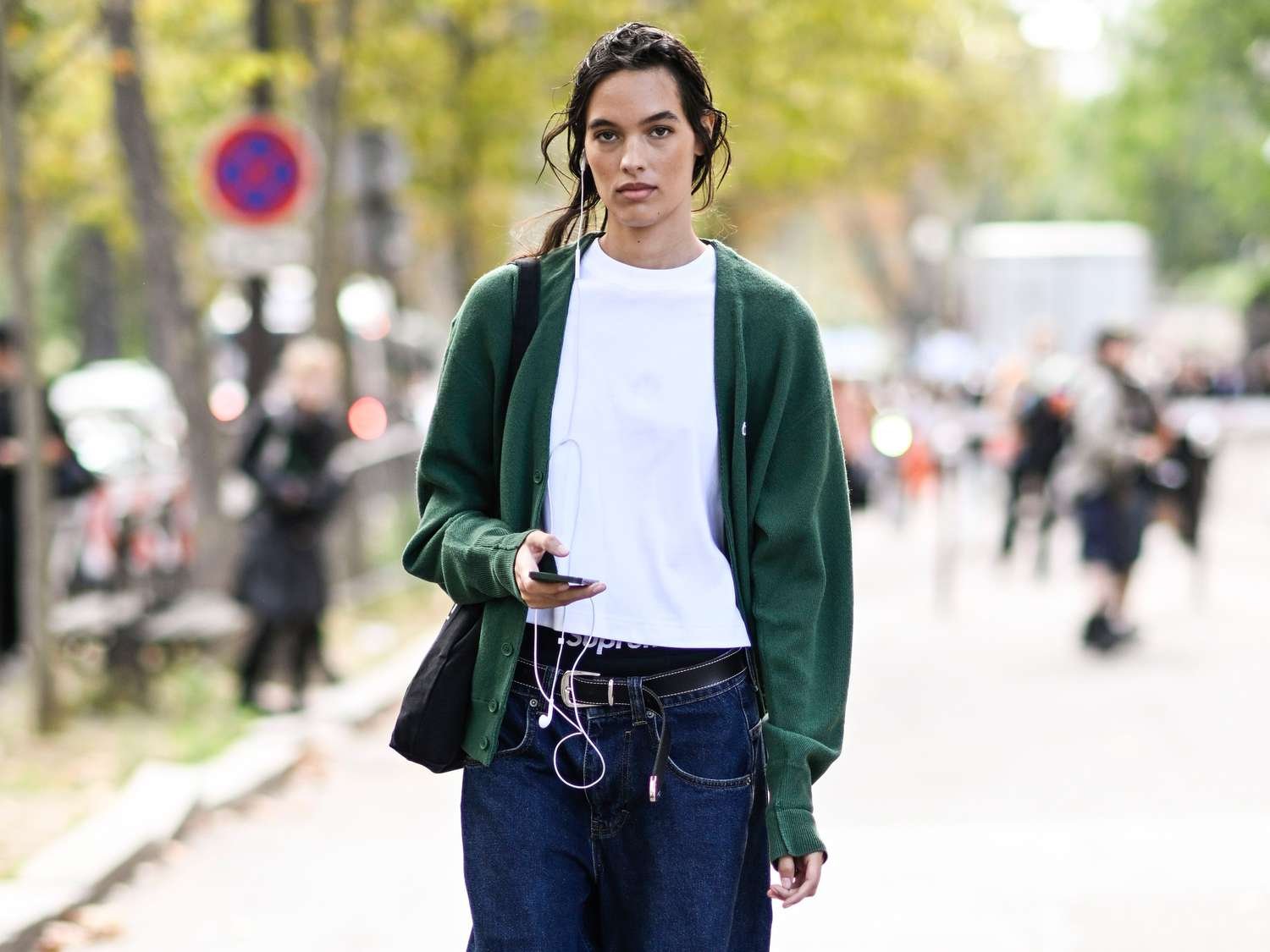
It’s about blending in — but doing it well.
What Is Normcore Style?
The term “normcore” gained attention in the 2010s and was widely discussed after coverage by The New York Times.
But here’s what it really means in 2026:
Wearing everyday basics with intention, fit precision, and quality focus.
From a manufacturing perspective, I’ve noticed normcore buyers care more about:
- Fabric weight (GSM matters)
- Stitch density
- Collar shape retention
- Wash durability
- Neutral color consistency
Normcore is simple — but quality-sensitive.
Why Normcore Never Goes Out of Style
1️⃣ It Avoids Trend Fatigue
Trend-driven fashion expires quickly.
Normcore doesn’t rely on:
- Loud graphics
- Seasonal color spikes
- Viral silhouettes
Instead, it focuses on longevity.
2️⃣ It Works in Multiple Settings
Normcore outfits transition easily:
- Office (business casual)
- Coffee meetings
- Travel
- Errands
- Casual dinners
That versatility makes it economically smart.
3️⃣ It Aligns With Modern Minimalism
In 2026, consumers value:
- Fewer pieces
- Higher quality
- Capsule wardrobes
- Sustainable purchasing decisions
Normcore fits this mindset perfectly.
Brands like Uniqlo and Everlane built entire identities around refined basics.
Normcore vs Trend-Driven Fashion
| Feature | Normcore | Trend-Driven Fashion |
|---|---|---|
| Color palette | Neutral, muted | Seasonal & bold |
| Branding | Minimal or none | Logo-heavy |
| Longevity | Multi-year wearable | Short seasonal cycle |
| Fabric focus | High importance | Often secondary |
| Styling goal | Effortless | Attention-grabbing |
| Reorder value (OEM perspective) | High | Inconsistent |
From production data I’ve seen, high-quality basics often have stronger repeat order rates than graphic-heavy trend pieces.
Essential Normcore Wardrobe Checklist
If you want to build a normcore wardrobe, start here:
Tops
- 220–260 GSM heavyweight T-shirt (white, grey, black)
- Relaxed crewneck sweatshirt
- Neutral overshirt or light jacket
Bottoms
- Straight-leg denim (mid-wash or black)
- Relaxed tailored trousers
- Minimal joggers
Footwear
- Clean white sneakers
- Neutral trainers
Outerwear
- Structured hoodie
- Simple bomber or chore jacket
For brands developing high-quality basics, manufacturers like
👉 Bless Clothing – Casualwear OEM focus on fabric consistency and clean silhouettes.
Who Should Wear Normcore?
Normcore Is Ideal If You:
- Prefer effortless styling
- Value comfort + structure balance
- Want a capsule wardrobe
- Work in casual or hybrid environments
- Travel frequently
Normcore May Not Be For You If:
- You enjoy bold graphics
- You prefer statement pieces
- You follow micro-trends closely
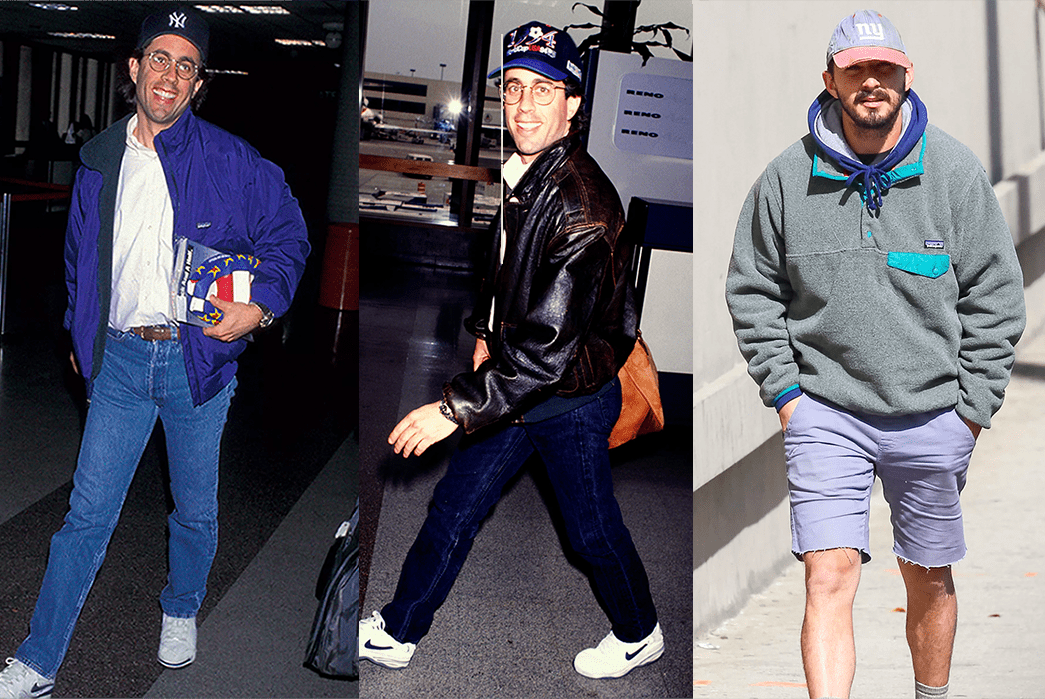
Normcore is about stability, not experimentation.
How to Build a Modern Normcore Outfit (Step-by-Step)
Here’s my practical formula:
Step 1: Start With Fabric Quality
Choose mid-to-heavyweight cotton or structured blends.
Step 2: Focus on Fit
Slightly relaxed, not oversized.
Clean shoulder lines matter.
Step 3: Keep Colors Neutral
White, navy, grey, olive, beige.
Step 4: Limit Accessories
Minimalist watches or simple sneakers.
Step 5: Prioritize Construction
Flat seams.
Neck rib recovery.
Balanced drape.
Normcore looks simple — but poor construction ruins it instantly.
Common Mistakes to Avoid
❌ Wearing shapeless garments
❌ Choosing thin, low-GSM fabrics
❌ Ignoring garment proportions
❌ Mixing too many textures
❌ Over-layering
Normcore isn’t lazy dressing.
It’s controlled simplicity.
FAQ
Is normcore still relevant in 2026?
Yes. In fact, as fast fashion fatigue increases, timeless basics are gaining stronger consumer trust.
Is normcore the same as minimalism?
They overlap, but normcore focuses specifically on everyday casual basics.
Can normcore be premium?
Absolutely. High-quality cotton, structured knits, and refined finishing elevate the look.
Is normcore good for brands?
Yes — basics often have:
- Strong reorder rates
- Easier inventory forecasting
- Less seasonal risk
Final Thoughts
Normcore survives because it doesn’t chase attention.
It prioritizes:
- Fit
- Fabric
- Function
- Versatility
From my perspective in casualwear production, the brands that consistently grow aren’t always the loudest — they’re the most reliable.
Normcore style proves that well-made basics never expire.
If you’re developing refined essentials for your label, explore modern casual manufacturing solutions at:
👉 Bless Clothing