
Many clothing brands rely on OEM manufacturers to turn their design ideas into real products. But if you're new to the apparel industry, the OEM manufacturing process may feel confusing.
What exactly does an OEM clothing manufacturer do? And how do brands work with factories to produce casualwear collections?
From my experience working around clothing production and apparel supply chains, brands that understand the OEM process can develop products faster, reduce production mistakes, and build more reliable partnerships with manufacturers.
In this guide, I’ll explain how OEM casual clothing manufacturing works, what each stage involves, and how clothing brands can successfully manage the process.
Table of Contents
- Quick Answer
- What OEM Means in Clothing Manufacturing
- OEM vs ODM in Apparel Production
- Step-by-Step OEM Manufacturing Process
- Typical Products Made by OEM Casualwear Manufacturers
- Benefits of Working With an OEM Clothing Manufacturer
- Common Challenges in OEM Manufacturing
- How to Choose the Right OEM Casual Clothing Manufacturer
- FAQ
- Final Thoughts
Quick Answer
An OEM casual clothing manufacturer produces garments based on a brand’s own designs, specifications, and branding requirements.
The typical OEM process includes:
- design development
- tech pack preparation
- fabric sourcing
- sample production
- bulk manufacturing
- quality inspection
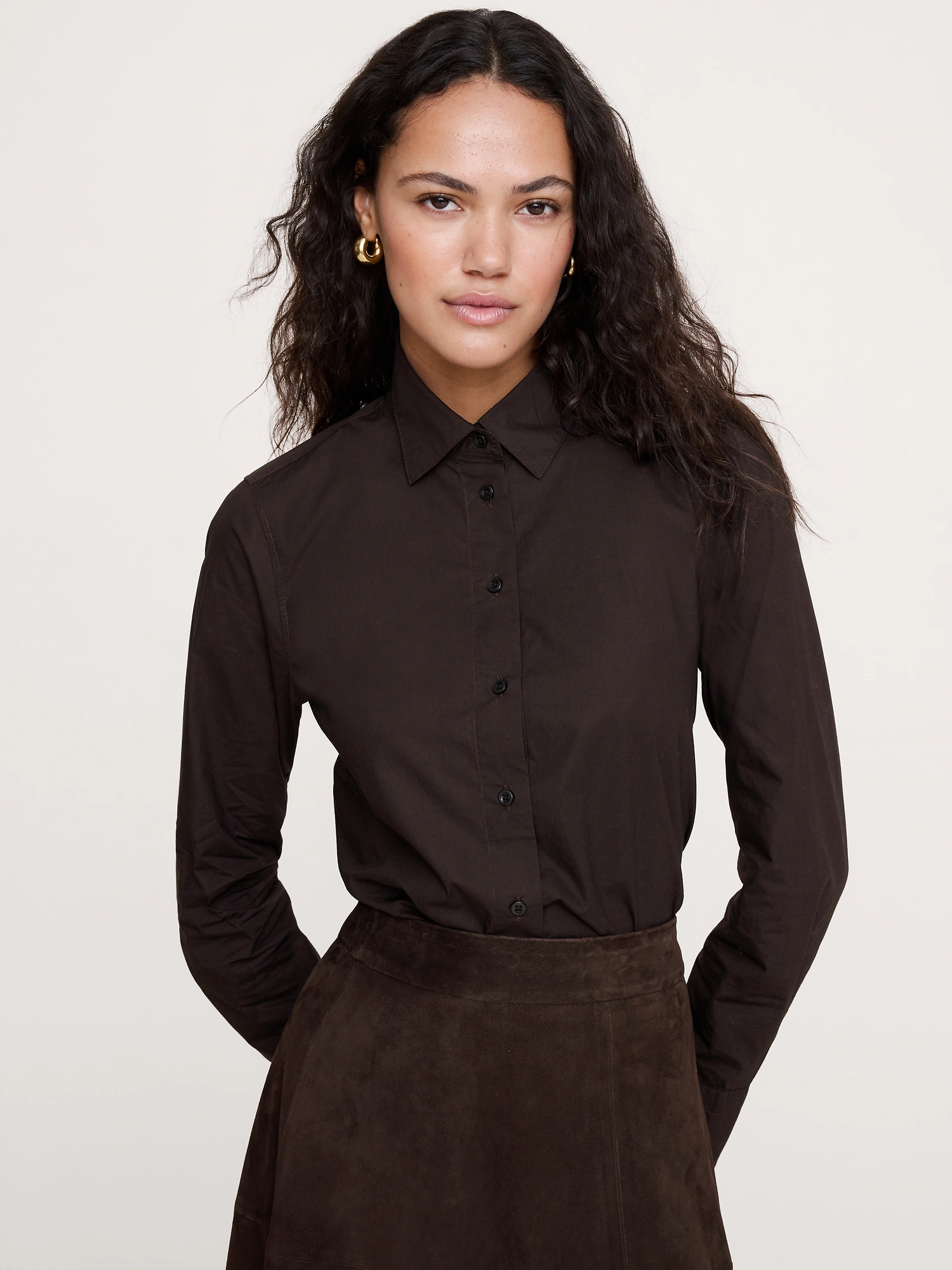
Manufacturers such as Bless Clothing support brands throughout this process by providing custom casualwear production services.
What OEM Means in Clothing Manufacturing
OEM stands for Original Equipment Manufacturer.
In apparel production, OEM manufacturing means the factory produces garments based on the brand’s designs and requirements.
The brand usually provides:
- design concepts
- tech packs
- logo artwork
- size specifications
The manufacturer is responsible for producing the garments according to these instructions.
This model allows clothing brands to maintain full control over product design and branding.
OEM vs ODM in Apparel Production
Understanding the difference between OEM and ODM manufacturing is important for clothing brands.
| Manufacturing Type | Description |
|---|---|
| OEM | factory produces garments based on brand designs |
| ODM | factory provides pre-designed products for branding |
| private label | brand adds its logo to existing products |
OEM manufacturing offers greater design flexibility but usually requires more product development work.
Step-by-Step OEM Manufacturing Process
The OEM apparel production process involves several stages.
1. Product Concept and Design
The brand defines the product idea, including:
- garment type
- target market
- design style
Many casualwear brands begin with core items like T-shirts or hoodies.
2. Tech Pack Preparation
A tech pack contains detailed production information such as:
- measurements
- fabric specifications
- stitching instructions
- label placement
Clear tech packs reduce production errors.
3. Fabric and Material Sourcing
Manufacturers help brands source suitable fabrics and trims.
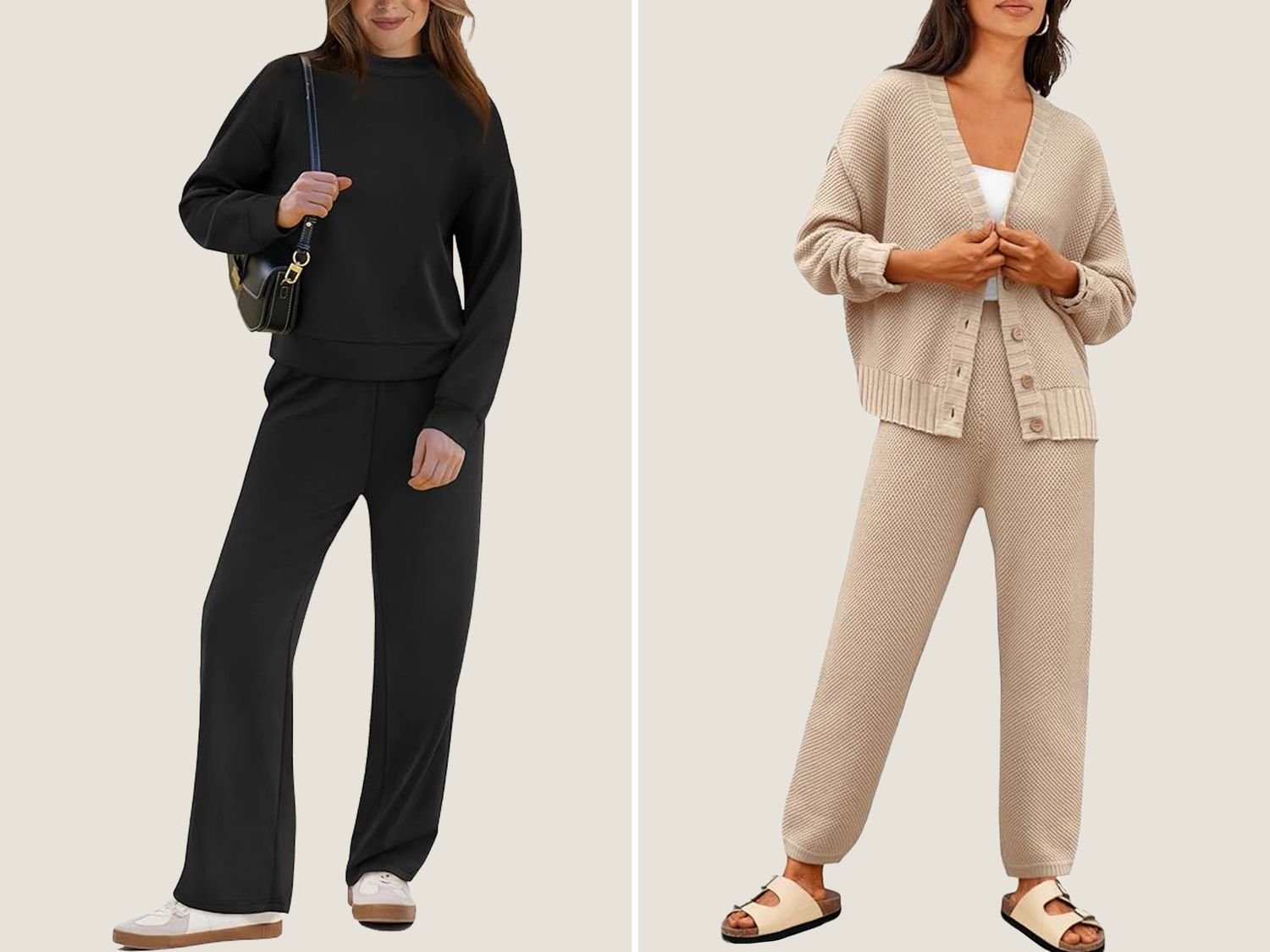
Typical casualwear fabrics include:
| Fabric | Common Use |
|---|---|
| cotton jersey | T-shirts |
| fleece | hoodies |
| French terry | sweatshirts |
| cotton blends | everyday casualwear |
4. Sample Development
Before bulk production begins, manufacturers create prototype samples.
Samples allow brands to evaluate:
- fit and sizing
- fabric comfort
- construction quality
- branding placement
Most garments require multiple sample revisions.
5. Bulk Production
Once samples are approved, the manufacturer begins large-scale production.
Typical production steps include:
| Production Step | Description |
|---|---|
| fabric cutting | preparing garment panels |
| sewing | assembling garments |
| printing/embroidery | adding logos |
| finishing | trimming and ironing |
Factories use assembly-line production systems to improve efficiency.
6. Quality Inspection
Quality control checks ensure garments meet brand standards.
Typical inspections include:
- measurement verification
- stitching inspection
- fabric defect checks
- printing accuracy
International quality standards are often based on systems such as ISO manufacturing guidelines.
7. Packaging and Shipping
After inspection, garments are packaged and prepared for shipment.
Common packaging elements include:
- polybags
- hang tags
- woven labels
- cartons
Products are then shipped to brand warehouses or fulfillment centers.
Typical Products Made by OEM Casualwear Manufacturers
OEM casual clothing manufacturers typically produce a wide range of garments.
| Product Type | Description |
|---|---|
| T-shirts | everyday casualwear essentials |
| hoodies | popular street and casual apparel |
| sweatshirts | comfortable mid-layer garments |
| joggers | relaxed casual pants |
Many brands start with a small core collection and expand over time.
Benefits of Working With an OEM Clothing Manufacturer
OEM manufacturing offers several advantages for clothing brands.
| Benefit | Explanation |
|---|---|
| full design control | brands create unique products |
| scalable production | manufacturers support brand growth |
| professional expertise | factories understand production processes |
| cost efficiency | bulk production reduces unit cost |
Experienced manufacturers such as Bless Clothing help brands manage product development and large-scale production efficiently.
Common Challenges in OEM Manufacturing
Although OEM manufacturing offers flexibility, brands may face several challenges.
Communication Issues
Incomplete product specifications can lead to production errors.
Production Delays
Fabric sourcing or factory scheduling may slow production timelines.
Quality Inconsistencies
Without proper inspection systems, garments may vary in quality.
Strong communication and detailed tech packs help reduce these risks.
How to Choose the Right OEM Casual Clothing Manufacturer
Selecting the right manufacturer is one of the most important decisions for clothing brands.
Key factors to evaluate include:
| Factor | Importance |
|---|---|
| manufacturing experience | ensures product quality |
| sampling process | improves product development |
| production capacity | supports brand scaling |
| communication efficiency | prevents errors |
Brands should work with manufacturers who understand casualwear production and support long-term partnerships.
FAQ
What is an OEM clothing manufacturer?
An OEM clothing manufacturer produces garments according to a brand’s design specifications and branding requirements.
What is the difference between OEM and ODM?
OEM production uses the brand’s designs, while ODM manufacturing offers pre-designed products from the factory.
Is OEM manufacturing suitable for startup clothing brands?
Yes. Many startup brands use OEM manufacturers to produce their first clothing collections.
How long does OEM clothing production take?
Production timelines typically range from 3–6 weeks after sample approval, depending on order size.
Final Thoughts
OEM casual clothing manufacturing allows brands to transform product ideas into market-ready garments.
Understanding the OEM production process helps brands:
- develop better products
- avoid manufacturing mistakes
- scale production efficiently
By working with experienced manufacturers, clothing brands can streamline product development and build reliable supply chains.
If you're exploring OEM casualwear production options, you can learn more about manufacturing services at Bless Clothing.
Choosing the right manufacturing partner is one of the most important steps in building a successful clothing brand.