
Private label is no longer just about putting your logo on existing products. Today, successful brands use private label manufacturing to build distinct, scalable, and profitable product lines.
From my experience working with clothing brands, the difference between a generic brand and a standout brand is simple:
how they approach product development within private label.
In this guide, I’ll break down how brands actually build unique casual clothing collections using private label strategies—and how you can do the same.
Table of Contents
- Quick Answer
- What Is Private Label Casual Clothing?
- Why Private Label Is Growing Fast
- How Brands Build Unique Product Lines
- Private Label vs Fully Custom
- Key Elements of a Strong Product Line
- Product Line Strategy Framework
- How Manufacturers Support Private Label
- Common Mistakes to Avoid
- FAQ
- Final Thoughts
Quick Answer
Brands build unique private label product lines by:
| Strategy | Outcome |
|---|---|
| selecting core products | scalable foundation |
| customizing fabrics & fit | differentiation |
| building consistent design language | strong brand identity |
| working with reliable manufacturers | production stability |
Many brands collaborate with Bless Clothing to develop private label collections that balance customization and efficiency.
What Is Private Label Casual Clothing?
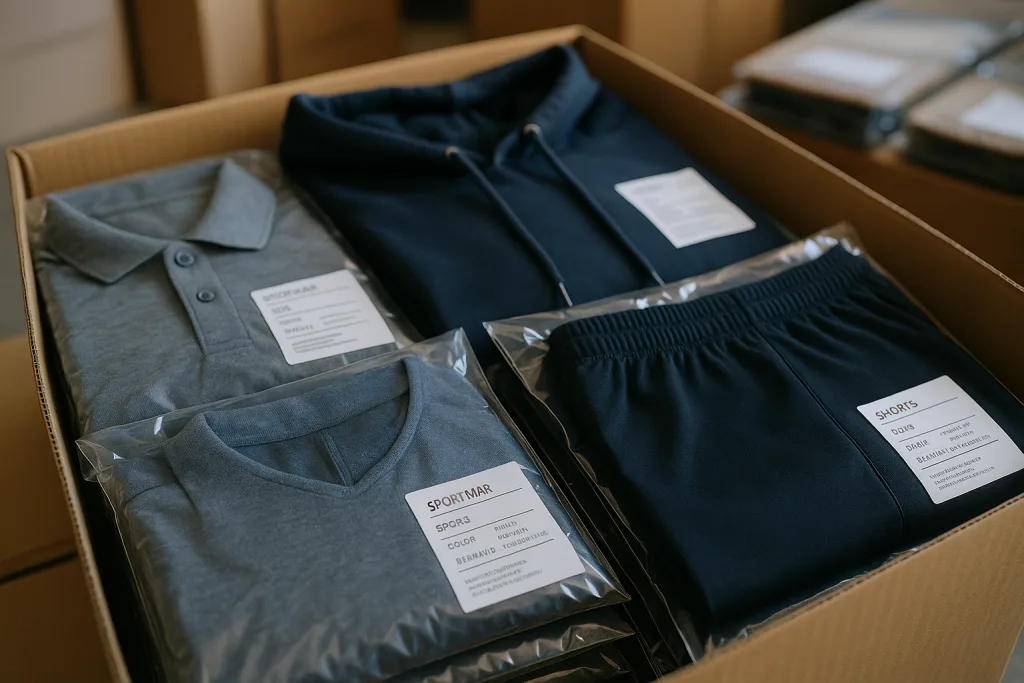
Private label casual clothing refers to:
- pre-developed product bases
- customized with your branding and modifications
This includes:
- logo placement
- fabric upgrades
- fit adjustments
- color variations
It allows brands to launch faster while still maintaining uniqueness.
Why Private Label Is Growing Fast
Private label is expanding due to several key advantages.
Faster Time to Market
Brands can:
- skip full development cycles
- launch products quickly
Lower Risk
Private label reduces:
- design complexity
- upfront investment
Scalability
Products can be:
- easily restocked
- expanded into collections
Industry platforms like Shopify highlight private label as a key model for emerging brands.
How Brands Build Unique Product Lines
This is where most brands either succeed or fail.
1. Start with Core Products
Focus on essentials like:
- T-shirts
- hoodies
- sweatpants
2. Customize What Matters
Instead of overdesigning, adjust:
- fabric quality
- fit
- finishing details
3. Build a Consistent Look
Use:
- similar color palettes
- unified silhouettes
- repeatable styles
4. Create Product Families
Group products into:
- basic line
- premium line
- seasonal drops
Private Label vs Fully Custom
Understanding the difference helps you choose the right path.
| Model | Pros | Cons |
|---|---|---|
| private label | fast, low risk | limited originality |
| fully custom | unique designs | higher cost & time |
From my experience, most successful brands start with private label and gradually move toward custom.

Key Elements of a Strong Product Line
A successful product line is not random—it’s structured.
| Element | Importance |
|---|---|
| consistency | builds brand identity |
| quality | drives repeat purchases |
| scalability | supports growth |
| versatility | increases usability |
These elements help brands create products that sell consistently.
Product Line Strategy Framework
Here’s a simple framework brands can follow.
Step 1: Define Your Core Category
Choose your focus:
- minimalist basics
- streetwear
- comfortwear
Step 2: Build Around Essentials
Start with:
- 3–5 core products
Step 3: Add Variations
Introduce:
- colors
- fabric upgrades
- slight design changes
Step 4: Test and Scale
Launch small batches, then scale successful products.
How Manufacturers Support Private Label
Manufacturers play a critical role in product development.
Product Development Support
They help with:
- fabric selection
- fit adjustments
- sampling
Production Efficiency
They ensure:
- consistent quality
- scalable production
Supply Chain Stability
Working with partners like Bless Clothing helps brands maintain reliable production and growth.
Common Mistakes to Avoid
Mistake 1: Overcomplicating Designs
Too many changes increase cost and risk.
Mistake 2: Ignoring Fabric Quality
Fabric is the core of casualwear.
Mistake 3: Lack of Product Strategy
Random products lead to weak branding.
Mistake 4: Choosing the Wrong Manufacturer
Poor partners result in inconsistent products.
FAQ
Is private label good for new brands?
Yes, it’s one of the fastest and lowest-risk ways to start.
Can private label products be unique?
Yes, through fabric, fit, and branding customization.
What products are best for private label?
T-shirts, hoodies, and other essentials.
How do I scale a private label brand?
Focus on repeatable products and reliable manufacturing.
Final Thoughts
Private label casual clothing is one of the most effective ways to build a modern fashion brand.
Success comes from:
- smart product selection
- consistent design
- strong manufacturing partnerships
If you're ready to build your product line, explore production solutions at Bless Clothing.
The brands that win are not the most creative—they are the most strategic and consistent.