
Starting a clothing brand today is easier than ever. But turning a brand idea into real products on the market requires the right manufacturing partner.
Many founders ask questions like:
- What exactly does a private label clothing manufacturer do?
- How is private label different from OEM or custom manufacturing?
- What should brands prepare before contacting a factory?
From my experience working with apparel production and casualwear development, the brands that grow successfully usually understand how private label manufacturing works before production begins.
In this guide, I’ll explain how private label casual clothing manufacturers operate, what brands should prepare, and how to choose the right production partner.
Table of Contents
- Quick Answer
- What Is a Private Label Casual Clothing Manufacturer?
- Private Label vs Custom Manufacturing
- Why Many Brands Choose Private Label Production
- Typical Services Private Label Manufacturers Provide
- Production Process for Private Label Casualwear
- Cost, MOQ, and Timeline Overview
- How to Choose the Right Private Label Manufacturer
- Common Mistakes New Brands Make
- FAQ
- Final Thoughts
Quick Answer
A private label casual clothing manufacturer produces garments that are branded with your company’s logo and labels.
Instead of creating products entirely from scratch, brands can:
- customize existing garment styles
- add their own branding and packaging
- adjust fabrics or colors
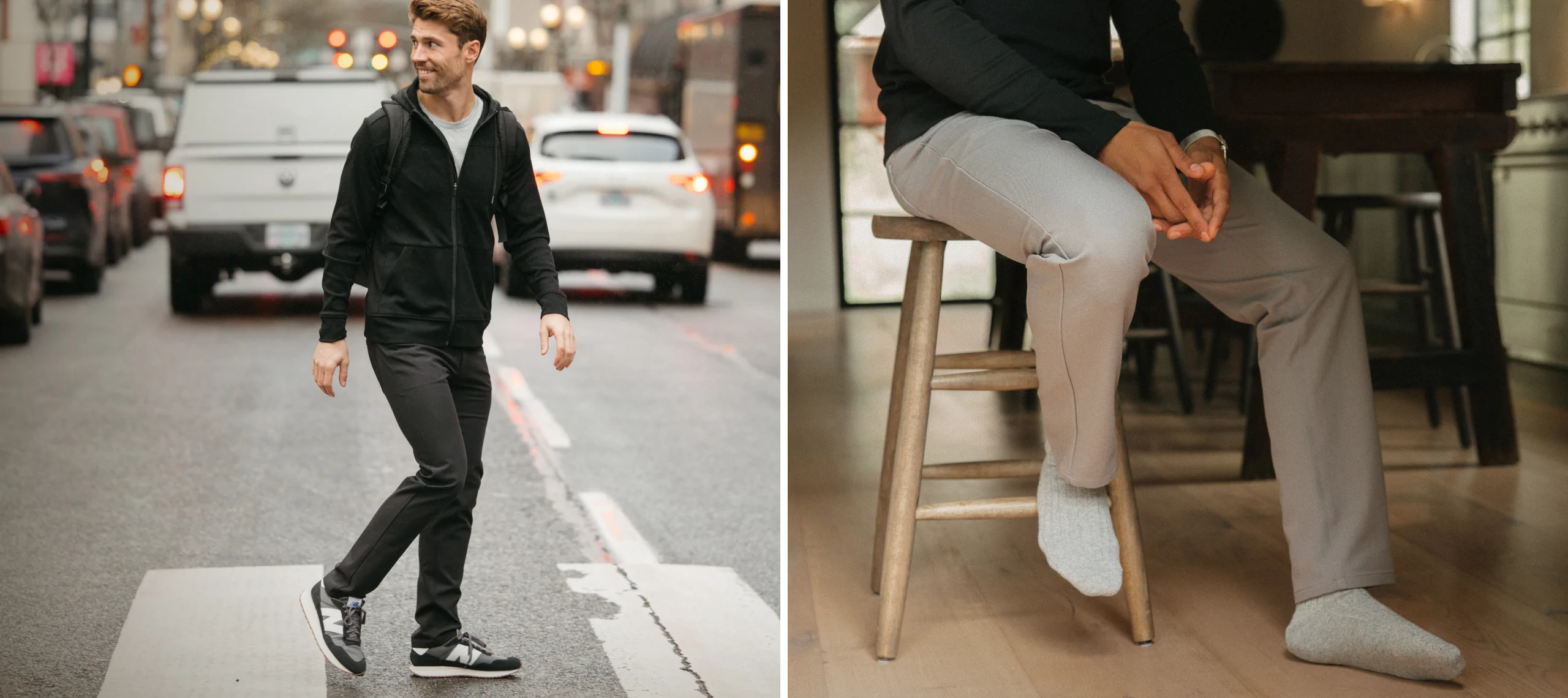
Manufacturers such as Bless Clothing support brands by developing private label casualwear collections that combine efficient production with brand customization.
What Is a Private Label Casual Clothing Manufacturer?
A private label manufacturer produces clothing that carries your brand name, even though the garments are produced by a factory.
In this model:
- the manufacturer handles production
- the brand controls the identity
Typical private label casualwear includes:
- T-shirts
- hoodies
- sweatshirts
- joggers
- casual jackets
This model allows brands to launch collections without building their own factories.
Private Label vs Custom Manufacturing
Understanding the difference between these production models is important for new brands.
| Feature | Private Label | Custom Manufacturing |
|---|---|---|
| Design control | Moderate | Full |
| Development time | Faster | Longer |
| Startup cost | Lower | Higher |
| Product uniqueness | Medium | High |
| Best for | New brands | Established brands |
Private label manufacturing helps brands launch quickly, while custom manufacturing offers deeper design control.
Why Many Brands Choose Private Label Production
Private label manufacturing has become increasingly popular among emerging clothing brands.
Faster Market Entry
Brands can launch collections faster by customizing existing garment templates.
Lower Development Costs
Private label reduces the need for complex pattern development.
Lower Risk
Brands can test products in smaller quantities before scaling.
This approach is especially useful for startups entering the casualwear market.
Typical Services Private Label Manufacturers Provide
Professional private label manufacturers usually offer several services beyond basic production.
Fabric Selection
Factories provide multiple fabric options depending on the product type.
Branding Integration
Manufacturers can add:
- woven labels
- printed tags
- embroidery logos
- custom packaging
Sampling
Brands can review product samples before committing to bulk production.
Bulk Production
Once samples are approved, factories produce the full order.
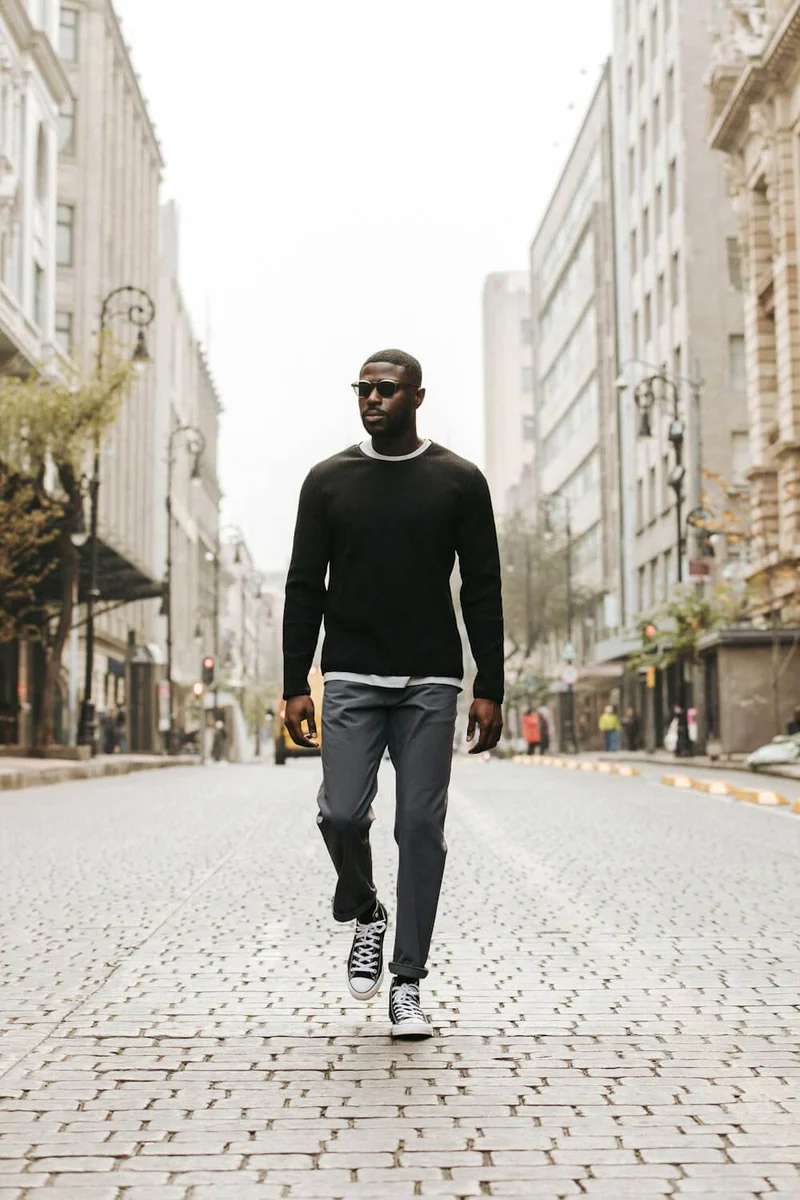
These services help brands create professional-looking products under their own label.
Production Process for Private Label Casualwear
The typical private label production workflow includes several stages.
| Step | Description |
|---|---|
| Style selection | Choose garment base style |
| Fabric selection | Select materials and colors |
| Branding design | Add logos, labels, trims |
| Sample development | Create sample garment |
| Sample approval | Confirm design and fit |
| Bulk production | Manufacture final order |
| Quality inspection | Ensure product standards |
| Shipping | Deliver finished goods |
Each stage helps ensure the final products meet brand expectations.
Cost, MOQ, and Timeline Overview
Private label manufacturing usually involves the following production factors.
| Factor | Typical Range |
|---|---|
| MOQ | 50–200 pieces per style |
| Sample time | 7–14 days |
| Production time | 3–5 weeks |
| Fabric sourcing | depends on material |
Working with experienced manufacturers can help brands optimize production costs and timelines.
Factories such as Bless Clothing assist brands with private label casualwear production and product development support.
How to Choose the Right Private Label Manufacturer
Choosing a reliable manufacturer is one of the most important steps in building a clothing brand.
Experience With Casualwear
Look for factories that specialize in casual garments.
Product Development Support
Manufacturers should assist with fabric selection, sampling, and production planning.
Transparent Communication
Clear production timelines and updates help avoid misunderstandings.
Flexible MOQ
Startups often need smaller production runs to test the market.
Common Mistakes New Brands Make
Many startup clothing brands encounter similar challenges.
Choosing a Manufacturer Only Based on Price
Low prices often come with quality risks.
Skipping the Sample Stage
Samples help identify problems before bulk production.
Weak Branding Preparation
Brands should prepare logos, labels, and packaging before production begins.
Avoiding these mistakes helps ensure a smoother launch process.
FAQ
What is private label clothing?
Private label clothing is produced by a manufacturer but sold under a brand’s own name.
Is private label manufacturing good for startups?
Yes. It allows new brands to launch products faster and with lower upfront investment.
What products are common in private label casualwear?
Common items include T-shirts, hoodies, joggers, and sweatshirts.
Can private label clothing be customized?
Yes. Most manufacturers allow customization of logos, fabrics, labels, and packaging.
Final Thoughts
Private label manufacturing offers an efficient path for launching a clothing brand.
Instead of building complex supply chains from scratch, brands can partner with experienced manufacturers that provide:
- product development support
- scalable production
- branding integration
With the right manufacturing partner, brands can move from idea to market-ready products much faster.
If you're exploring private label casualwear production for your brand, you can learn more about manufacturing solutions at Bless Clothing.