
Private label production has become one of the most popular ways for entrepreneurs to launch clothing brands. Instead of building a factory or developing garments entirely from scratch, brands work with manufacturers that produce clothing under the brand’s own label.
From my experience working around apparel manufacturing and casualwear development, many successful clothing brands begin with private label production because it allows them to enter the market faster while keeping their branding unique.
In this guide, I’ll explain how private label casual wear production works, what the process involves, and how clothing brands can successfully build their own label.
Table of Contents
- Quick Answer
- What Private Label Means in Casualwear
- Private Label vs OEM vs ODM
- Step-by-Step Private Label Production Process
- Common Products for Private Label Casualwear
- Advantages of Private Label Clothing Production
- Challenges Brands Should Consider
- How to Choose a Private Label Manufacturer
- FAQ
- Final Thoughts
Quick Answer
Private label casual wear production allows clothing brands to sell garments manufactured by a factory but branded under their own label.
The process usually includes:
- selecting product styles
- customizing branding elements
- developing samples
- bulk manufacturing
- quality inspection and shipping
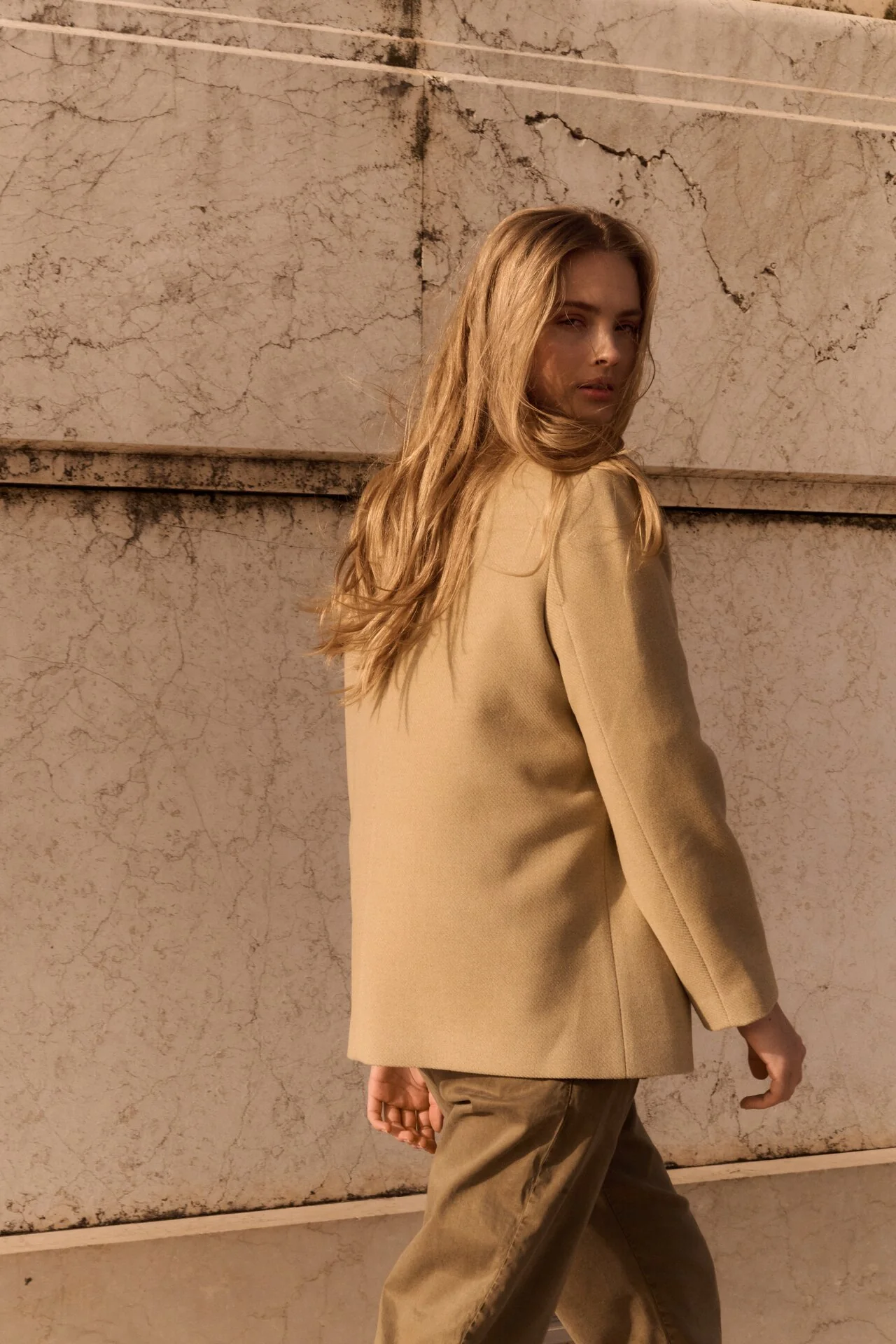
Manufacturers such as Bless Clothing support private label casualwear production by helping brands customize garments with their own branding.
What Private Label Means in Casualwear
Private label clothing refers to garments produced by a manufacturer but sold under a brand’s own name.
In this model:
- the factory produces the garments
- the brand controls the branding and marketing
Private label production allows brands to focus on:
- brand identity
- marketing
- customer experience
instead of managing complex manufacturing operations.
Private Label vs OEM vs ODM
Understanding these manufacturing models helps brands choose the right approach.
| Production Model | Description |
|---|---|
| Private Label | manufacturer produces garments with brand labeling |
| OEM | garments produced based on brand designs |
| ODM | factory provides ready-made designs for branding |
Private label is often the fastest way for new brands to launch products.
Step-by-Step Private Label Production Process
Private label clothing production follows a structured workflow.
1. Product Selection
Brands choose the garments they want to produce.
Common casualwear items include:
- T-shirts
- hoodies
- sweatshirts
- joggers
Starting with a small product range helps brands test the market.
2. Custom Branding
Even though the base product may already exist, brands can customize several elements.
Typical branding options include:
| Branding Element | Purpose |
|---|---|
| woven labels | brand identification |
| printed neck labels | clean garment interior |
| hang tags | brand presentation |
| packaging | improved brand experience |
These details help create a unique brand identity.
3. Sample Development
Before production begins, manufacturers create sample garments.
This step allows brands to review:
- fabric quality
- garment fit
- logo placement
- stitching construction
Adjustments can be made before bulk manufacturing.
4. Bulk Manufacturing
After the sample is approved, the manufacturer begins production.
Typical manufacturing steps include:
| Production Stage | Description |
|---|---|
| fabric preparation | material inspection |
| cutting | preparing garment panels |
| sewing | assembling garments |
| branding application | printing or embroidery |
| finishing | trimming and ironing |
These steps ensure garments are produced according to the brand’s requirements.
5. Quality Inspection
Quality inspection ensures garments meet the brand’s standards.
Typical checks include:
- measurement verification
- stitching inspection
- fabric defect checks
- branding accuracy
Quality control systems help prevent defective garments from reaching customers.
6. Packaging and Shipping
After inspection, garments are packaged and prepared for delivery.
Common packaging elements include:
- polybags
- hang tags
- branded labels
- shipping cartons
Products are then shipped to warehouses or fulfillment centers.
Common Products for Private Label Casualwear
Private label production is widely used for casual clothing collections.
| Product Category | Popular Items |
|---|---|
| tops | T-shirts and sweatshirts |
| outerwear | hoodies |
| bottoms | joggers and sweatpants |
| lifestyle wear | casual everyday apparel |
Many clothing brands begin with core essentials before expanding their collections.
Advantages of Private Label Clothing Production
Private label manufacturing offers several advantages for clothing brands.
| Advantage | Explanation |
|---|---|
| faster market entry | products can launch quickly |
| lower development costs | reduced design complexity |
| flexible production | suitable for small brands |
| branding control | brands maintain identity |
For many startups, private label production provides a practical path to entering the apparel market.
Manufacturers like Bless Clothing support brands by providing private label casualwear production solutions.
Challenges Brands Should Consider
Although private label manufacturing offers many benefits, there are also challenges.
Limited Product Customization
Some manufacturers offer limited design modifications.
Competition
Many brands may use similar base garments.
Quality Differences
Factories vary in quality standards and production experience.
Careful manufacturer selection helps avoid these issues.
How to Choose a Private Label Manufacturer
Choosing the right production partner is crucial for clothing brands.
Important factors include:
| Factor | Why It Matters |
|---|---|
| product quality | ensures durable garments |
| branding customization | supports brand identity |
| communication | reduces production errors |
| production capacity | allows brand growth |
Working with experienced manufacturers helps brands scale production successfully.
FAQ
What is private label clothing production?
Private label clothing production allows brands to sell garments manufactured by a factory under their own brand name.
Is private label suitable for startup clothing brands?
Yes. Many startups use private label manufacturing because it reduces product development complexity.
What products are commonly made through private label production?
Casualwear items such as T-shirts, hoodies, and sweatshirts are common private label products.
Can brands customize private label clothing?
Yes. Brands can usually customize labels, packaging, and branding elements.
Final Thoughts
Private label production is one of the most practical ways for clothing brands to launch casualwear collections.
By working with experienced manufacturers, brands can:
- reduce development time
- lower startup costs
- focus on branding and marketing
If you're exploring private label casualwear manufacturing, you can learn more about production solutions at Bless Clothing.
Understanding how private label production works will help clothing brands build scalable and successful collections.