
Casual fashion has transformed from simple everyday wear into one of the most dominant forces in the global apparel industry. What used to be considered “relaxed clothing” is now shaping how brands design, produce, and scale their collections.
From my experience working with clothing brands, the evolution of casual fashion is not random—it follows clear shifts in consumer behavior, manufacturing capabilities, and lifestyle changes.
In this guide, I’ll break down how casual fashion evolved, what drives it today, and how brands can position themselves for long-term success.
Table of Contents
- Quick Answer
- What Is Casual Fashion Today?
- The Key Stages of Casual Fashion Evolution
- Why Casual Fashion Became Dominant
- Modern Casualwear Characteristics
- Casual Fashion vs Traditional Fashion
- How Manufacturing Has Adapted
- What This Means for Clothing Brands
- Common Misconceptions
- FAQ
- Final Thoughts
Quick Answer
Casual fashion evolved from basic daily wear into a global dominant category due to:
| Driver | Impact |
|---|---|
| lifestyle changes | demand for comfort |
| fabric innovation | better performance |
| fast fashion & supply chains | faster production |
| digital influence | trend acceleration |
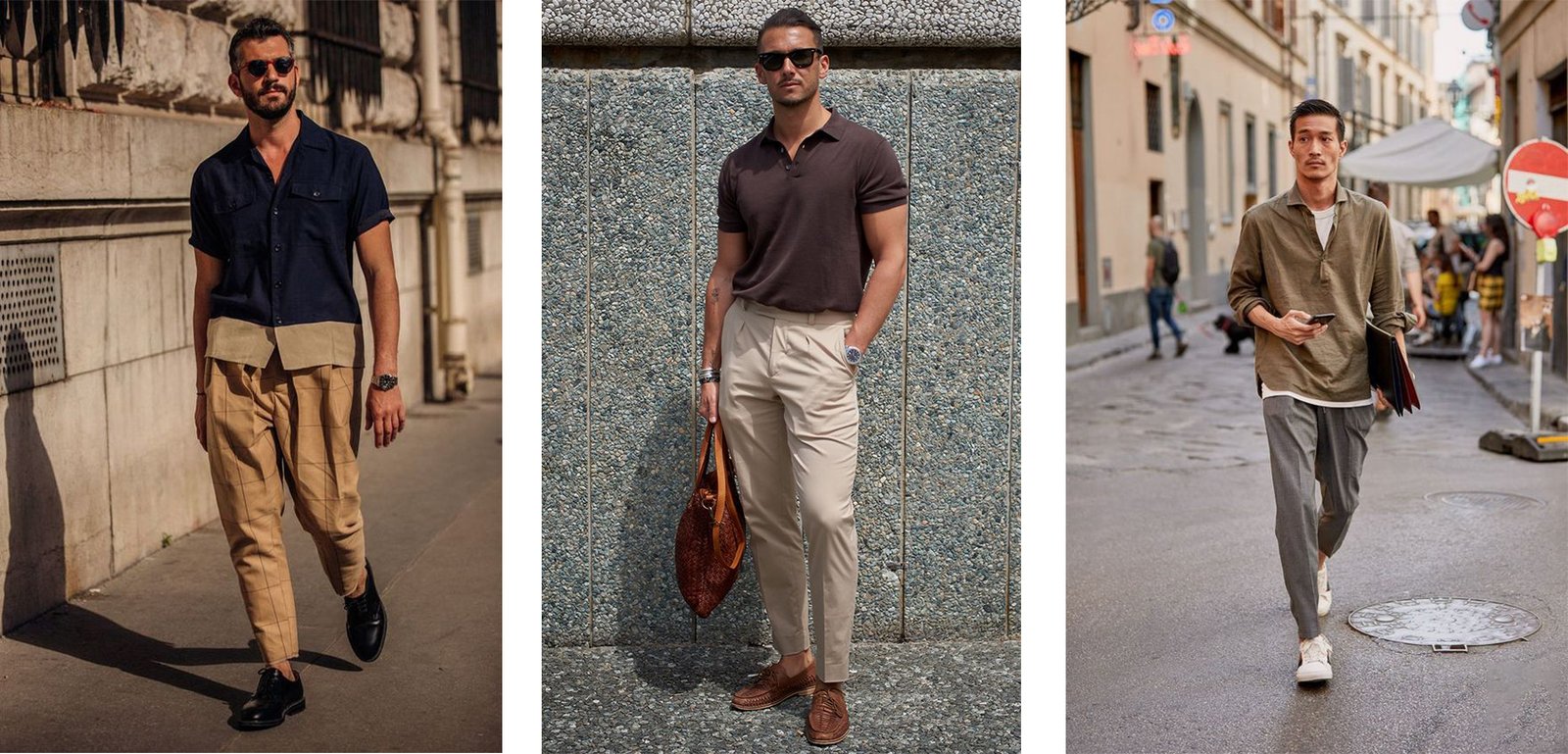
Today, many brands rely on manufacturers like Bless Clothing to develop scalable casualwear collections.
What Is Casual Fashion Today?
Modern casual fashion is defined by:
- comfort
- versatility
- simplicity
- everyday usability
It includes products such as:
- T-shirts
- hoodies
- joggers
- casual outerwear
Unlike earlier decades, casualwear is now worn across:
- work environments
- social settings
- travel
The Key Stages of Casual Fashion Evolution
Understanding the timeline helps explain why casual fashion dominates today.
Stage 1: Functional Basics
Casualwear started as:
- workwear
- sportswear
- utility clothing
Stage 2: Lifestyle Adoption
Casual clothing became popular for:
- daily wear
- off-duty outfits
Stage 3: Streetwear Influence
Streetwear introduced:
- branding
- cultural identity
- design innovation
Stage 4: Comfort Revolution
Recent years have emphasized:
- relaxed fits
- soft fabrics
- multifunctional clothing
Industry insights from Business of Fashion show how casualwear has overtaken formalwear in many markets.
Why Casual Fashion Became Dominant
Several forces contributed to this shift.
1. Changing Work Culture
Remote work and flexible dress codes increased demand for casual clothing.
2. Consumer Lifestyle Shift
Consumers prefer clothing that works across multiple scenarios.
3. Rise of Athleisure
Athleisure blurred the lines between:
- performance wear
- casual fashion
4. Globalization of Trends
Social media accelerated:
- trend adoption
- product demand
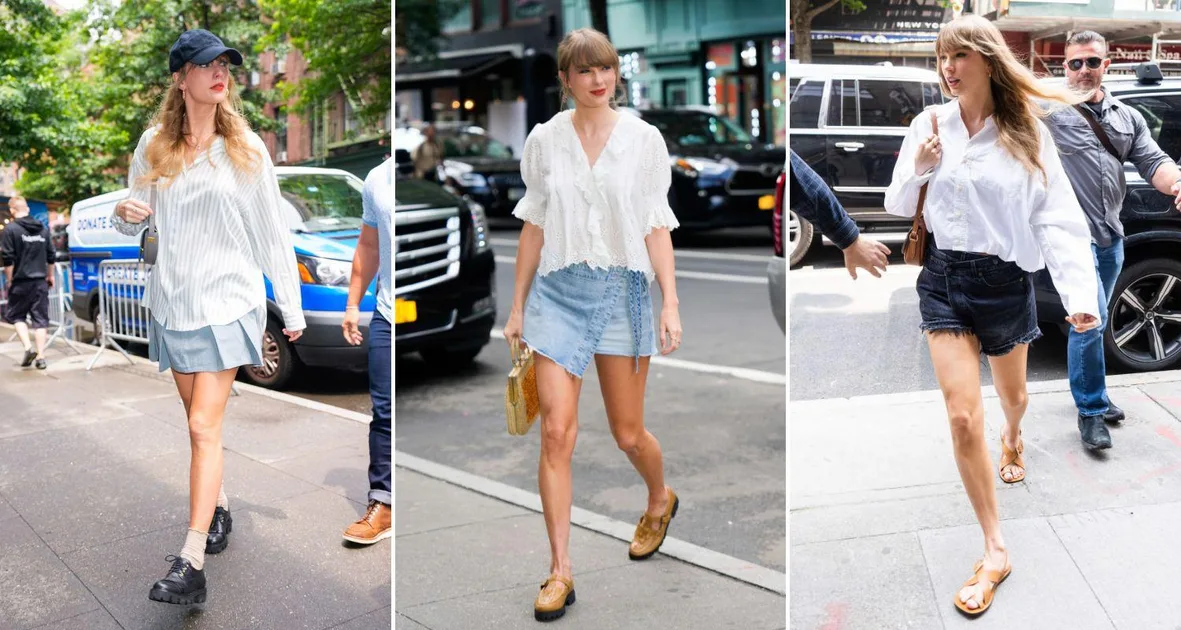
Modern Casualwear Characteristics
Today’s casual fashion has distinct features.
| Feature | Description |
|---|---|
| comfort-first design | soft and wearable |
| neutral color palettes | easy styling |
| relaxed silhouettes | broader appeal |
| scalable styles | repeatable products |
These features make casualwear highly suitable for mass production and global distribution.
Casual Fashion vs Traditional Fashion
This comparison highlights the shift.
| Factor | Casual Fashion | Traditional Fashion |
|---|---|---|
| purpose | everyday wear | formal occasions |
| design | simple | structured |
| lifecycle | long | seasonal |
| demand | consistent | fluctuating |
Casual fashion focuses on function and longevity, while traditional fashion focuses on occasion and trends.
How Manufacturing Has Adapted
The rise of casual fashion has reshaped manufacturing strategies.
Simplified Production Models
Casualwear allows:
- repeatable designs
- faster production cycles
Fabric Innovation
Manufacturers now focus on:
- comfort fabrics
- stretch materials
- durability
Scalable Systems
Factories support:
- low MOQ for startups
- large-scale production for growing brands
Working with experienced manufacturers like Bless Clothing helps brands scale efficiently.
What This Means for Clothing Brands
From my experience, brands should adapt in the following ways:
Focus on Core Products
Build around:
- essentials
- repeatable designs
Invest in Fabric Quality
Fabric is a key differentiator in casualwear.
Build a Consistent Identity
Even simple designs need strong branding.
Plan for Scalability
Choose manufacturers that support growth.
Common Misconceptions
Many brands misunderstand casual fashion.
Misconception 1: Casual Means Basic
Casualwear still requires:
- strong design
- quality execution
Misconception 2: It’s Only a Trend
Casual fashion is a long-term industry shift.
Misconception 3: Easy to Produce
Consistency and quality are still challenging.
FAQ
Why has casual fashion become so popular?
Because it aligns with modern lifestyles focused on comfort and flexibility.
Is casualwear more profitable?
Yes, due to consistent demand and repeat purchases.
What products define casual fashion?
T-shirts, hoodies, joggers, and everyday essentials.
Can new brands compete in casual fashion?
Yes, especially with strong product quality and clear positioning.
Final Thoughts
The evolution of casual fashion reflects a deeper change in how people live and dress.
Brands that understand this shift can benefit from:
- long-term demand
- scalable product lines
- stronger customer loyalty
If you're planning to build or expand a casual clothing brand, explore production solutions at Bless Clothing.
Casual fashion isn’t just growing—it’s redefining the entire apparel industry.