
Minimalist fashion has rapidly become one of the most influential directions in casual clothing. Instead of bold graphics and fast-changing trends, many brands are now focusing on clean design, neutral colors, and long-lasting essentials.
From my experience working with clothing brands and manufacturers, minimalist casualwear is not just a design style—it’s a business strategy. Brands that do it well often achieve higher repeat purchases, stronger brand identity, and more stable product sales.
In this guide, I’ll explain why minimalist casual fashion brands are rising so fast, what defines this style, and how clothing brands can successfully apply it.
Table of Contents
- Quick Answer
- What Is Minimalist Casual Fashion?
- Why Minimalist Brands Are Growing Fast
- Core Characteristics of Minimalist Brands
- Minimalist vs Trend-Driven Fashion
- Popular Minimalist Product Categories
- How Minimalism Impacts Manufacturing
- How Brands Can Build a Minimalist Collection
- Common Mistakes to Avoid
- FAQ
- Final Thoughts
Quick Answer
Minimalist casual fashion brands are growing because they offer:
| Benefit | Impact |
|---|---|
| timeless design | longer product lifecycle |
| versatility | easy everyday styling |
| consistent demand | stable sales |
| strong branding | clear identity |
Many brands work with manufacturers like Bless Clothing to produce minimalist collections that focus on quality and scalability.
What Is Minimalist Casual Fashion?
Minimalist casual fashion focuses on simplicity, functionality, and timeless design.
Key elements include:
- clean silhouettes
- neutral color palettes
- minimal branding
- high-quality materials
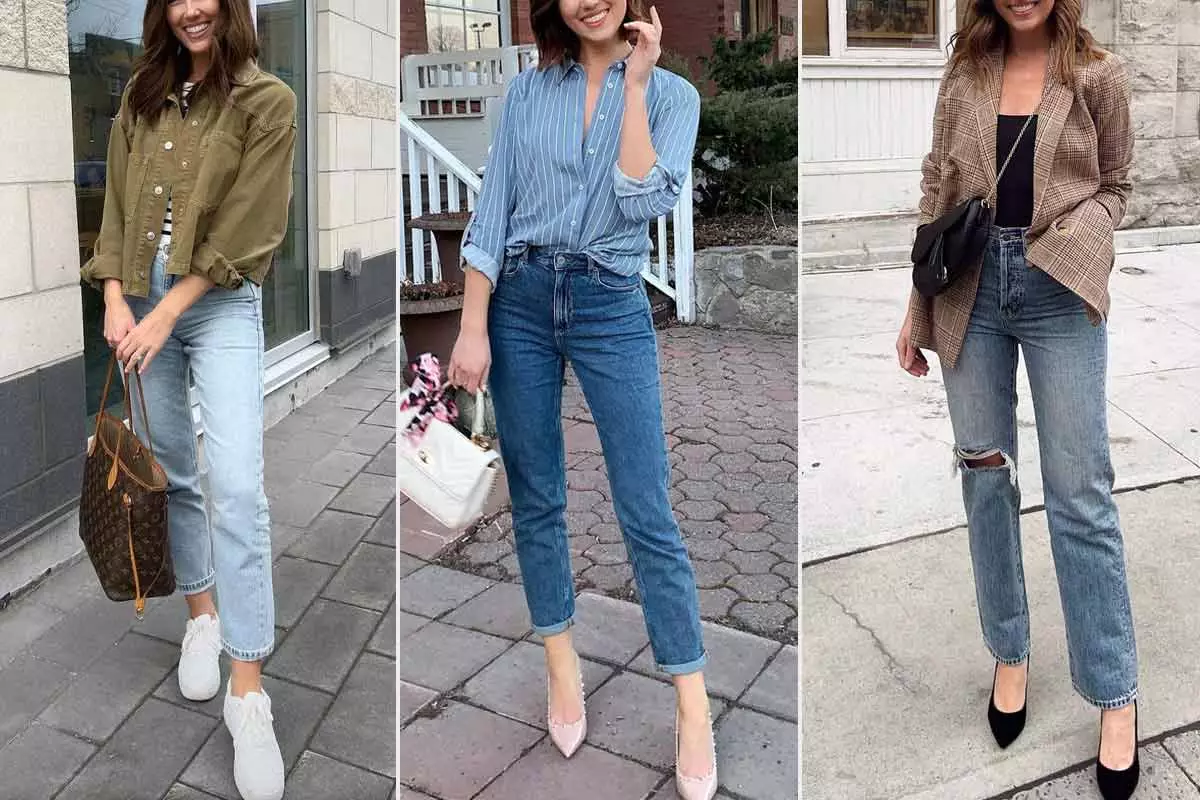
Unlike trend-driven fashion, minimalist clothing is designed to remain relevant across seasons.
Why Minimalist Brands Are Growing Fast
Several factors are driving the rise of minimalist fashion.
Consumer Preference for Simplicity
Modern consumers prefer:
- easy-to-style clothing
- versatile outfits
- clutter-free wardrobes
Shift Toward Quality Over Quantity
Consumers are buying fewer items but expecting:
- better quality
- longer durability
Sustainability Awareness
Minimalist fashion aligns with sustainability by promoting:
- longer product lifecycles
- reduced overconsumption
Organizations like Textile Exchange highlight the importance of sustainable materials in modern fashion.
Stable Product Demand
Minimalist products do not rely on trends, which means:
- fewer unsold items
- easier inventory planning
Core Characteristics of Minimalist Brands
Successful minimalist brands share common features.
| Characteristic | Description |
|---|---|
| neutral colors | black, white, beige, grey |
| simple design | no excessive graphics |
| consistent fit | reliable sizing |
| premium fabrics | focus on comfort and durability |
These characteristics help brands build recognizable and consistent product lines.
Minimalist vs Trend-Driven Fashion
Understanding this difference is important for brand positioning.
| Factor | Minimalist Fashion | Trend-Driven Fashion |
|---|---|---|
| design | simple and timeless | bold and seasonal |
| product lifecycle | long | short |
| inventory risk | lower | higher |
| branding | subtle | expressive |
Minimalist fashion focuses on longevity, while trend-driven fashion focuses on short-term impact.
Popular Minimalist Product Categories
Certain products work especially well in minimalist collections.
| Category | Example |
|---|---|
| tops | plain T-shirts, polos |
| outerwear | clean hoodies, sweatshirts |
| bottoms | simple joggers, trousers |
| essentials | everyday basics |
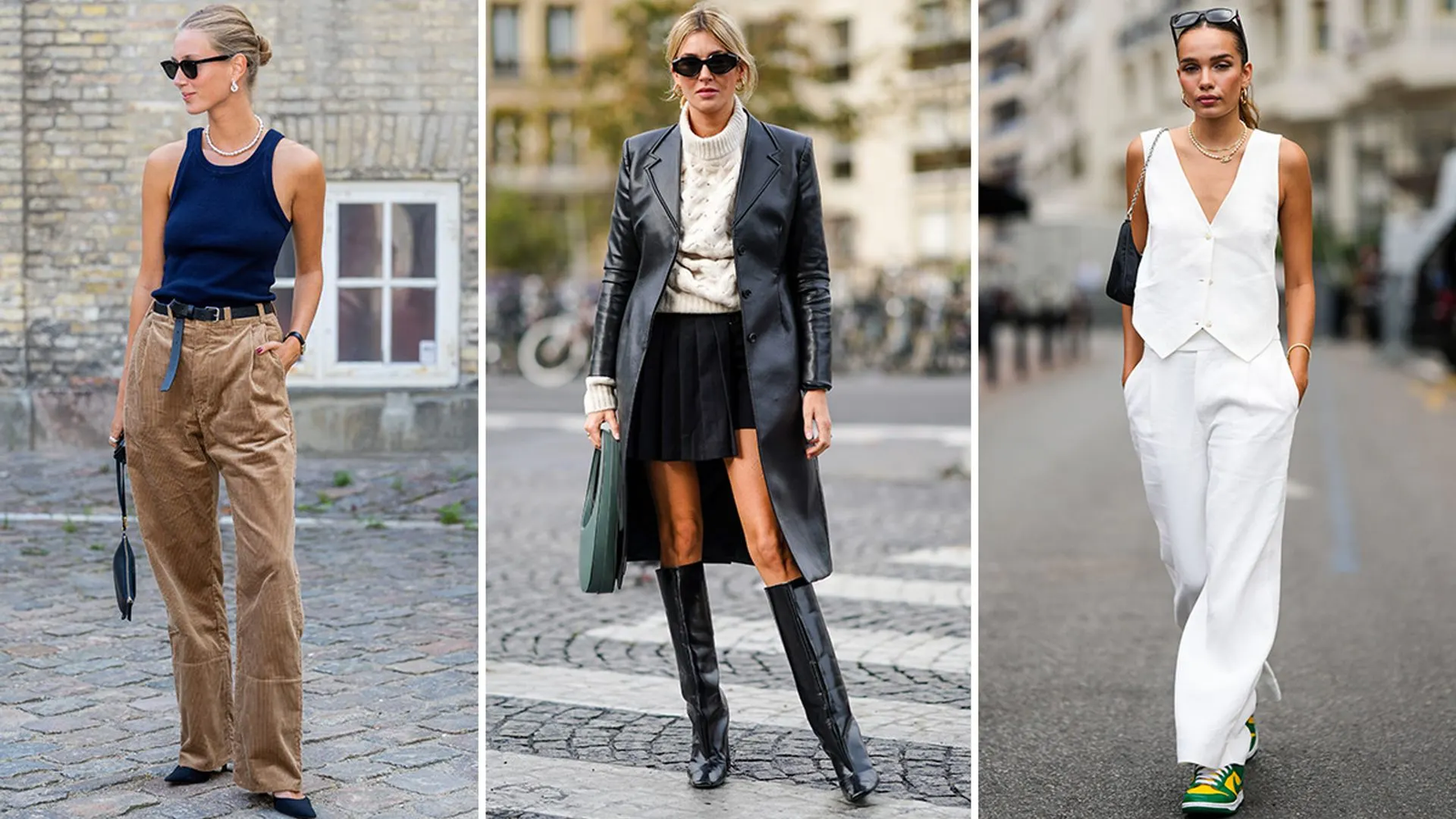
These items form the foundation of many successful casualwear brands.
How Minimalism Impacts Manufacturing
Minimalist fashion also changes how products are manufactured.
Simplified Design
Fewer design elements mean:
- easier production
- fewer errors
Focus on Fabric Quality
Since design is simple, fabric becomes the key differentiator.
Scalable Production
Minimalist products are easier to:
- reproduce
- restock
- scale globally
Manufacturers like Bless Clothing often support brands building scalable minimalist collections.
How Brands Can Build a Minimalist Collection
If you're starting a minimalist clothing brand, focus on these steps.
Step 1: Define Core Products
Start with essentials such as:
- T-shirts
- hoodies
- joggers
Step 2: Choose Neutral Colors
Stick to:
- black
- white
- grey
- beige
Step 3: Prioritize Fabric Quality
High-quality fabrics improve:
- comfort
- durability
- brand perception
Step 4: Work with Reliable Manufacturers
Choose partners that offer:
- consistent quality
- scalable production
- strong communication
Common Mistakes to Avoid
Many brands misunderstand minimalist fashion.
Mistake 1: Confusing Simple with Cheap
Minimalist does not mean low quality—it requires better materials and construction.
Mistake 2: Lack of Brand Identity
Even minimalist brands need a strong visual identity.
Mistake 3: Ignoring Fit Development
Fit is critical because design elements are minimal.
FAQ
What is minimalist fashion?
Minimalist fashion focuses on simple designs, neutral colors, and timeless styles.
Why is minimalist fashion popular?
Because it offers versatility, durability, and aligns with modern lifestyles.
Is minimalist clothing easier to produce?
Yes, but it requires higher quality standards to stand out.
What products work best for minimalist brands?
T-shirts, hoodies, sweatpants, and other basic essentials.
Final Thoughts
Minimalist casual fashion is growing because it meets modern consumer expectations:
- simplicity
- versatility
- quality
- sustainability
For clothing brands, this trend offers a powerful opportunity to build scalable and long-lasting product lines.
If you're planning to launch or expand a minimalist clothing collection, explore manufacturing solutions at Bless Clothing.
Focusing on quality and simplicity can help your brand stand out in today’s competitive fashion market.