
Zara is one of the most recognizable names in fast fashion. But many people ask a common question:
Does Zara actually own other brands?
The answer might surprise you.
Zara itself does not own other brands. Instead, Zara is part of a much larger parent company called Inditex, which owns multiple fashion brands.
From my experience working in apparel and supply chains, this structure is very common. Large fashion groups often operate multiple brands under one company, each targeting a different market segment.
In this guide, I’ll explain what brands are connected to Zara, how the Inditex group works, and how these brands differ from each other.
Table of Contents
- Quick Answer
- Who Owns Zara?
- Brands Owned by Inditex
- How Each Brand Is Positioned
- Zara vs Other Inditex Brands
- Why Fashion Groups Own Multiple Brands
- Who Should Buy Zara vs Other Brands
- FAQ
- Conclusion
Quick Answer
Zara does not own any brands. It is owned by Inditex, which owns several fashion brands.
| Company | Role |
|---|---|
| Inditex | Parent company |
| Zara | One of its main brands |
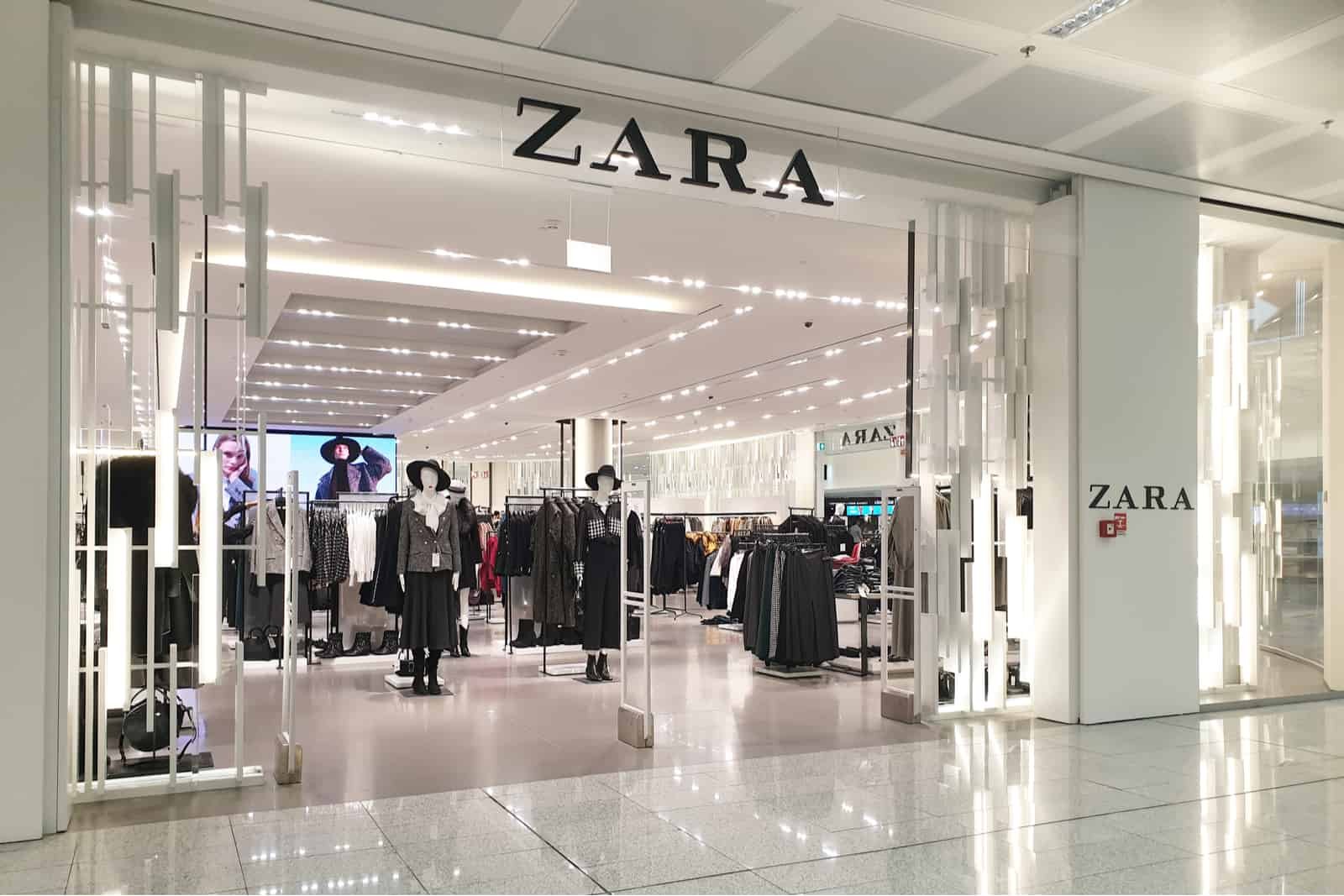
Official Zara site:
Zara
Corporate site:
Inditex
Who Owns Zara?
Zara is owned by Inditex (Industria de Diseño Textil), a Spanish multinational fashion group.
Inditex was founded by Amancio Ortega, one of the most influential figures in the global fashion industry.
Key Facts
| Category | Detail |
|---|---|
| Parent Company | Inditex |
| Founded | 1975 |
| Founder | Amancio Ortega |
| Headquarters | Spain |
Inditex is one of the largest fashion companies in the world.
Brands Owned by Inditex
Inditex owns several well-known fashion brands, each with a different target audience.
Main Inditex Brands
| Brand | Focus |
|---|---|
| Zara | Fast fashion, trend-driven |
| Massimo Dutti | Premium casual |
| Pull & Bear | Youth streetwear |
| Bershka | Trendy, young fashion |
| Stradivarius | Women’s fashion |
| Oysho | Loungewear & activewear |
| Zara Home | Home products |
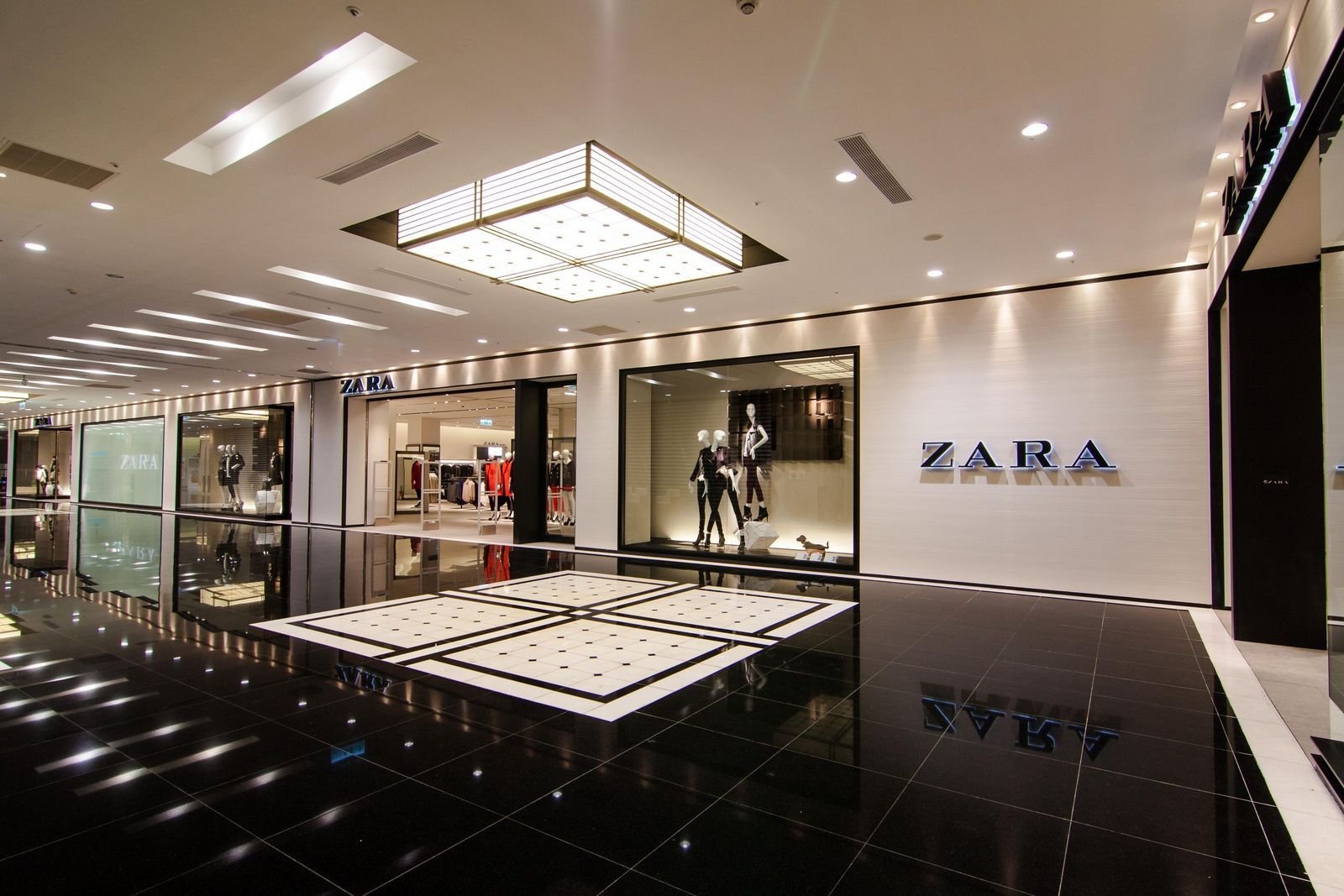
Each brand is designed to serve a specific customer segment.
How Each Brand Is Positioned
Inditex uses a multi-brand strategy to cover different markets.
Positioning Breakdown
| Brand | Price Level | Style |
|---|---|---|
| Zara | Mid-range | Trend-focused |
| Massimo Dutti | Higher | Classic & refined |
| Bershka | Lower | Youth trends |
| Pull & Bear | Lower-mid | Casual streetwear |
This structure allows Inditex to capture a wide range of consumers.
Zara vs Other Inditex Brands
Although Zara is the most famous brand, it is just one part of the group.
| Feature | Zara | Massimo Dutti | Bershka |
|---|---|---|---|
| Style | Trend-driven | Classic | Youth-focused |
| Price | Mid-range | Higher | Lower |
| Audience | Broad | Professionals | Younger consumers |
Zara stands out because it balances fashion trends and accessibility.
Why Fashion Groups Own Multiple Brands
From an industry perspective, owning multiple brands offers several advantages.
Market Segmentation
Different brands target different customers.
Risk Diversification
If one brand slows down, others can continue to perform.
Supply Chain Efficiency
Large groups share:
- factories
- logistics
- sourcing networks
From my experience, this type of structure is very common in global apparel manufacturing. Many companies rely on strong supply chains and production systems to support multiple brands. If you're interested in how clothing brands develop collections and manage manufacturing, you can explore more insights at blessclothing.
Who Should Buy Zara vs Other Brands
Choosing between Zara and other Inditex brands depends on your style and budget.
Choose Zara If You Want
- trend-driven fashion
- fast-changing styles
- mid-range pricing
Choose Other Inditex Brands If You Want
- more classic designs → Massimo Dutti
- youth-focused fashion → Bershka
- casual basics → Pull & Bear
Understanding the differences helps you choose the right brand.
FAQ
Does Zara own any brands?
No. Zara does not own other brands. It is part of Inditex.
What company owns Zara?
Zara is owned by Inditex, a global fashion group.
What brands are similar to Zara?
Brands like H&M, Uniqlo, and Mango operate in a similar fast-fashion space.
Why is Zara so successful?
Zara uses a fast supply chain model that allows it to quickly respond to fashion trends.
Conclusion
Zara itself does not own other brands, but it is part of the Inditex group, which manages a portfolio of fashion brands targeting different markets.
This multi-brand strategy allows Inditex to dominate the global fashion industry by reaching a wide range of consumers.
Understanding how companies like Inditex operate also reveals how modern fashion brands structure production, design, and distribution.
If you're interested in how clothing brands build collections, manage supply chains, and develop products, you can explore more insights at blessclothing.