
I’ve followed “ethical fashion” brands closely for years, and Everlane comes up a lot in conversations about transparency and sustainability. When people ask me, “What is the Everlane controversy, really?” they usually want a clear, no-spin explanation.
Here’s the short answer:
Everlane faced criticism for how its internal practices and messaging matched (or didn’t match) its public claims about ethics, transparency, and worker treatment.
The controversy isn’t about a single mistake—it’s about trust and expectations.
Below is a simple breakdown of what happened, why it mattered, and what it means for shoppers today.
Table of Contents
- Quick Answer
- What Sparked the Everlane Controversy
- Key Issues Explained (Plain English)
- Timeline: What Happened and When
- How Everlane Responded
- What This Means for Shoppers
- What Brands Can Learn
- FAQ
- Final Take
Quick Answer
The Everlane controversy centers on labor practices, workplace culture, and whether the brand lived up to its “radical transparency” promise.
Customers expected Everlane to be:
- Ethical
- Worker-friendly
- Fully transparent

Critics argued the brand didn’t always meet those standards internally.
What Sparked the Everlane Controversy
Everlane built its brand on “radical transparency”—open pricing, factory disclosures, and ethical sourcing claims.
The controversy emerged when:
- Former employees raised concerns about workplace culture
- Reports questioned whether internal labor practices matched the brand’s values
- The gap between marketing and reality became a public conversation
This clash between brand promise vs. internal reality triggered scrutiny.
Key Issues Explained (Plain English)
1. Workplace Culture
Critics alleged issues around:
- How employees were treated
- Whether internal policies aligned with public ethics messaging
2. Transparency Claims
While Everlane published factory information, some critics felt:
- Transparency was selective
- Not all operational practices were equally open
3. Ethical Branding Expectations
Everlane set a high bar by marketing itself as “ethical.”
When expectations are high, public disappointment is stronger when inconsistencies appear.
Timeline: What Happened and When
| Phase | What Happened |
|---|---|
| Brand growth | Everlane gains trust with transparency messaging |
| Employee feedback | Internal concerns surface publicly |
| Public scrutiny | Media and consumers question ethics claims |
| Brand response | Everlane acknowledges issues and promises changes |
How Everlane Responded
Everlane stated intentions to:
- Improve internal practices
- Re-evaluate how transparency is communicated
- Address cultural concerns
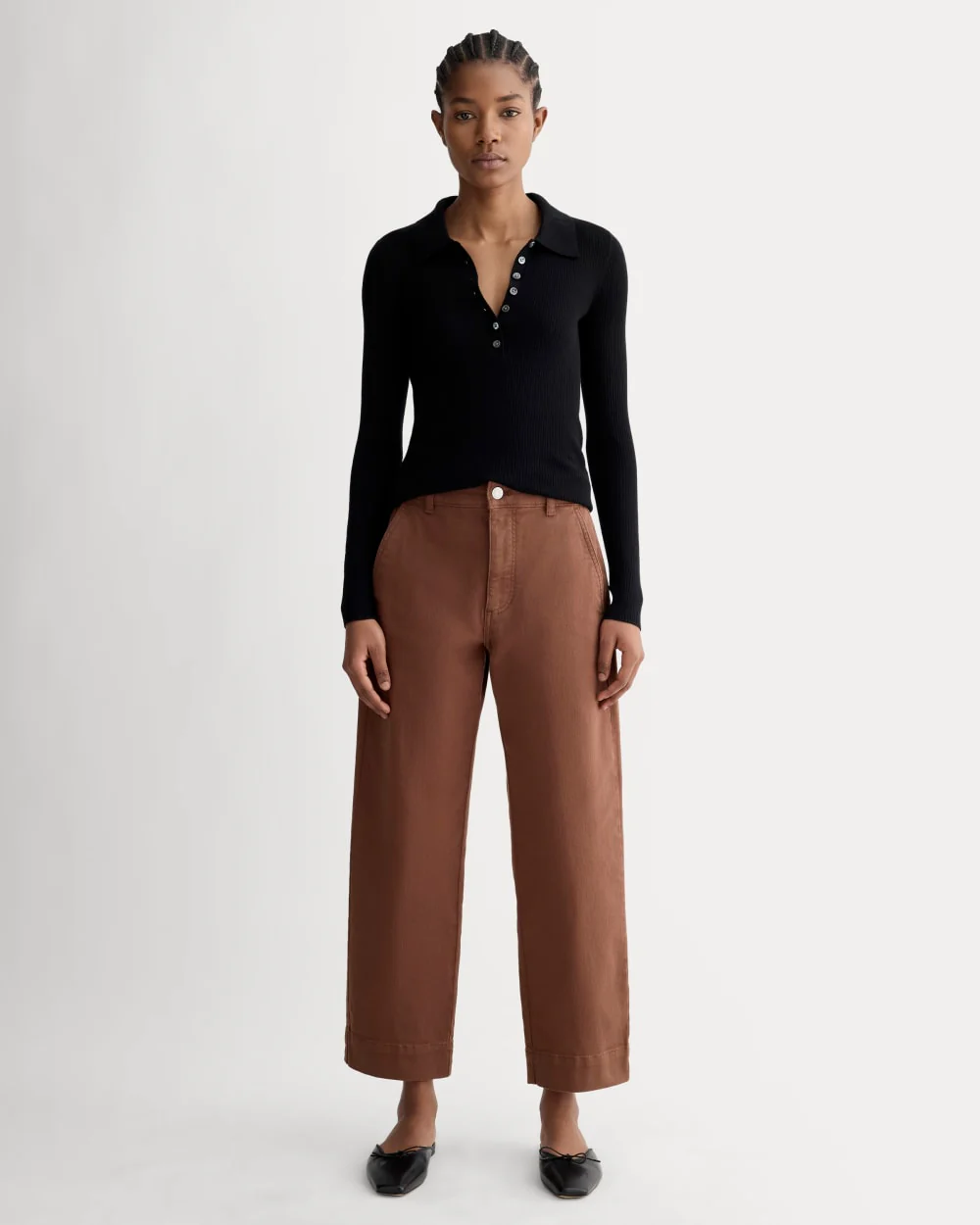
The brand has continued to operate and sell products, but the controversy reshaped how some customers view its “ethical” positioning.
What This Means for Shoppers
If you’re deciding whether to buy Everlane today:
Consider Everlane if you:
- Like minimalist basics
- Value design and fit
- Want mid-range pricing
Pause if you:
- Expect perfect ethical alignment
- Want full supply-chain transparency
- Prefer brands with quieter marketing claims
Your decision depends on how much weight you place on brand ethics vs. product value.
What Brands Can Learn
The Everlane controversy highlights:
- Ethical branding raises expectations
- Internal culture must match public messaging
- Transparency claims invite scrutiny
- Trust is harder to rebuild than to gain
For private-label brands and manufacturers building “ethical” narratives, aligning operations with marketing is critical.
If you’re researching how apparel brands position ethics and transparency in the supply chain, see:
👉 blessclothing
FAQ
Did Everlane break any laws?
The controversy focused on culture and transparency expectations, not legal violations.
Is Everlane still in business?
Yes. Everlane continues to operate and sell globally.
Is Everlane still considered ethical?
Perception varies. Some customers remain loyal; others are more skeptical.
Should I avoid Everlane because of the controversy?
That depends on how much you prioritize brand ethics versus product design and price.
Final Take
The Everlane controversy isn’t about one scandal—it’s about the gap between promise and practice.
Everlane set high expectations with “radical transparency.”
When internal issues surfaced, public trust was tested.