
I first noticed Buck Mason when “premium basics” started popping up everywhere online. After following the brand’s growth—and wearing a few of their tees myself—the question I hear most is: “What’s the story behind Buck Mason, and why did it take off?”
Here’s the short version:
Buck Mason started as a response to how hard it was to find a truly great everyday T-shirt.
Two founders wanted simple, well-fitting basics that felt better than mass-market tees—without luxury pricing. That clear problem-solution story is a big reason the brand stuck.
Below is the full story, in plain English.
Table of Contents
- Quick Answer
- How Buck Mason Started
- The Problem the Founders Were Solving
- How Buck Mason Grew
- What Makes Buck Mason Different
- Buck Mason Today
- Lessons for New Clothing Brands
- FAQ
- Final Take
Quick Answer
Buck Mason began as a simple mission: make better everyday basics that people actually want to wear daily.
The brand grew by:
- Focusing on one product category first (T-shirts)
- Selling direct-to-consumer
- Building a story around fit, fabric feel, and simplicity
How Buck Mason Started
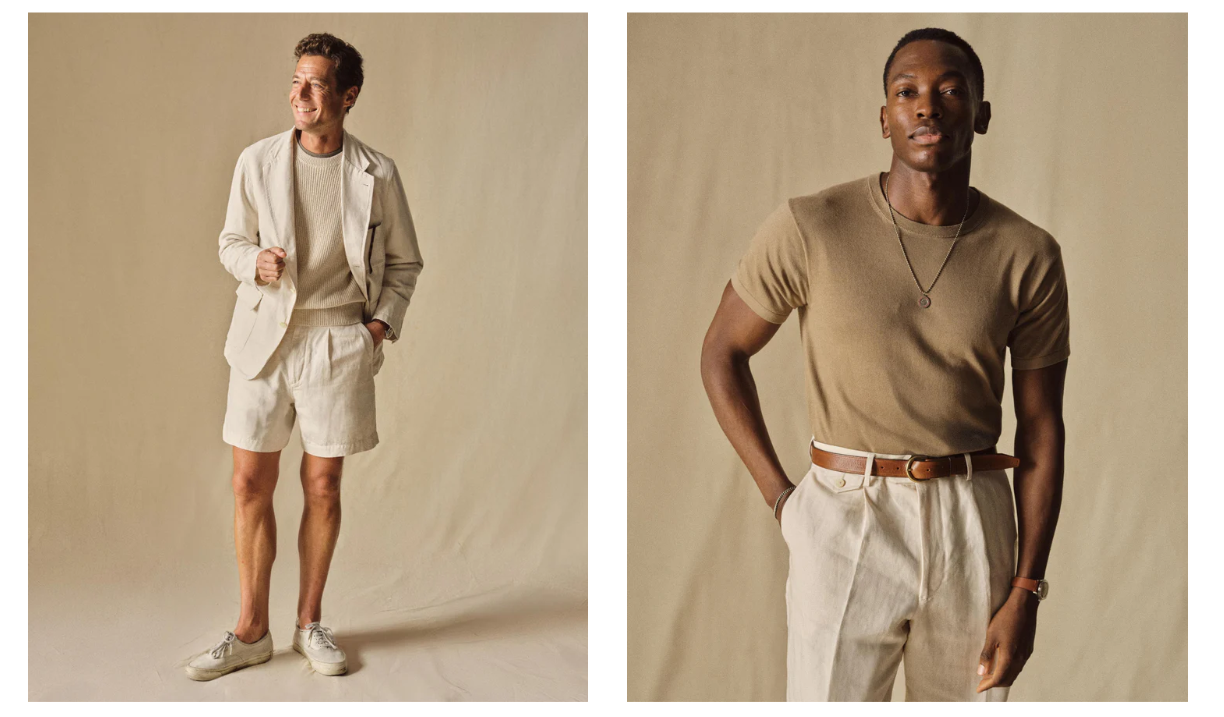
Buck Mason was founded by two friends who were frustrated with how disposable most basic tees felt.
They didn’t set out to build a fashion brand.
They wanted to solve a personal problem:
“Why do most everyday T-shirts lose shape, feel cheap, or fit weirdly after a few washes?”
So they:
- Tested different fabrics
- Refined fit through repeated sampling
- Focused on comfort and durability over trends
The Problem the Founders Were Solving
At the time, shoppers had two main choices:
- Cheap basics that didn’t last
- Expensive fashion tees that felt overkill
Buck Mason aimed to sit in the middle:
- Better quality than mass market
- More affordable than luxury
- Designed for daily wear
That middle-ground positioning filled a real gap.
How Buck Mason Grew
Buck Mason’s growth came from a few smart moves:
| Growth Lever | Why It Worked |
|---|---|
| Direct-to-consumer | Controlled pricing and brand story |
| Product focus | Mastered one category before expanding |
| Clean branding | Easy to understand |
| Early media exposure | Built trust quickly |
| Retail expansion | Reached offline shoppers |
The brand later expanded beyond tees into casual shirts, outerwear, and everyday wardrobe staples.
What Makes Buck Mason Different
Buck Mason didn’t win by being trendy. It won by being reliable:
- Consistent fit
- Comfortable fabrics
- Minimalist design
- Clear brand promise
That reliability is what turns first-time buyers into repeat customers.
Buck Mason Today
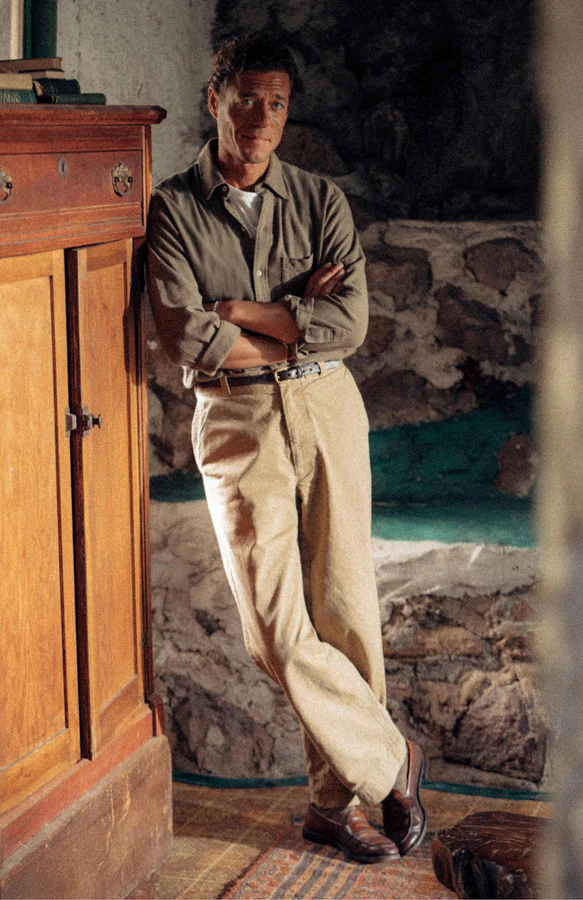
Today, Buck Mason is a recognizable premium basics label:
- Strong online presence
- Physical retail stores
- Broader product range
- Stable customer base
It’s no longer a startup experiment—it’s a mature DTC brand.
Lessons for New Clothing Brands
From a brand-building and manufacturing perspective, Buck Mason’s story shows:
- Solve a real personal pain point
- Start narrow before expanding
- Make fit and fabric your differentiators
- Build a simple, repeatable brand promise
Many private-label brands aim to follow this path:
start with one hero product, then build a lifestyle around it.
If you’re studying how new apparel brands build credibility, see:
👉 blessclothing
FAQ
Was Buck Mason on Shark Tank?
Yes. Early exposure helped brand awareness.
Is Buck Mason still independent?
The brand operates as a modern DTC apparel company.
Did Buck Mason start with more than T-shirts?
No. T-shirts were the core entry product.
Why did Buck Mason grow so fast?
Clear positioning + repeat-purchase products.
Final Take
The story behind Buck Mason is simple: build better basics, then build a brand around everyday trust.
It didn’t win by being flashy.
It won by being consistent—and that’s why it lasted.