
Buying a T-shirt or hoodie sounds simple — until you realize some lose shape after three washes while others stay sharp for years.
After working closely with casualwear production and fabric development, I’ve learned this:
Most people judge by color and design.
Professionals judge by structure, fabric weight, and construction.
If you understand what to check before buying, you’ll stop wasting money on low-quality basics.
This guide will show you exactly what to look for.
Table of Contents
- Quick Answer Checklist
- Fabric: The Foundation of Quality
- Fit & Silhouette: Why Shape Matters
- Construction & Stitching Details
- T-Shirt Buying Guide
- Hoodie Buying Guide
- Fabric Weight Comparison Table
- Use Case Recommendations
- Common Buying Mistakes
- FAQ
- Final Thoughts
Quick Answer Checklist
Before buying a T-shirt or hoodie, check:
✔ Fabric composition
✔ GSM (fabric weight)
✔ Stitching quality
✔ Collar structure
✔ Shape recovery after stretch
✔ Shrinkage risk
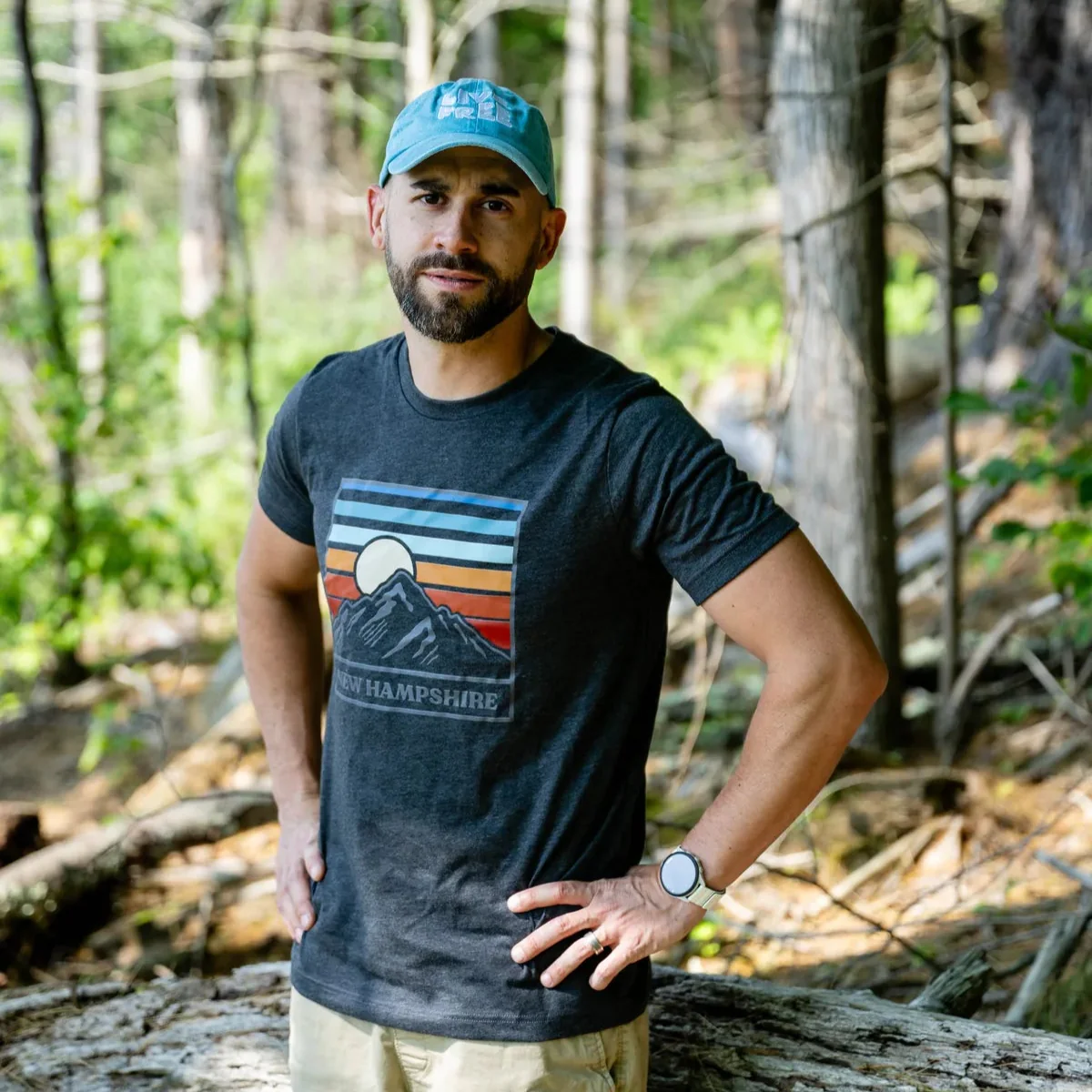
If a brand doesn’t provide fabric details, that’s usually a red flag.
Fabric: The Foundation of Quality
Fabric determines:
- Comfort
- Breathability
- Durability
- Wash performance
For T-Shirts
Best balance:
- 100% cotton (180–240 GSM)
- Cotton-poly blend for travel use
Brands like :contentReference[oaicite:0]{index=0} often use engineered blends to improve shape retention.
For Hoodies
Look for:
- French terry (loopback interior)
- 300–400 GSM for structure
- Brushed fleece for softer feel
Low-GSM hoodies often feel soft but collapse over time.
If you’re browsing structured everyday basics, modern casual collections at Bless Clothing focus heavily on midweight durability rather than ultra-thin fashion fabric.
Fit & Silhouette: Why Shape Matters
Fit determines 70% of how premium your outfit looks.
T-Shirt Fit Checklist
- Shoulder seam aligned with shoulder edge
- Sleeves slightly fitted (not flared)
- Length ends mid-zipper area
Hoodie Fit Checklist
- Structured shoulder line
- Hood holds shape (not flat)
- Rib cuffs snap back after stretching
Oversized can work — but it must be intentional, not sloppy.
Construction & Stitching Details
This is where cheap garments fail.
Look closely at:
Collar (T-Shirts)
- Rib collar should feel firm
- Double stitching preferred
- Collar should not ripple
Seams
- Straight stitching
- No loose threads
- Reinforced stress points (underarm, shoulders)
Hoodie Specific
- Double-layer hood
- Durable drawstrings
- Kangaroo pocket stitching strength
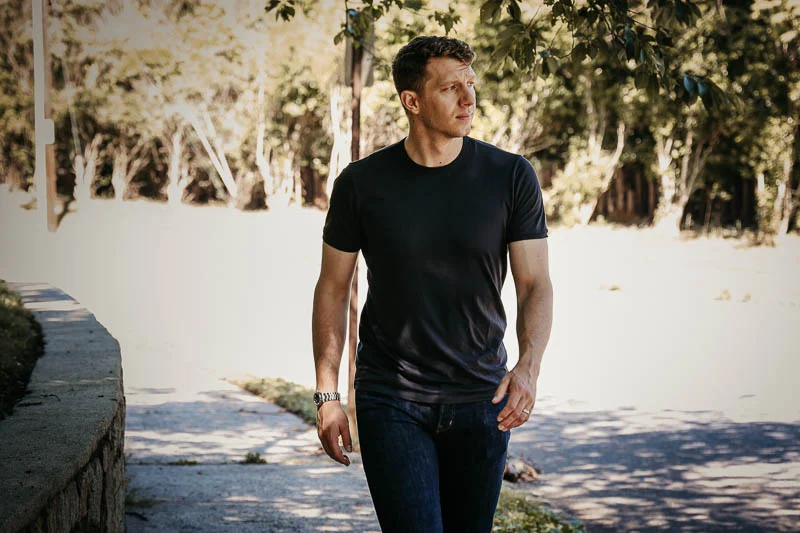
Brands like :contentReference[oaicite:1]{index=1} often highlight construction transparency as part of their value proposition.
T-Shirt Buying Guide
Ideal Specs for Everyday T-Shirts
| Feature | Recommended Standard |
|---|---|
| Fabric | 100% Cotton or Blend |
| Weight | 180–240 GSM |
| Fit | Relaxed or Tailored |
| Collar | Reinforced rib |
| Shrinkage | Pre-washed preferred |
Avoid:
- Ultra-thin cotton (<150 GSM)
- Loose collar ribbing
- Uneven hem stitching
Hoodie Buying Guide
Ideal Specs for Everyday Hoodies
| Feature | Recommended Standard |
|---|---|
| Fabric | French Terry or Fleece |
| Weight | 300–400 GSM |
| Hood | Double-layer |
| Cuffs | Strong rib recovery |
| Fit | Structured relaxed |
Avoid:
- Flat hoods
- Thin cuffs
- Overly stretchy fabric without recovery
Fabric Weight Comparison Table
| GSM Range | Feel | Best Use |
|---|---|---|
| 120–150 | Lightweight | Layering |
| 160–180 | Standard | Basic tees |
| 180–240 | Premium everyday | Long-term wear |
| 300+ | Hoodie structure | Fall/Winter |
GSM (grams per square meter) is one of the most important hidden indicators of quality.
Use Case Recommendations
For Travel
- Cotton-poly blend
- Midweight fabric
- Wrinkle-resistant
For Work-from-Home
- Soft French terry
- Relaxed silhouette
For Social Weekends
- Heavyweight tee
- Structured hoodie
- Neutral color palette
If you're building a rotation-based casual wardrobe, focus on neutral essentials that mix easily. Structured basics can be explored at Bless Clothing for everyday layering systems.
Common Buying Mistakes
- Choosing softness over durability
- Ignoring fabric weight
- Buying oversized without structure
- Ignoring collar quality
- Not checking shrinkage risk
The biggest mistake?
Buying based only on price.
FAQ
What is the best fabric for everyday T-shirts?
Midweight cotton (180–220 GSM) offers the best comfort-to-durability balance.
How heavy should a good hoodie be?
At least 300 GSM for proper structure.
Are expensive T-shirts worth it?
Only if:
- Fabric weight is solid
- Construction is reinforced
- Shape recovery is strong
Why do cheap hoodies twist after washing?
Low-quality knitting tension or improper fabric finishing.
Final Thoughts
Everyday basics should:
- Hold their shape
- Feel comfortable
- Survive frequent washing
- Match multiple outfits
When you check fabric, construction, and fit — you eliminate 80% of poor-quality options instantly.
If you're exploring well-structured everyday essentials designed for long-term wear, you can browse Bless Clothing for modern casual collections focused on durability and balance.