
Zara is one of the biggest fashion brands in the world, known for its fast-changing collections and global presence. But many people still ask:
Who actually owns Zara?
The answer is simple but important for understanding how the brand operates.
Zara is owned by Inditex, a global fashion group founded by Amancio Ortega.
From my experience in the apparel industry, Zara’s success is not just about design—it’s heavily driven by its ownership structure, supply chain control, and business model.
In this guide, I’ll explain who owns Zara, how ownership works, and why it plays a key role in Zara’s global success.
Table of Contents
- Quick Answer
- Who Owns Zara Today?
- Who Founded Zara?
- What Is Inditex?
- Zara Ownership Structure Explained
- Why Zara’s Ownership Matters
- Zara vs Other Fashion Brands Ownership
- FAQ
- Conclusion
Quick Answer
Zara is owned by Inditex (Industria de Diseño Textil).
| Brand | Owner | Founded |
|---|---|---|
| Zara | Inditex | 1975 |
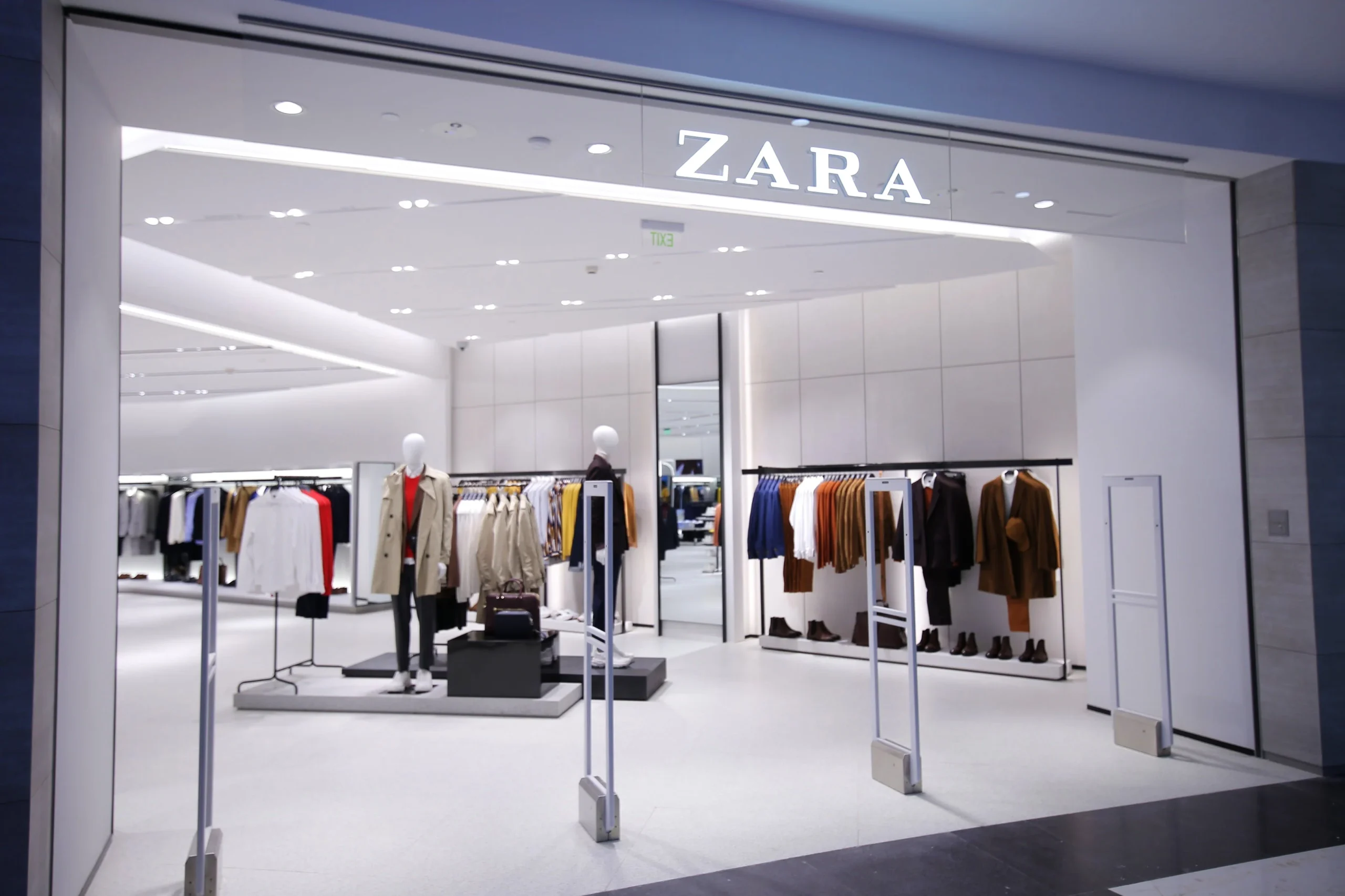
Inditex is one of the largest fashion companies in the world.
Who Owns Zara Today?
Zara is part of Inditex, a multinational fashion group based in Spain.
Inditex owns several well-known brands, including:
- Zara
- Massimo Dutti
- Pull & Bear
- Bershka
- Stradivarius
This means Zara is not an independent company—it is part of a larger brand ecosystem.
Who Founded Zara?
Zara was founded by Amancio Ortega in 1975 in Spain.
Key Facts About the Founder
| Name | Role |
|---|---|
| Amancio Ortega | Founder of Zara & Inditex |
Ortega is one of the most influential figures in the fashion industry and was once among the richest people in the world.
Even today, he remains a major shareholder in Inditex.
What Is Inditex?
Inditex (Industria de Diseño Textil) is the parent company behind Zara.
About Inditex
| Category | Detail |
|---|---|
| Company Type | Fashion group |
| Headquarters | Spain |
| Business Model | Multi-brand retail |
Inditex operates a global supply chain system that allows Zara to quickly produce and distribute new designs.
Zara Ownership Structure Explained
Zara’s ownership is structured through Inditex.
Simplified Structure
| Level | Entity |
|---|---|
| Founder | Amancio Ortega |
| Parent Company | Inditex |
| Brand | Zara |
This structure allows Zara to benefit from:
- shared production systems
- centralized logistics
- global retail networks
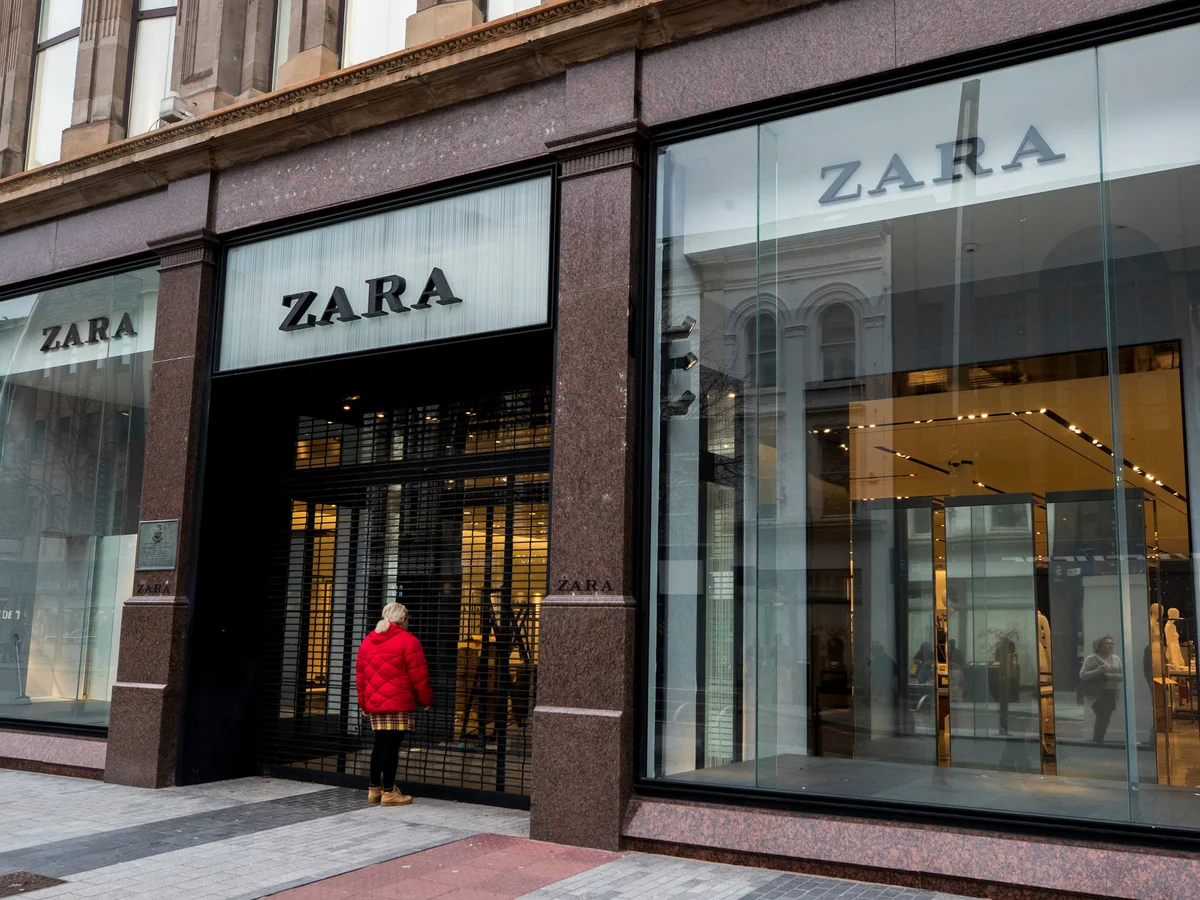
From my experience, this type of structure is one of the main reasons Zara can move faster than many competitors.
Why Zara’s Ownership Matters
Ownership is not just a business detail—it directly affects how Zara operates.
Key Advantages
| Advantage | Impact |
|---|---|
| Centralized control | Faster decision-making |
| Integrated supply chain | Quick product turnaround |
| Multi-brand strategy | Broader market coverage |
Zara’s ownership under Inditex enables its famous fast fashion model, where products move from design to store in weeks.
Zara vs Other Fashion Brands Ownership
Comparing Zara’s ownership with other brands helps explain its strategy.
| Brand | Ownership Model |
|---|---|
| Zara | Owned by Inditex |
| H&M | Public company |
| Uniqlo | Owned by Fast Retailing |
| Nike | Public corporation |
Each structure affects how brands manage production, growth, and global expansion.
Many fashion companies today rely on strong supply chains and manufacturing systems to stay competitive. If you're interested in how clothing brands develop collections and manage production, you can explore more insights at blessclothing.
FAQ
Who owns Zara right now?
Zara is owned by Inditex, a global fashion group.
Is Zara owned by one person?
No. Zara is part of Inditex, which is a publicly traded company, though Amancio Ortega remains a major shareholder.
What company owns Zara?
The parent company is Inditex.
Why is Zara so successful?
Its success comes from fast production, efficient supply chains, and strong brand positioning.
Conclusion
Zara is owned by Inditex, a global fashion group founded by Amancio Ortega.
This ownership structure is a key reason behind Zara’s success, enabling it to operate one of the fastest and most efficient fashion supply chains in the world.
Understanding how Zara is owned also helps explain how modern fashion brands grow, scale, and compete globally.
If you're interested in how clothing brands build collections, manage production, and develop strong supply chains, you can explore more insights at blessclothing.