If you’ve followed global fashion news, you may have seen headlines about:
“Koreans boycotting UNIQLO”
So what actually happened?
The short answer is:
The boycott was largely driven by political and historical tensions between South Korea and Japan, not just the brand itself.
From my perspective in the apparel industry, this situation shows how geopolitics, brand perception, and consumer sentiment can directly impact fashion businesses—even when the product itself hasn’t changed.
In this article, I’ll explain why the boycott happened, what triggered it, and what brands can learn from it.
Table of Contents
- Quick Answer
- What Triggered the UNIQLO Boycott?
- Historical Context Between Korea and Japan
- How UNIQLO Became a Target
- Impact on UNIQLO’s Business
- Lessons for Global Clothing Brands
- Is UNIQLO Still Boycotted Today?
- FAQ
- Conclusion
Quick Answer
Koreans boycotted UNIQLO mainly due to political tensions and historical disputes between South Korea and Japan.
It was part of a broader movement against Japanese products—not only UNIQLO.
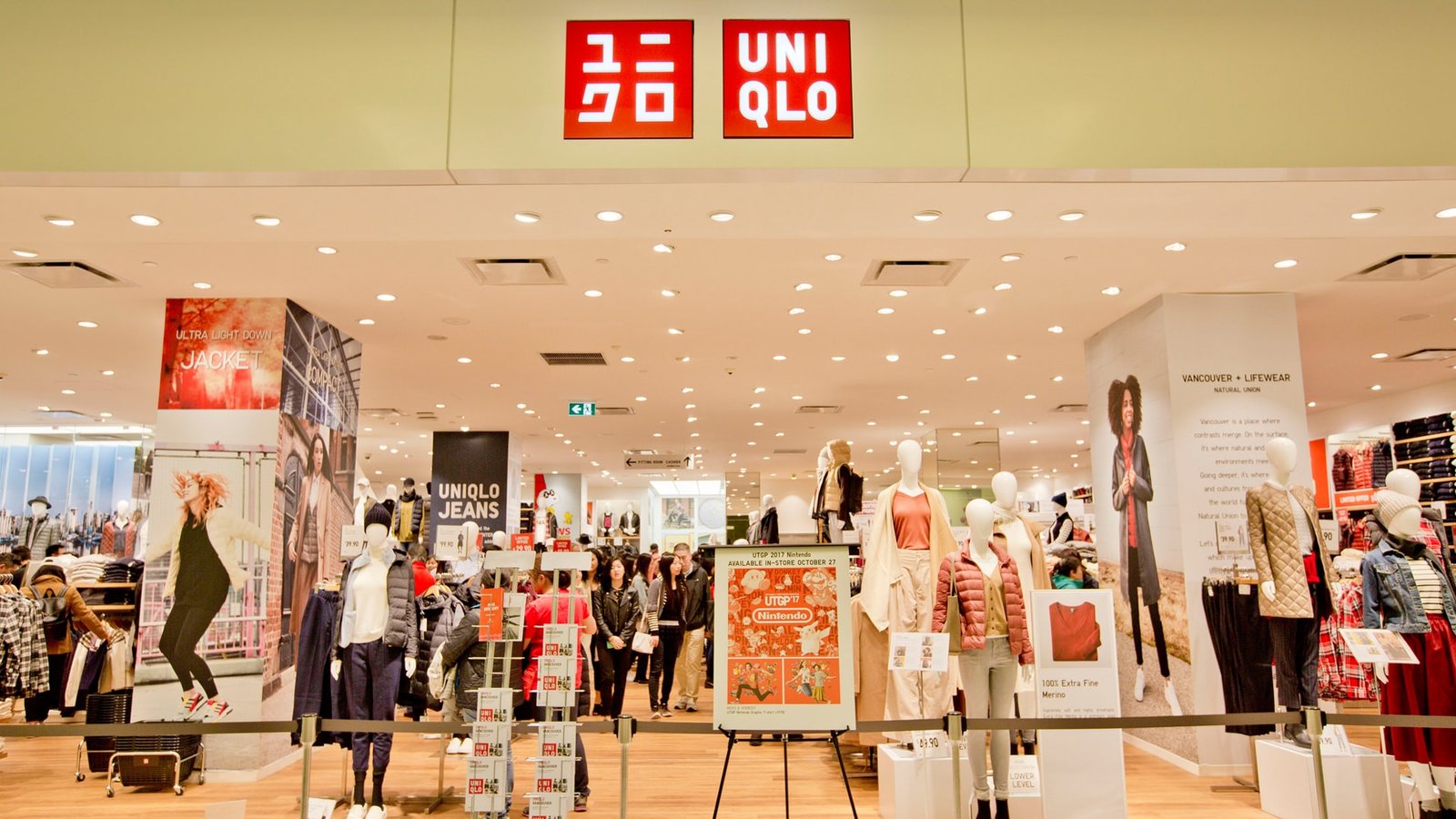
Official brand site:
UNIQLO
What Triggered the UNIQLO Boycott?
The boycott escalated around 2019.
Key Trigger
- trade restrictions between Japan and South Korea
- rising political tensions
- public backlash against Japanese brands
👉 The movement became known as a consumer boycott of Japanese goods.
Historical Context Between Korea and Japan
To understand the boycott, you need context.
Background Factors
| Factor | Explanation |
|---|---|
| Historical conflict | Issues dating back to early 20th century |
| Political disputes | Ongoing diplomatic tensions |
| Public sentiment | Strong national awareness |
This created an environment where consumers were more likely to take action.
How UNIQLO Became a Target
UNIQLO wasn’t the only brand affected—but it became one of the most visible.
Reasons
| Reason | Explanation |
|---|---|
| Strong presence in Korea | Many stores nationwide |
| Japanese identity | Clearly associated with Japan |
| Media attention | Widely reported |
👉 Because UNIQLO is a well-known Japanese brand, it became a symbolic target.
Impact on UNIQLO’s Business
The boycott had measurable effects.
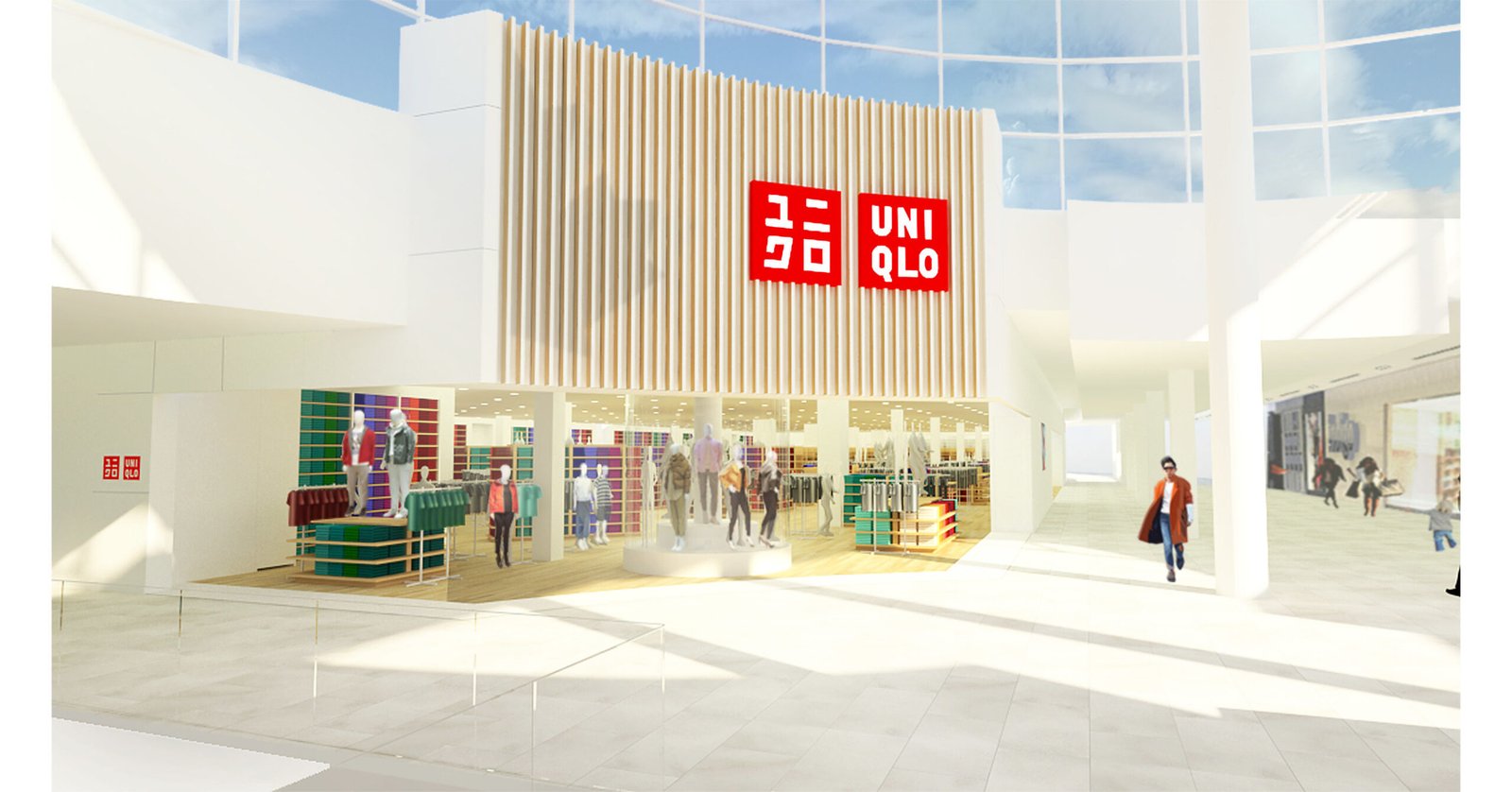
Business Impact
- store closures in South Korea
- declining sales
- reduced brand visibility
From an industry perspective, this shows how external factors can influence even strong global brands.
Lessons for Global Clothing Brands
This situation offers important insights.
Key Takeaways
| Lesson | Meaning |
|---|---|
| Brand perception matters | Identity affects risk |
| Local markets are sensitive | Cultural context is critical |
| Diversification is important | Avoid over-reliance on one region |
👉 For brands and manufacturers, this highlights the importance of risk management and global strategy.
Is UNIQLO Still Boycotted Today?
The intensity of the boycott has decreased over time.
Current Situation
- consumer behavior has stabilized
- stores continue to operate
- brand perception is improving
However, the event remains a case study in brand vulnerability.
FAQ
Why did Koreans boycott UNIQLO?
Due to political tensions and historical disputes with Japan.
Was UNIQLO the only brand affected?
No. Many Japanese brands were included.
Did the boycott affect UNIQLO?
Yes, especially in sales and store operations.
Is UNIQLO still popular in Korea?
It has recovered somewhat, but the impact is still remembered.
Conclusion
The boycott of UNIQLO in South Korea was not just about clothing—it was about history, politics, and national sentiment.
For anyone in the apparel industry, this is a powerful reminder that brand success depends on more than just product quality—it also depends on perception and context.
If you want to understand how global clothing brands manage risk, build resilience, and adapt to different markets, you can explore more insights here:
blessclothing