
I’m often asked, “Why does Vineyard Vines cost so much for casual, preppy clothes?”
After working with apparel brands and reviewing how pricing is built—from fabric to retail margins—the short answer is this:
Vineyard Vines feels expensive because you’re paying for lifestyle branding, controlled distribution, and premium positioning—not luxury craftsmanship.
Below is a clear, no-jargon breakdown of what actually drives the price, and whether it’s worth it for you.
Table of Contents
- Quick Answer
- What You’re Really Paying For
- Brand Positioning vs Fabric Cost
- Vineyard Vines vs Comparable Brands
- When Vineyard Vines Is Worth the Price
- When It’s Probably Not
- What Brands Can Learn from Vineyard Vines
- FAQ
- Final Verdict
Quick Answer
Vineyard Vines is expensive because it’s priced as a premium lifestyle brand.
Key drivers:
- Strong preppy/coastal brand identity
- Mid-to-upper pricing strategy (not luxury)
- Consistent retail experience
- Marketing and distribution costs
- Perceived value over raw material value
You’re paying for how it makes you feel—not just the cotton.
What You’re Really Paying For
From an industry perspective, Vineyard Vines’ pricing is built on five pillars:
1. Lifestyle Branding
Vineyard Vines doesn’t sell garments—it sells a coastal, preppy lifestyle.
That identity allows higher price points than basic mall brands.
2. Controlled Distribution
Products are sold mainly through:
- Brand-owned stores
- Official website
- Limited partners
Less discount-driven distribution = higher average prices.
3. Consistent Retail Experience
Premium stores, seasonal collections, and polished visuals all add cost—and justify pricing psychologically.
4. Marketing & Recognition
You’re paying for:
- Brand recognition
- Collegiate/preppy association
- Event sponsorships and collaborations
These costs don’t improve fabric—but they raise perceived value.
5. Moderate Quality Uplift
Quality is better than budget brands, but not luxury-level:
- Decent fabrics
- Comfortable construction
- Average durability

It’s premium-feeling, not artisanal.
Brand Positioning vs Fabric Cost
This is the key distinction most shoppers miss.
| Cost Component | Impact on Price |
|---|---|
| Fabric & trims | Medium |
| Construction | Medium |
| Branding & marketing | High |
| Retail & staffing | High |
| Exclusivity perception | High |
Vineyard Vines prices for identity, not manufacturing complexity.
Vineyard Vines vs Comparable Brands
| Brand | Typical Price Range (USD) | Why It Costs What It Does |
|---|---|---|
| Old Navy | $8–$40 | Scale & cost efficiency |
| Gap | $25–$90 | Casual staples |
| J.Crew | $30–$150 | Polished everyday wear |
| Vineyard Vines | $40–$200 | Lifestyle & preppy identity |
| Luxury brands | $300+ | Craft + exclusivity |
Vineyard Vines sits above basics, below luxury—priced for aspiration.
When Vineyard Vines Is Worth the Price
Vineyard Vines makes sense if you:
- Love preppy, relaxed American style
- Want recognizable branding without luxury prices
- Shop for weekends, golf, travel, or casual social wear
- Value comfort and identity over trend cycles
In these cases, the emotional return justifies the cost.
When It’s Probably Not
It may not be worth it if you:
- Care most about fabric durability
- Prefer minimalist or trend-driven fashion
- Expect luxury-level craftsmanship
- Shop strictly by cost-per-wear
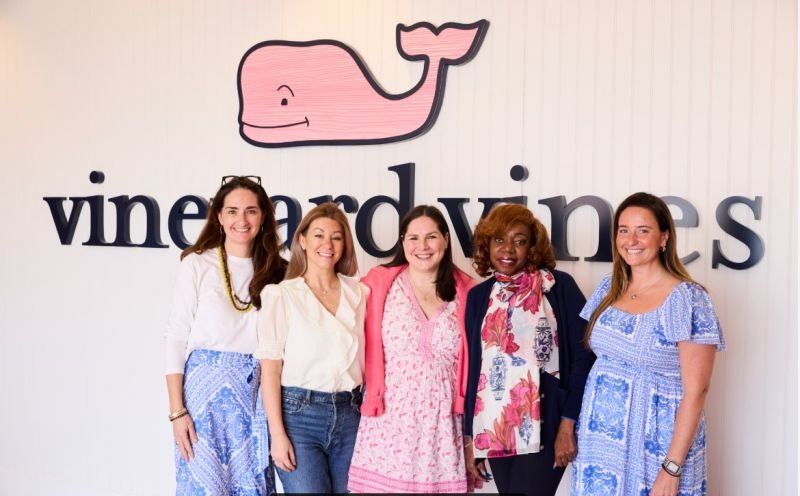
You can often get similar quality for less—without the whale logo.
What Brands Can Learn from Vineyard Vines
From a manufacturing and branding standpoint, Vineyard Vines proves that:
- Lifestyle positioning can command premium prices
- Recognition often matters more than materials
- Consistency beats complexity
- Perception is a powerful pricing tool
Many modern private-label brands aim for this same sweet spot:
premium feel, accessible price, strong identity.
If you’re exploring how emerging brands approach this balance, see:
👉 blessclothing
FAQ
Is Vineyard Vines luxury?
No. It’s premium lifestyle, not luxury.
Is Vineyard Vines overpriced?
Only if you judge by materials alone. By branding standards, it’s priced as intended.
Is Vineyard Vines better quality than J.Crew?
Quality is comparable; J.Crew often offers more structured tailoring.
Why does it feel more expensive than Gap?
Because branding and lifestyle positioning raise perceived value.
Final Verdict
Vineyard Vines is expensive because it sells identity, not just clothing.
You’re paying for:
- Preppy recognition
- Lifestyle alignment
- Comfortable, casual premium wear
If that identity matters to you, the price makes sense.
If not, you’re better off spending less—or spending more for true luxury.